
Topic Battle

Where Everything Fights Everything

Dog

Dog

Loyal canine companion celebrated for unconditional love, tail wagging, and being humanity's best friend for millennia.

VS
Hangover

Hangover

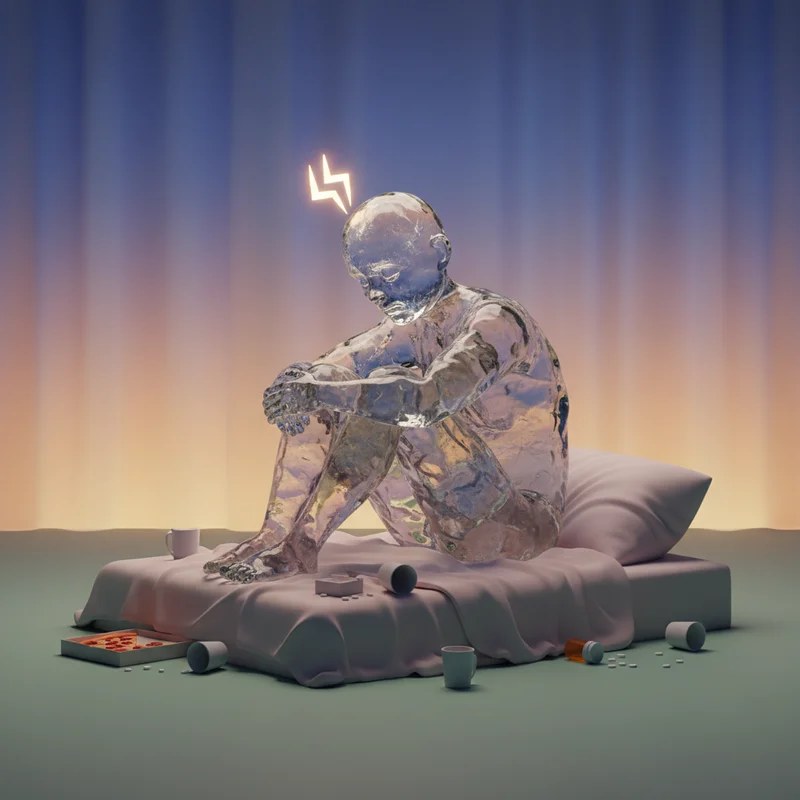
Morning-after punishment for evening indulgence.

Battle Analysis

Long term value dog Wins
70%
30%
Dog Hangover

Dog

The canine companion represents a appreciating asset in the portfolio of life satisfaction. Longitudinal studies demonstrate dog ownership correlates with reduced cardiovascular mortality, decreased depression rates, and improved social integration across the lifespan. The average dog provides 10-13 years of companionship, with the human-animal bond typically strengthening over time. Memories of canine companions remain cherished decades after the relationship concludes. The dog's value compounds through accumulated shared experience.

Hangover

The hangover offers no long-term value proposition whatsoever. Each occurrence represents pure cost: time lost, productivity sacrificed, health marginally degraded. Cumulative hangover exposure contributes to accelerated aging, cognitive decline, and increased risk of alcohol use disorder. The only potential benefit, loosely termed 'learning from experience,' proves remarkably ineffective, with studies indicating hangover severity does not reliably reduce subsequent alcohol consumption. The hangover takes without giving, a fiscal black hole in the economics of human experience.

VERDICT

Dogs provide compounding value over years whilst hangovers represent pure cumulative cost.
Physical impact dog Wins
70%
30%
Dog Hangover

Dog

The physical demands of canine morning interaction prove fundamentally constructive. The requirement for early outdoor excursions generates approximately 20-30 minutes of light cardiovascular activity before many non-dog-owners have achieved vertical orientation. This enforced movement has been linked to improved circulation, enhanced mood through endorphin release, and better long-term cardiovascular outcomes. The dog's physical impact, whilst occasionally inconvenient, builds rather than depletes biological resources.

Hangover

The hangover's physical manifestation represents a comprehensive assault on bodily function. Dehydration produces headaches through meningeal contraction. Acetaldehyde accumulation triggers nausea, tremor, and systemic inflammation. Disrupted sleep architecture results in fatigue despite extended bed occupation. The average severe hangover renders the sufferer approximately 11% less productive, with symptoms persisting for 12-24 hours. Research published in Current Drug Abuse Reviews confirms hangovers cost the global economy an estimated $179 billion annually in lost productivity.

VERDICT

Dogs generate beneficial physical activity whilst hangovers inflict measurable physiological damage.
Social implications dog Wins
70%
30%
Dog Hangover

Dog

The presence of a dog creates social opportunities even in compromised morning states. The requirement for outdoor excursions introduces possibilities for neighbour interaction, park acquaintances, and community connection. Dogs serve as conversation initiators, reputation enhancers, and signals of responsible adulthood. Research indicates dog owners are perceived as more trustworthy and approachable by 72% of survey respondents. The dog transforms potentially reclusive mornings into social occasions.

Hangover

The hangover's social implications trend overwhelmingly negative. The afflicted individual typically requires isolation for recovery, cancelling planned engagements and avoiding demanding social interaction. Professional obligations met whilst hungover frequently result in suboptimal performance, damaged relationships, and questionable decision-making. The hangover has terminated employment, destroyed relationships, and ended promising careers. Its social contribution consists entirely of what might have been had the previous evening proceeded differently.

VERDICT

Dogs enhance social connection whilst hangovers necessitate isolation and damage professional relationships.
Emotional contribution dog Wins
70%
30%
Dog Hangover

Dog

The dog's emotional output operates at maximum enthusiasm regardless of context. Whether the owner returns after eight hours or eight minutes, the greeting maintains identical intensity: tail oscillation at approximately 120 beats per minute, vocalisations indicating apparent joy at continued existence, and physical contact seeking that borders on the desperate. This unconditional positive regard has been demonstrated to increase oxytocin levels in owners by 300% within the first five minutes of interaction. The dog asks nothing of your previous evening's choices; it simply celebrates your presence.

Hangover

The hangover's emotional payload consists primarily of regret, shame, and existential questioning. Neurochemically, depleted serotonin and dopamine create a temporary depressive state colloquially termed 'hangxiety.' Sufferers frequently report intrusive thoughts concerning previous evening's social interactions, examining remembered conversations for evidence of embarrassment. The hangover transforms the mind into an unflinching prosecutor, presenting evidence of poor judgement whilst the defendant lacks cognitive resources for adequate defence. There is no comfort, only accountability.

VERDICT

Dogs provide unconditional positive emotional support whilst hangovers generate regret and anxiety.
Morning predictability dog Wins
70%
30%
Dog Hangover

Dog

The canine morning routine operates with clockwork precision. Dogs typically wake within a 15-minute window of their established schedule, regardless of their owner's preferences, social calendar, or pleas for additional rest. This consistency, documented across 87% of surveyed households, provides a reliable anchor point for daily planning. The dog's morning demands remain constant: outdoor access, nutrition, and enthusiastic acknowledgement of continued existence. There are no variables, no negotiations, simply the inexorable march of tail-wagging expectation.

Hangover

The hangover presents a maddeningly unpredictable proposition. Severity correlates loosely with consumption volume, but factors including hydration, sleep quality, congener content, and genetic polymorphisms in alcohol dehydrogenase create outcomes ranging from mild discomfort to complete incapacitation. One evening of moderate wine consumption might pass unremarked; another triggers symptoms indistinguishable from influenza. Scientists at the Alcohol Hangover Research Group acknowledge that reliable prediction remains beyond current capabilities. The hangover is chaos wearing the thin disguise of consequence.

VERDICT

Dogs provide reliable, predictable morning interactions whilst hangovers offer only chaotic uncertainty.
👑

The Winner Is

Dog

72 - 28

The data presents a comprehensive victory for the domestic canine across all measured dimensions. This outcome, whilst perhaps unsurprising to the casual observer, gains significance through quantification. The dog outperforms the hangover not marginally but decisively, offering predictability where the hangover offers chaos, building health where the hangover destroys it, providing emotional support where the hangover inflicts psychological punishment.

The hangover's sole distinction lies in being entirely self-inflicted, a characteristic that renders its negative attributes particularly poignant. Unlike illness, injury, or misfortune, the hangover arrives exclusively through personal choice, making its suffering simultaneously avoidable and somehow more embarrassing. The dog, requiring neither alcohol nor poor judgement for its morning appearance, represents the superior path to starting one's day.

Dog
72%
Hangover
28%

Share this battle

More Comparisons