
Topic Battle

Where Everything Fights Everything

Dog

Dog

Loyal canine companion celebrated for unconditional love, tail wagging, and being humanity's best friend for millennia.

VS
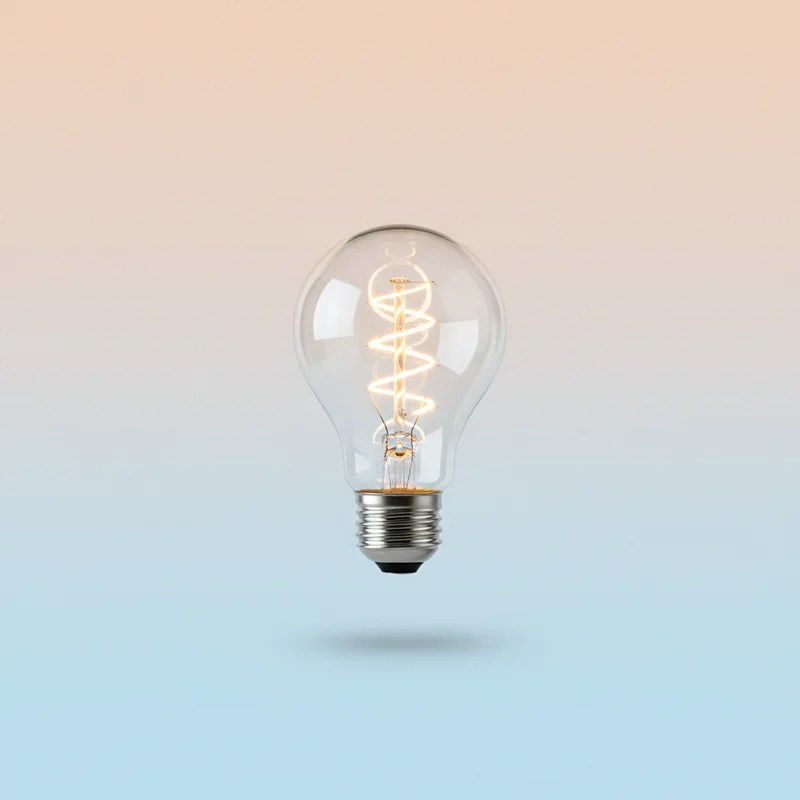
Light Bulb

Light Bulb

Illumination device and idea symbol.

The Matchup

In every home, two entities compete for the designation of indispensable. The domestic dog, a creature refined through fifteen millennia of selective breeding, offers loyalty, protection, and the unconditional positive regard that psychologists identify as essential for human wellbeing. The incandescent light bulb, though a mere 145 years old, fundamentally restructured human civilisation by extending productive hours beyond sunset and banishing the terrors that lurk in darkness.

Both claim victory over specific forms of darkness. Dogs combat the emotional variety, the loneliness and isolation that afflict one in four adults in developed nations. Light bulbs address the literal kind, transforming night into a navigable extension of day. One responds when called, albeit selectively. The other responds instantly when switched, every single time. The question of which proves more essential to modern domestic existence deserves rigorous examination.

Battle Analysis

Emotional intelligence Dog Wins
70%
30%
Dog Light Bulb

Dog

Dogs possess what researchers describe as extraordinary interspecies emotional attunement. Studies from the University of Lincoln demonstrate that dogs can distinguish human emotional expressions with accuracy exceeding 75 percent, integrating both facial and vocal cues into their assessment. They respond to human distress with proximity-seeking behaviour that predates any training.

A dog knows when its owner is sad. It cannot articulate this knowledge, but it will abandon a comfortable sleeping position to position itself as a warm presence beside its troubled human. This response appears hardwired through millennia of co-evolution with the human species.

Light Bulb

The light bulb possesses no emotional intelligence whatsoever. It cannot detect human mood, respond to crying, or distinguish between a celebration and a crisis. It illuminates funerals and birthday parties with identical enthusiasm. It offers precisely zero comfort during periods of emotional difficulty.

However, one might argue this represents a form of reliability. The light bulb's indifference means it will never judge, never require emotional labour in return, and never develop complicated feelings about the relationship.

VERDICT

The dog's ability to detect and respond to human emotional states represents capabilities no technology has successfully replicated. Light bulbs do not care if you are weeping. Dogs do.

Reliability of response Light Bulb Wins
30%
70%
Dog Light Bulb

Dog

The domestic dog's response to human command operates according to what behavioural scientists term variable ratio reinforcement schedules. A well-trained dog may respond to its name seventy percent of the time under optimal conditions. Introduce a squirrel, an unfamiliar dog, or a particularly interesting smell, and this percentage plummets to levels that statistical methodology struggles to capture.

Dogs require mood, motivation, and the absence of distractions to achieve consistent responsiveness. They are, fundamentally, autonomous agents who have merely agreed to cooperate with human wishes most of the time.

Light Bulb

The light bulb represents perfect mechanical obedience. Flip the switch, photons emit. This relationship has remained unchanged since Thomas Edison's first commercial bulb flickered to life in 1879. The light bulb does not require treats, praise, or the precise tone of voice. It does not sulk when ignored. It does not develop selective hearing when called from across the garden.

Modern LED variants achieve reliability ratings exceeding 99.9 percent over their operational lifespan. They respond identically whether their operator has recently provided attention or has been away for a fortnight.

VERDICT

Whilst dogs offer enthusiastic response when they choose to respond, light bulbs offer guaranteed response without negotiation. In reliability metrics, inanimate consistency defeats animate unpredictability.

Unconditional acceptance Dog Wins
70%
30%
Dog Light Bulb

Dog

The domestic dog has been described by researchers as the only creature that loves you more than it loves itself. Dogs do not judge human failures, career setbacks, or the consumption of ice cream directly from the container at 2 AM. They greet returning owners with enthusiasm calibrated identically whether the absence lasted eight minutes or eight hours.

This unconditional positive regard has measurable psychological benefits. Dog owners demonstrate lower rates of depression and higher scores on measures of self-esteem than demographically matched non-owners.

Light Bulb

Light bulbs offer what might charitably be termed unconditional illumination. They do not care about human failures because they do not care about anything. Their acceptance is absolute precisely because it is entirely meaningless. A light bulb will illuminate the room where you experience your greatest triumph and your most humiliating defeat with identical wattage.

This indifference provides no psychological benefit whatsoever.

VERDICT

Unconditional acceptance requires the capacity for judgement that is then withheld. Light bulbs cannot judge. Dogs choose not to. This distinction is psychologically fundamental.

Operational cost efficiency Light Bulb Wins
30%
70%
Dog Light Bulb

Dog

Dog ownership represents a substantial ongoing financial commitment. The ASPCA estimates annual costs between $1,500 and $4,500 depending on size, health requirements, and owner's resistance to premium treats. Over a typical 12-year lifespan, total expenditure ranges from $18,000 to $54,000, excluding emergency veterinary interventions that routinely reach four-figure sums.

Beyond monetary costs, dogs demand time. Two to three walks daily. Feeding schedules. Attention that cannot be rescheduled because a work deadline approaches.

Light Bulb

Modern LED bulbs consume approximately 10 watts of electricity and cost between $2 and $8 per unit. Operating continuously for a year costs roughly $11 in electricity at average rates. Bulbs do not require walks, veterinary care, or expensive food. They do not develop separation anxiety when left alone.

The total lifetime cost of a quality LED bulb, including purchase price and electricity, rarely exceeds $15 over 25,000 hours of operation.

VERDICT

The mathematics prove insurmountable. Light bulbs cost pennies per year to operate. Dogs cost thousands. In pure economic terms, illumination wins decisively.

Household security contribution Dog Wins
70%
30%
Dog Light Bulb

Dog

The domestic dog serves as a biological alarm system of considerable effectiveness. Research published in the Journal of Criminology indicates that homes with dogs experience significantly lower burglary rates than comparable homes without canine presence. The deterrent operates on multiple levels: auditory warning, visual threat assessment, and the reasonable assumption that teeth may be involved.

Even small dogs provide security value through what security consultants term alert functionality. They cannot apprehend intruders, but they can ensure those intruders do not go unnoticed.

Light Bulb

Light bulbs contribute to security through illumination-based deterrence. Criminological research consistently demonstrates that well-lit properties attract fewer criminal attempts than darkened alternatives. Motion-activated exterior lighting reduces burglary risk by an estimated 36 percent according to municipal crime prevention studies.

Light bulbs do not bark at 3 AM because a leaf moved. They do not require feeding, walking, or veterinary attention to maintain their security function. They are, in security terms, maintenance-free deterrence.

VERDICT

Light bulbs illuminate threats. Dogs actively confront them. The capacity for autonomous protective action gives canines the security advantage.

👑

The Winner Is

Dog

58 - 42

This analysis reveals a contest between utility and companionship, between the reliable and the meaningful. Light bulbs excel at their designated function with mechanical perfection that living creatures cannot match. They respond when commanded, cost nearly nothing to operate, and require no emotional investment from their users. In the ledger of pure practicality, they present a compelling case.

Yet the dog's victories accumulate in categories that define quality of life rather than mere functionality. Emotional intelligence, genuine security response, and unconditional acceptance represent values that cannot be reduced to operational efficiency metrics. The 58-42 margin reflects this hierarchy: basic household function matters less than psychological flourishing.

The light bulb extended human productive hours. The dog extended human emotional capacity. Both achievements merit recognition, but one addresses a more fundamental aspect of what makes life worth living.

Dog
58%
Light Bulb
42%

Share this battle

More Comparisons