Dog
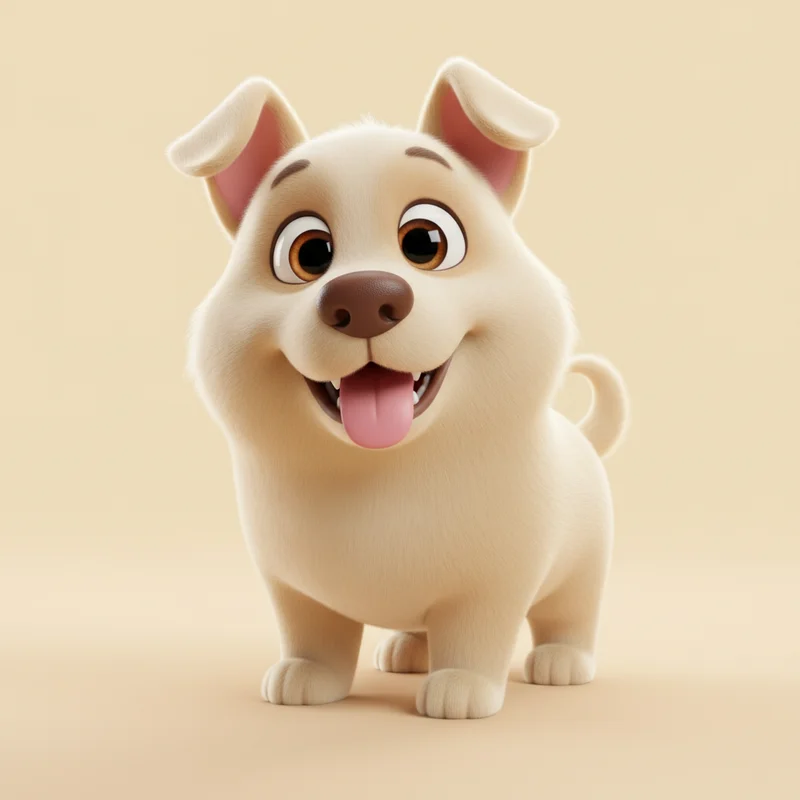
The domestic dog has made loyalty its defining characteristic to a degree that borders on the pathological. Documented cases include dogs maintaining vigil at their deceased owners' graves for over a decade, refusing to relocate despite offers of comfortable accommodation elsewhere. The neurological basis for this devotion has been mapped: dogs experience measurable increases in oxytocin when reunited with their owners, even after separations as brief as twenty minutes.
This loyalty extends to protective behaviour. Dogs routinely place themselves between perceived threats and their human companions, a response that emerges without training and appears to be hardwired into the domesticated canine genome. They do not assess whether the threat is genuine before acting. A dog will bark at a postal worker with the same commitment it would show to an actual intruder.
Peacock
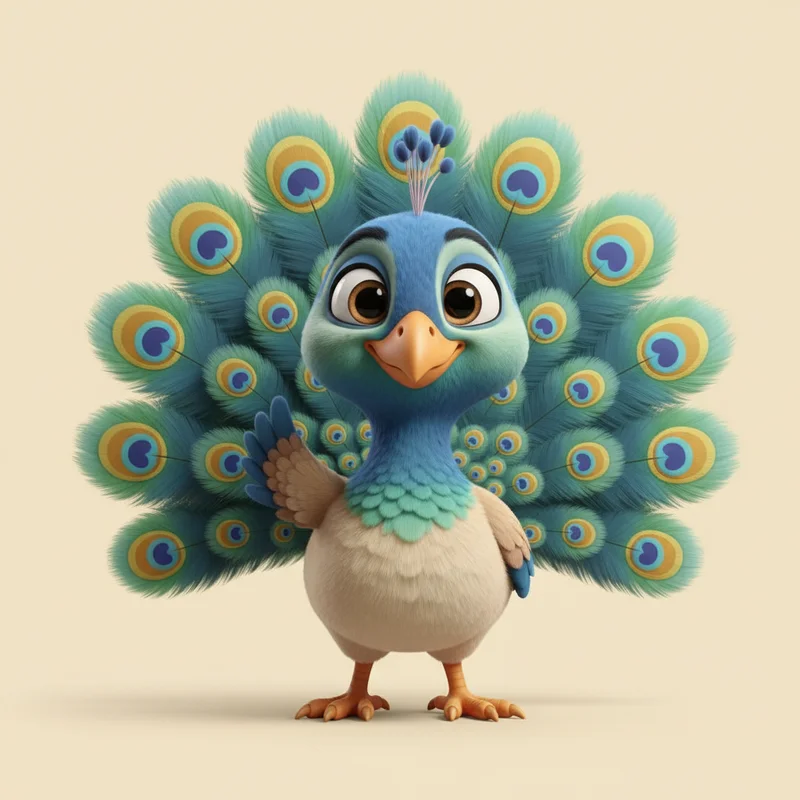
The peacock's relationship with commitment can be characterised as strategically flexible. Male peacocks maintain harems of three to five peahens during breeding season, a number that fluctuates based entirely on the quality of that year's tail display. Should a superior male arrive with more impressive plumage, the existing social structure dissolves with remarkable efficiency. Loyalty, in peacock society, is a concept that exists only until something shinier appears.
Peacocks bonded with human keepers do demonstrate recognition and approach behaviours. However, scientific observation confirms that this response correlates primarily with food availability rather than emotional attachment. A peacock will greet its keeper with apparent enthusiasm. It will greet any human carrying grain with identical enthusiasm. The peacock's affection, such as it exists, is fundamentally transactional.
VERDICT
Dogs offer loyalty as a constitutional characteristic. Peacocks offer loyalty as a negotiating position. The difference is not marginal; it is categorical. A dog's devotion survives poverty, illness, and the complete absence of treats. A peacock's devotion survives precisely until the food bowl empties.