
Dog
Dog ownership correlates with health outcomes significant enough to attract attention from cardiologists. A Swedish study tracking 3.4 million participants found dog ownership associated with a 33 percent reduction in mortality risk for individuals living alone. The mechanisms appear to combine enforced physical activity, stress reduction through companionship, and social connection facilitated by the animal's presence.
Beyond health metrics, dogs provide emotional value that defies quantification. The relationship develops over years, creating bonds that owners consistently describe as among the most meaningful in their lives. The grief following canine death frequently exceeds that associated with human relatives, a phenomenon documented extensively in bereavement literature.
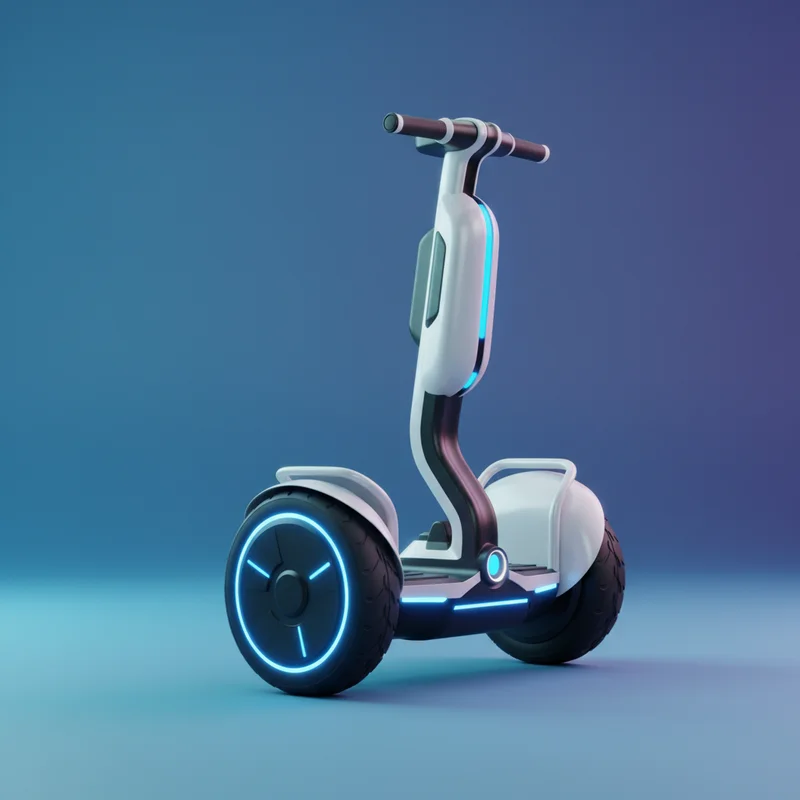
Segway
The Segway provides transportation utility that remains largely constant over its operational lifespan of 8-12 years with proper maintenance. It does not become more attached to its rider over time. It does not greet returning owners with enthusiasm. It provides exactly the same functional value on day one thousand as on day one.
This consistency represents both the Segway's strength and its limitation. Relationships with machinery do not deepen. The device cannot provide the accumulated emotional significance that develops through shared experience with a living companion.
VERDICT
The Segway offers consistent utility. Dogs offer relationships that compound in value over their lifespans, creating emotional returns that transportation devices cannot generate.