
0
Dog Wins
Dog takes this round
Dog
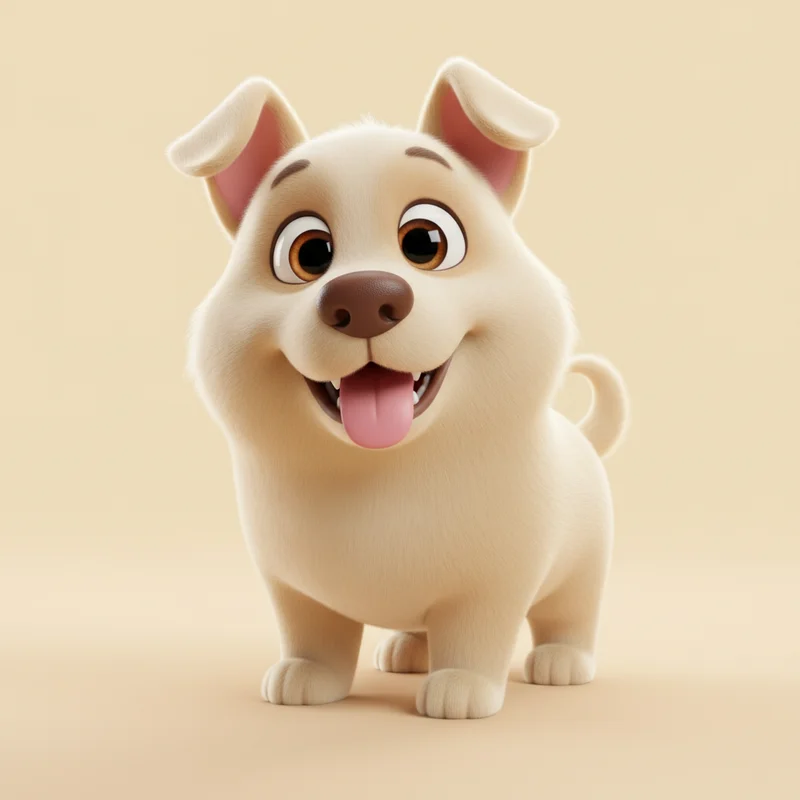
The domestic dog represents one of evolution's more successful experiments in terrestrial locomotion. The Greyhound, that aerodynamic masterpiece of selective breeding, achieves velocities exceeding 70 kilometres per hour, whilst even the most rotund Basset Hound can outpace a determined jogger when sufficiently motivated by the prospect of food. The canine's four-limb galloping mechanism, refined over millennia of wolf ancestry, permits rapid acceleration, sustained pursuit, and those magnificent displays of velocity witnessed when one mentions the word 'walkies'. Their speed serves multiple evolutionary purposes: hunting, play, and the urgent need to greet their human companions as though they had been absent for decades rather than merely visiting the lavatory.
Sloth
The sloth has taken an entirely different approach to the question of movement, arriving at the revolutionary conclusion that perhaps speed is simply overrated. Travelling at a maximum velocity of 0.27 kilometres per hour, the three-toed sloth moves with such deliberate slowness that algae grows upon its fur, creating an entire ecosystem within its coat. This is not laziness but rather a sophisticated metabolic strategy. The sloth's extraordinarily slow movement conserves energy in an environment where nutritional resources are limited. Their muscle mass constitutes merely 25 percent of their body weight, compared to approximately 40 percent in most mammals. One might say they have perfected the art of strategic lethargy.
VERDICT
The dog's velocity advantage spans multiple orders of magnitude, rendering this criterion almost mathematically embarrassing.