
Dog
The domestic dog operates as a non-negotiable fitness regime. Studies from the University of Liverpool demonstrate that dog owners walk an average of 22 additional minutes daily compared to non-owners, accumulating approximately 2,760 extra minutes of exercise annually. This occurs regardless of weather conditions, personal motivation levels, or the compelling nature of whatever programme has just begun on television.
The dog's motivational methodology involves direct eye contact, strategic positioning near the lead storage location, and vocalisations that increase in frequency and pitch until compliance is achieved. There is no snooze function. There is no option to dismiss the notification. The walk will occur.
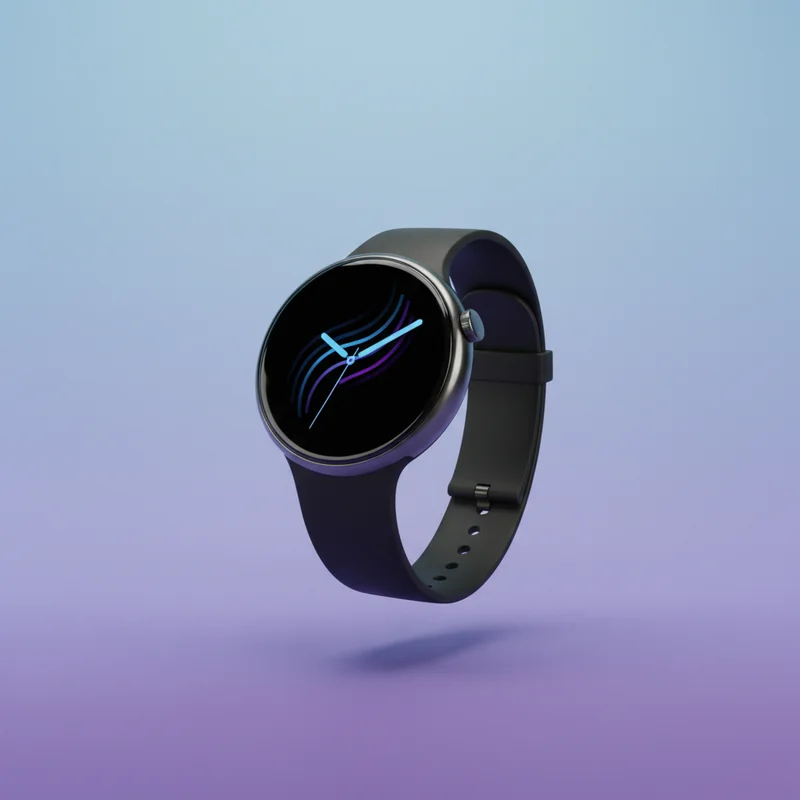
Smart Watch
Smart watches deploy gamification psychology refined through decades of behavioural research. Rings must be closed. Streaks must be maintained. Achievements must be unlocked. The device awards badges for standing up, badges for breathing, and badges for completing activities that previous generations considered unremarkable components of ordinary existence.
Yet the smart watch suffers a critical limitation: it can be ignored. Studies indicate that approximately 40 percent of fitness tracker owners abandon their devices within six months. The notifications become background noise. The rings remain unclosed. The watch, unlike a Labrador, cannot follow you from room to room with increasing desperation.
VERDICT
Smart watches request movement through electronic suggestion. Dogs require movement through biological necessity. One approach is optional. The other is not.