
Dog
The domestic dog offers zero direct nutritional value to its human companion, a characteristic that distinguishes it fundamentally from the smoothie in this criterion. Dogs are, by design and social convention, not consumed. Their contribution to human nutrition is therefore limited to indirect mechanisms: enforcing meal schedules through their own dietary demands, and occasionally consuming food items that would otherwise contribute to human caloric surplus.
Research indicates dog owners demonstrate marginally lower rates of snacking, attributed to the difficulty of eating crisps whilst throwing a tennis ball. This represents a nutritional benefit achieved through interference rather than supplementation.
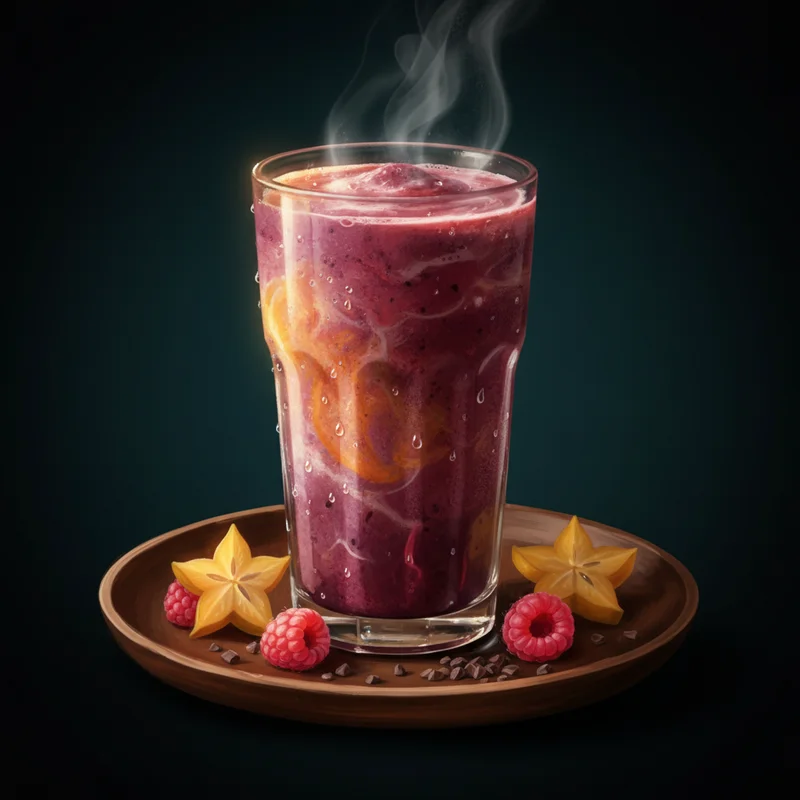
Smoothie
A properly constructed smoothie delivers remarkable nutritional density. A single 500ml serving can contain the recommended daily intake of multiple vitamins, several grams of fibre, and sufficient protein to support moderate athletic recovery. The smoothie permits the consumption of vegetables that would otherwise require chewing, a process many find objectionable before noon.
The bioavailability of nutrients in blended form exceeds that of whole foods for certain compounds, though this advantage is offset by the glycaemic impact of fruit sugars released from their cellular matrices. A kale and banana smoothie is not, nutritional scientists note, the same as eating kale and a banana separately.
VERDICT
The smoothie provides actual nutrition. The dog provides the opposite of nutrition, occasionally consuming human food and offering nothing edible in return. This represents an insurmountable categorical advantage.