Topic Battle

Where Everything Fights Everything

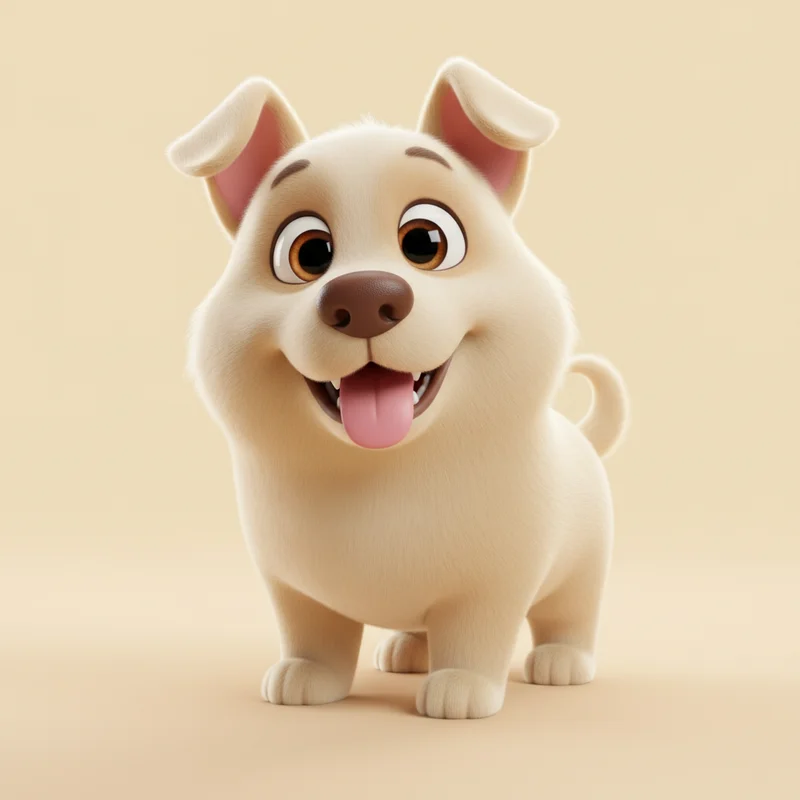
Dog

Dog

Loyal canine companion celebrated for unconditional love, tail wagging, and being humanity's best friend for millennia.

VS
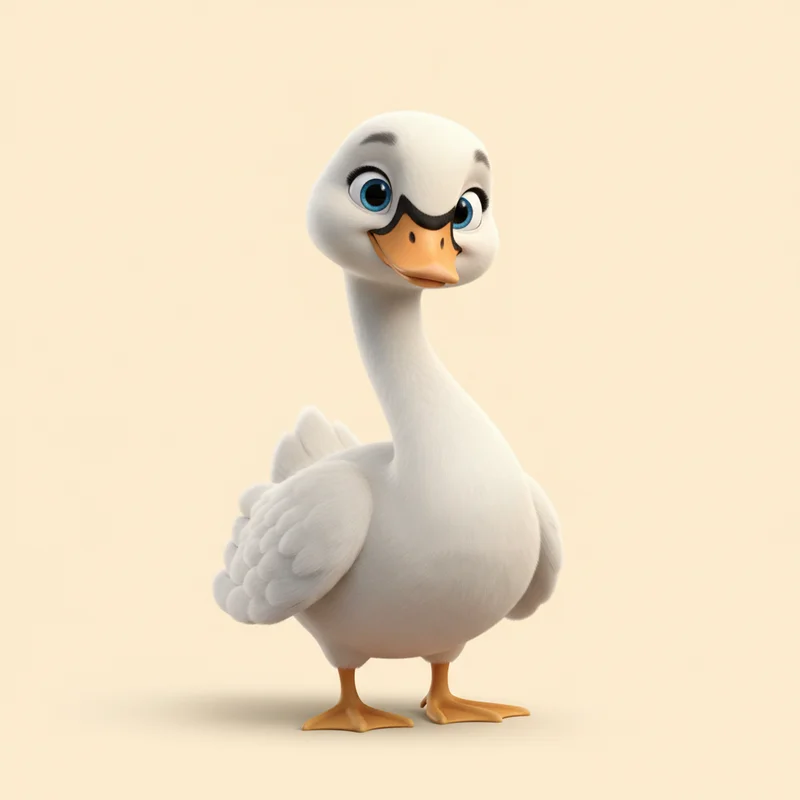
Swan

Swan

Elegant waterfowl forming lifelong pair bonds while maintaining surprising levels of territorial aggression.

The Matchup

In the waterways and parklands of Britain, two creatures have established themselves as fixtures of the national consciousness. 12 million dogs reside in British households, whilst approximately 32,000 mute swans glide through the nation's rivers and lakes with an air of aristocratic entitlement that predates the Magna Carta. Both inspire strong reactions in the human population, though the nature of those reactions differs considerably.

The domestic dog, Canis lupus familiaris, represents humanity's oldest partnership with another species, a collaboration spanning some 15,000 years of mutual benefit. The mute swan, Cygnus olor, has maintained a rather different relationship with humanity, one characterised by legal protection, territorial aggression, and the persistent myth that it can break a man's arm with its wing. Both creatures occupy significant positions in the British psyche. Only one will emerge from this analysis with its reputation enhanced.

Battle Analysis

Approachability Dog Wins
70%
30%
Dog Swan

Dog

The domestic dog has evolved what researchers term hypersociability, a genetic predisposition towards seeking human contact that distinguishes it from its wolf ancestors. Studies at Princeton University identified specific genes associated with this trait, mutations that essentially encoded dogs for friendliness over millennia of selective breeding. The average dog approaches humans with what can only be described as excessive optimism, tail wagging at frequencies that correlate with emotional arousal.

This approachability serves practical functions. Dogs are employed as therapy animals, assistance companions, and social facilitators precisely because they do not require extensive negotiation before permitting contact. A well-socialised dog will accept attention from strangers with enthusiasm bordering on the undignified.

Swan

The mute swan has cultivated an approach to human interaction best described as strategic hostility. Whilst capable of tolerating human presence when food is offered, swans maintain a baseline attitude of suspicion that can escalate to open aggression with minimal provocation. During breeding season, which conveniently spans most of the pleasant weather months, swans defend territories extending up to four hectares with a commitment that military strategists might admire.

Their approach is characterised by warning displays, wing-arching postures designed to maximise apparent size, followed by direct charges at perceived threats. The fact that swans have successfully intimidated grown adults into retreating from public footpaths speaks to the effectiveness of this strategy.

VERDICT

Dogs were literally engineered for approachability. Swans appear to have been designed by nature to discourage casual interaction with maximum prejudice.

Aesthetic impact Swan Wins
30%
70%
Dog Swan

Dog

Dogs present extraordinary aesthetic diversity. Selective breeding has produced forms ranging from the 2-kilogram Chihuahua to the 90-kilogram English Mastiff, with every conceivable variation in coat, colour, and conformation between. This diversity ensures that dogs can suit virtually any aesthetic preference, though purists might argue that this very variety dilutes any singular aesthetic impact.

The average dog, viewed objectively, combines endearing features with decidedly functional ones. They are, by design, approachable rather than magnificent.

Swan

The mute swan has been perfecting a single aesthetic for approximately 10 million years, and the result commands attention. Pure white plumage, elegant S-curved neck, and a wingspan exceeding two metres create a visual impact that has inspired artists from ancient Greece to contemporary ballet. Tchaikovsky did not compose Labrador Lake.

Swans possess what designers term iconic form, instantly recognisable silhouettes that function as symbols of grace across cultures. Their reflection on still water creates compositions that painters have attempted to capture for centuries. They are, quite simply, aesthetically perfect for their ecological niche.

VERDICT

Dogs offer variety. Swans offer perfection. In pure aesthetic terms, evolution has crafted something extraordinary in the swan's form.

Practical utility Dog Wins
70%
30%
Dog Swan

Dog

Dogs perform an astonishing range of practical functions. They guard property, herd livestock, detect contraband, assist the disabled, locate missing persons, and provide therapeutic support for conditions ranging from anxiety to PTSD. The economic value of working dogs in the UK alone exceeds several billion pounds annually. Guide dogs for the blind represent perhaps the most visible example of canine utility, enabling independence for thousands who would otherwise require constant human assistance.

Beyond professional roles, dogs provide practical benefits in daily life: motivation for exercise, social facilitation, and home security. They are, fundamentally, useful organisms.

Swan

The practical utility of swans may be summarised concisely: they eat aquatic vegetation. This activity, whilst ecologically valuable, does not translate into benefits that humans can readily exploit. Swans were historically consumed as prestigious food at medieval banquets, a practice that has mercifully ceased. Their feathers provided quills and down, functions now served by superior alternatives.

In modern contexts, swans contribute to the tourist economy by being photographed and occasionally contribute to the news economy by attacking tourists. They do not perform tricks, cannot be trained for assistance work, and actively resist attempts at any form of collaboration with human objectives.

VERDICT

Dogs serve humanity in dozens of measurable ways. Swans serve primarily as scenery with attitude problems.

Loyalty and devotion Dog Wins
70%
30%
Dog Swan

Dog

The loyalty of dogs has become so proverbial as to constitute a cultural assumption. Stories of canine devotion, from Greyfriars Bobby to Hachiko, represent extremes of a behaviour pattern that research confirms as species-typical. Dogs form attachment bonds with their primary caregivers that neuroimaging studies reveal to involve the same brain regions activated in human romantic attachment. They are, in a measurable neurological sense, genuinely devoted.

This loyalty manifests practically. Dogs will alert owners to danger, provide comfort during distress, and maintain enthusiasm for their human companions even when those companions have provided suboptimal care. Their forgiveness is, perhaps, excessive.

Swan

Swans are famous for forming lifelong pair bonds with their mates, a behavioural pattern that has made them symbols of romantic fidelity. However, this loyalty extends exclusively to other swans. Research by the Wildfowl and Wetlands Trust indicates that approximately 5 percent of swan partnerships end in separation, typically following breeding failure, suggesting their devotion, whilst genuine, is not entirely unconditional.

Towards humans, swans display no loyalty whatsoever. They will accept bread from the same individual for years and attack that individual without hesitation should circumstances change. The relationship is purely transactional, and the swan reserves the right to renegotiate terms with violence at any moment.

VERDICT

Dogs offer loyalty to humans that approaches the pathological. Swans offer loyalty exclusively to other swans, and even then with documented exceptions.

Territorial authority Swan Wins
30%
70%
Dog Swan

Dog

Dogs exhibit territorial behaviour that, whilst genuine, remains fundamentally negotiable. A dog may bark at intruders, patrol property boundaries, and display protective posturing, but these behaviours can be modified through training. The domestic dog has learned, through generations of cohabitation, that absolute territorial control is incompatible with receiving regular meals and comfortable sleeping arrangements.

Furthermore, dogs recognise human authority over territory. They do not, as a rule, claim public parks as personal fiefdoms or attempt to exclude legitimate visitors from municipal waterways.

Swan

The mute swan enforces territorial claims with a totalitarian commitment that accepts no appeals process. Research published in the journal Animal Behaviour documents swans maintaining territories year after year, recognising and targeting specific individuals who previously transgressed their invisible boundaries. They possess institutional memory for grudges.

In Britain, swans enjoy unique legal status as the only wild birds that are specifically protected as Crown property when unmarked on open waters. This royal prerogative, established by the Crown in the 12th century, effectively provides swans with governmental backing for their territorial assertions. They are, quite literally, the Queen's birds, and they behave accordingly.

VERDICT

Swans maintain territorial control that even royal endorsement could not make more absolute. Dogs defend territory; swans rule it.

👑

The Winner Is

Dog

55 - 45

This analysis reveals a competition between two creatures that have chosen radically different evolutionary strategies for coexisting with humanity. Dogs pursued integration, becoming so thoroughly enmeshed with human society that their survival depends upon it. Swans pursued toleration, accepting human presence whilst maintaining complete independence of purpose and action.

The scoring reflects the practical realities of human preference. Dogs claim victory in approachability, loyalty, and utility, categories where their co-evolutionary history with humans provides insurmountable advantages. Swans triumph in territorial authority and aesthetic impact, domains where their wild nature and physical perfection command respect. The 55-45 margin acknowledges that whilst swans possess qualities humans admire, dogs possess qualities humans can actually live with.

The dog's victory is not a judgment on the swan's worth as a species, merely an acknowledgment that partnership produces different outcomes than parallel existence.

Dog
55%
Swan
45%

Share this battle

More Comparisons