
Dog
Dogs function as extraordinarily efficient social catalysts. Research published in PLOS ONE indicates dog owners engage in conversation with strangers approximately three times more frequently than non-owners. The presence of a dog signals approachability, provides immediate conversation topics, and creates organic community connections through regular walking routes. Dog parks have emerged as genuine social spaces where otherwise disconnected individuals form lasting friendships and, not infrequently, romantic partnerships. The dog serves as a social prosthetic—extending its owner's network reach in ways that would require considerable effort to achieve unaided. Single dog owners report meeting potential romantic partners at rates exceeding users of popular dating applications.
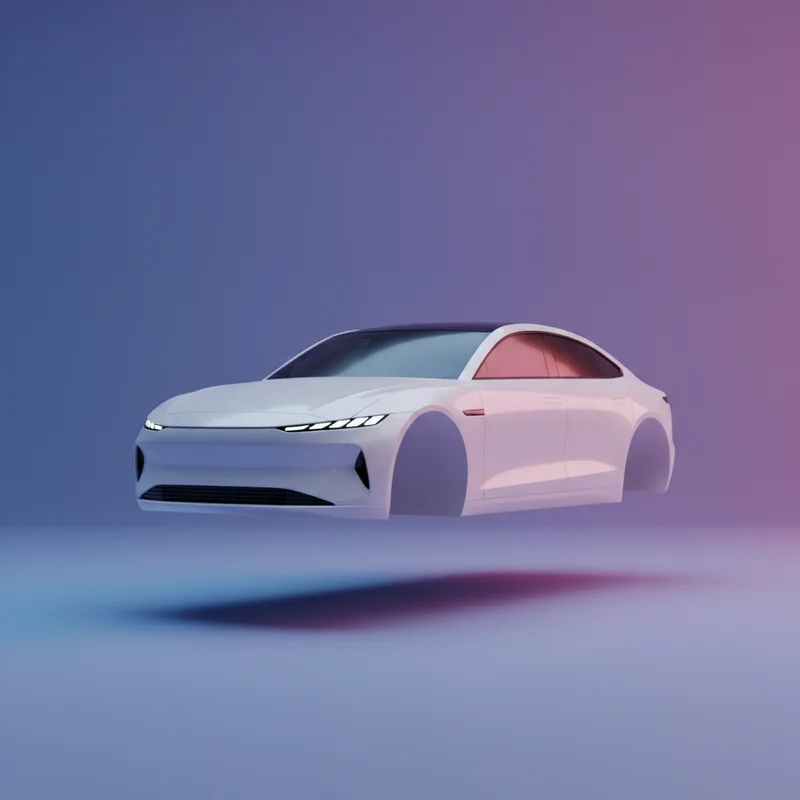
Tesla
Tesla ownership confers tribal membership within electric vehicle enthusiast communities. Owners flash headlights at fellow Tesla drivers, gather at Supercharger stations for impromptu conversations, and participate in forums discussing software updates with religious fervour. The brand signals values: environmental concern, technological optimism, financial comfort. Yet this social enhancement remains demographically constrained—resonating primarily with affluent technology enthusiasts rather than general populations. Displaying Tesla ownership in certain contexts risks accusations of virtue signalling or wealth display. The vehicle enhances social connection within specific communities whilst potentially alienating others. Dogs, by contrast, generate universal positive responses across demographic boundaries.