Dog
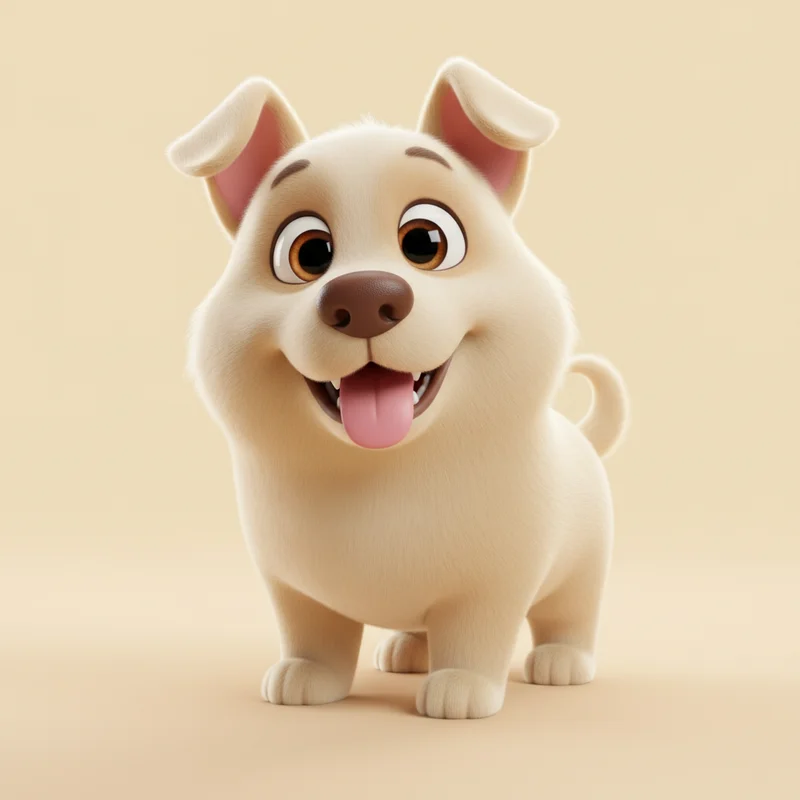
The domestic dog has elevated loyalty to an art form unmatched in the animal kingdom. Documented cases abound of dogs waiting years for deceased owners, travelling hundreds of miles to reunite with families, and refusing food from anyone but their designated human. The neurological basis for this devotion has been mapped: dogs release oxytocin when gazing at their owners, the same hormone associated with maternal bonding in humans. This is not merely affection; it is chemically-induced dedication.
Dogs demonstrate loyalty across circumstances that would test any relationship. They welcome owners home with identical enthusiasm whether the absence lasted eight hours or eight minutes. They forgive missed walks, delayed dinners, and extended work trips without apparent resentment. The dog's loyalty requires no maintenance beyond basic care and occasional acknowledgement. It simply exists, constant and unquestioning, as a fundamental feature of canine existence.
Wrestling
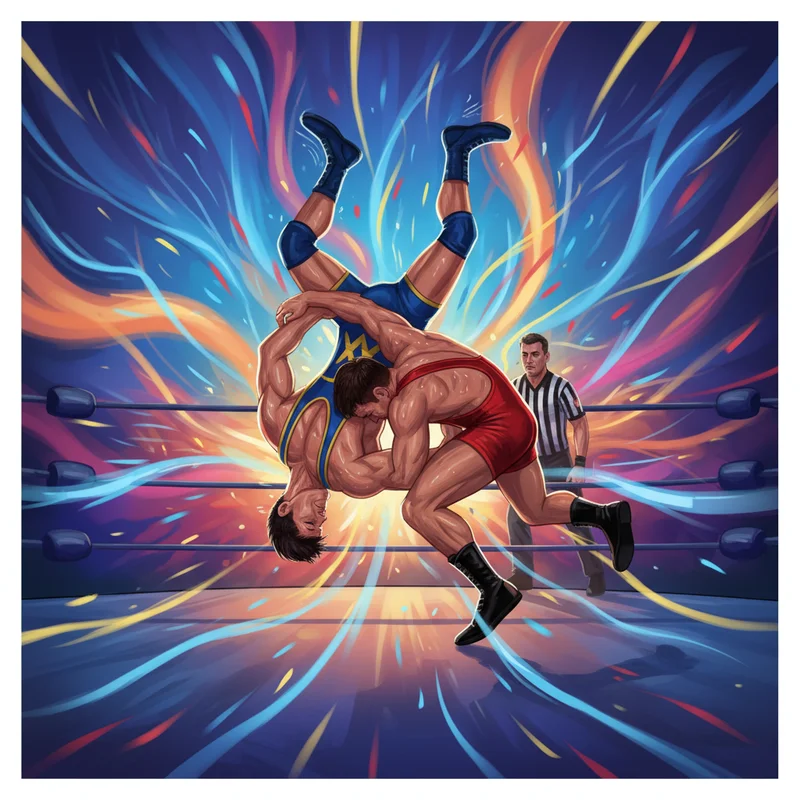
Wrestling's relationship with loyalty operates through entirely different mechanisms. The sport demands dedication from its practitioners: years of training, strict dietary discipline, and physical sacrifice in pursuit of competitive excellence. Elite wrestlers demonstrate loyalty to their craft through thousands of practice hours and the acceptance of injuries that would discourage less committed individuals. This commitment, however, flows in a single direction. Wrestling itself offers no reciprocal devotion.
The sport cannot miss its practitioners when they retire. It does not greet returning athletes with enthusiasm or demonstrate distress during injury absences. Wrestling's 'loyalty' manifests as consistency of rules and techniques across generations, a form of institutional reliability rather than emotional attachment. The half-nelson functions identically whether performed in 1924 or 2024, but this permanence reflects physics rather than affection.