Topic Battle

Where Everything Fights Everything

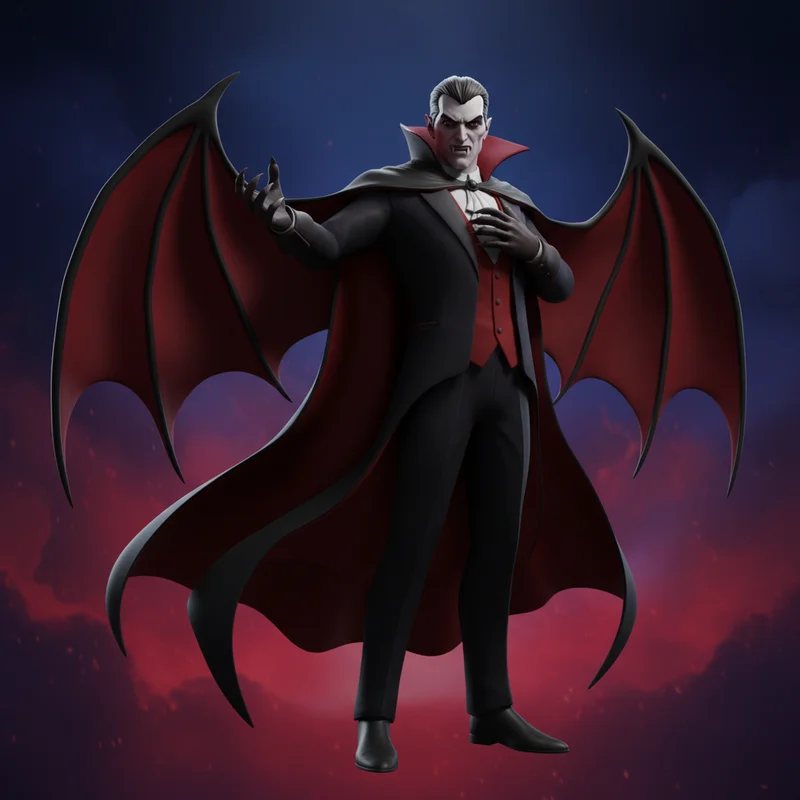
Dracula

Dracula

Original vampire count from Transylvania.

VS
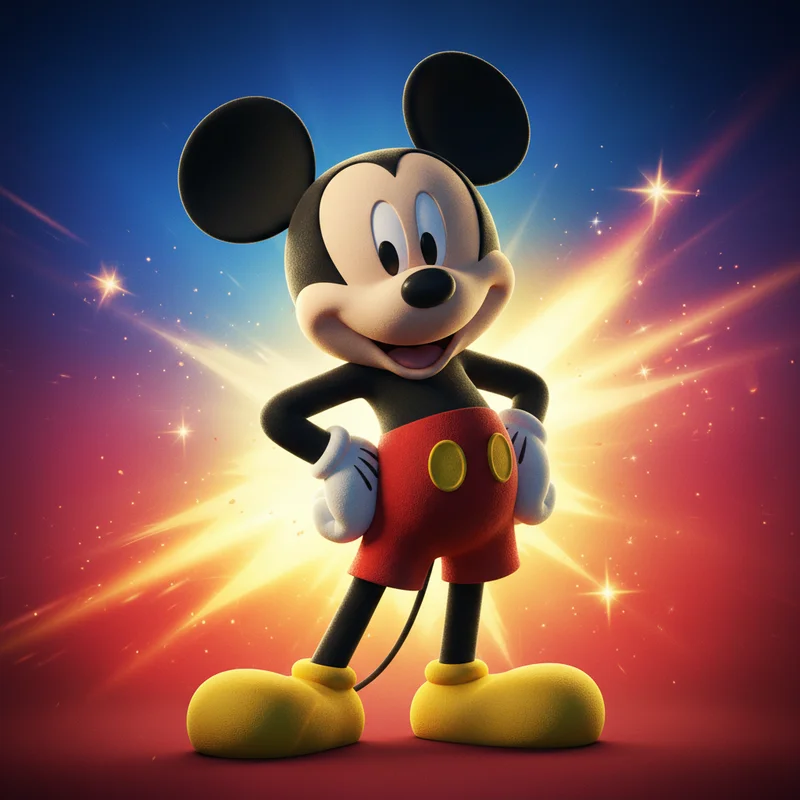
Mickey Mouse

Mickey Mouse

Disney's original mascot and corporate icon.

Battle Analysis

Adaptability Dracula Wins
70%
30%
Dracula Mickey Mouse

Dracula

The count demonstrates extraordinary narrative flexibility, successfully inhabiting horror, romance, comedy, and children's entertainment without losing essential identity. From Francis Ford Coppola's sumptuous Gothic romance to Adam Sandler's comedic Hotel Transylvania franchise, Dracula adapts while remaining recognisable. The character has been portrayed as tragic hero, romantic lead, terrifying monster, and comedic buffoon. This versatility stems from the archetype's fundamental simplicity: immortality, bloodthirst, and aristocratic bearing provide a framework upon which infinite variations can be constructed. Each generation reinterprets the count according to contemporary anxieties.

Mickey Mouse

Mickey's adaptability is severely constrained by corporate brand guidelines. The Walt Disney Company maintains strict control over the character's portrayal, prohibiting interpretations that might damage the family-friendly image. This has resulted in a character frozen in perpetual blandness. While Mickey has appeared in video games (Kingdom Hearts) and various shorts, these represent variations in medium rather than genuine character evolution. The mouse cannot be tragic, frightening, or morally complex without violating brand parameters. His commercial value depends upon predictability, which paradoxically limits his cultural potential. Mickey is consistent but consequently artistically stagnant.

VERDICT

Public domain status allows Dracula to span all genres whilst Mickey remains locked in corporate brand restrictions
Global influence Mickey Mouse Wins
30%
70%
Dracula Mickey Mouse

Dracula

The vampire count's influence extends far beyond entertainment into genuine economic impact. Tourism to Romania, particularly the Bran Castle marketed as 'Dracula's Castle', generates approximately $3.5 million annually, despite the castle's tenuous historical connection to Vlad the Impaler. The character has inspired countless vampire fiction derivatives worth billions collectively, from Anne Rice's chronicles to the Twilight franchise. Psychologically, 'Dracula' has become shorthand for parasitic behaviour across multiple languages. The count has achieved what few fictional characters manage: becoming a universal archetype recognised in virtually every culture.

Mickey Mouse

Mickey Mouse operates as the face of a $52.2 billion entertainment conglomerate, with the character's likeness appearing on merchandise generating approximately $3 billion in annual licensing revenue. The mouse serves as the centrepiece of theme parks across four continents, attracting over 150 million visitors annually. However, this influence is predominantly commercial rather than cultural. Mickey functions primarily as a corporate logo rather than a character with narrative significance. His global recognition is undeniable, yet it represents brand awareness rather than meaningful cultural dialogue. The mouse sells products; the count inspires art.

VERDICT

Mickey's $52.2 billion empire and 150 million annual theme park visitors represent unmatched commercial global reach
Cultural longevity Dracula Wins
70%
30%
Dracula Mickey Mouse

Dracula

Count Dracula's literary debut in 1897 marked the birth of modern vampire mythology. The character has demonstrated remarkable adaptive resilience, successfully transitioning through every major entertainment era. From Bela Lugosi's 1931 portrayal to Gary Oldman's romantic interpretation in 1992, and Netflix's 2020 reimagining, Dracula has accumulated over 200 distinct screen portrayals. Remarkably, the character entered public domain in most territories, allowing unrestricted creative interpretation. This has resulted in an extraordinary diversity of adaptations, from Nosferatu to Hotel Transylvania, ensuring perpetual cultural relevance without corporate gatekeeping.

Mickey Mouse

Mickey Mouse's 1928 debut in Steamboat Willie coincided with the dawn of synchronised sound in animation. The character has maintained continuous commercial presence for nearly a century, though this longevity comes with notable caveats. Mickey's cultural relevance has been artificially sustained through aggressive trademark protection and the controversial Copyright Term Extension Act of 1998, colloquially known as the 'Mickey Mouse Protection Act'. While the earliest iterations entered public domain in 2024, the character remains largely corporately controlled. His transformation from mischievous cartoon to sanitised corporate mascot has arguably diminished his cultural vitality.

VERDICT

Public domain freedom has allowed Dracula to evolve organically across 200+ interpretations while Mickey remains corporate-constrained
Psychological impact Dracula Wins
70%
30%
Dracula Mickey Mouse

Dracula

The count has embedded himself deeply within human psychology, representing our primal fears of death, sexuality, and predation. Freudian scholars have dedicated countless papers to the vampire's symbolic significance, interpreting the bite as a metaphor for forbidden intimacy. The character has spawned clinical vampirism (Renfield's syndrome), a recognised psychological condition. More broadly, Dracula serves as a shadow archetype in Jungian terms, representing the dangerous aspects of human nature that civilisation suppresses. The character's psychological resonance explains his perpetual relevance: he speaks to fundamental human anxieties that transcend cultural boundaries.

Mickey Mouse

Mickey Mouse occupies a position of comforting nostalgia within collective memory, associated with childhood innocence and family entertainment. Psychologically, the character functions as a transitional object for many children, providing emotional security through merchandise and media. However, the mouse lacks the archetypal depth of more complex characters. His sanitisation over decades has stripped away the mischievous personality evident in early cartoons. Studies indicate Mickey generates positive associations but minimal psychological engagement. He represents passive consumption rather than active psychological exploration, serving more as background comfort than meaningful symbolic figure.

VERDICT

Dracula represents profound Jungian archetypes and Freudian symbols while Mickey offers only nostalgic comfort
Merchandise and economics Mickey Mouse Wins
30%
70%
Dracula Mickey Mouse

Dracula

Dracula merchandise exists in a fragmented marketplace, with no central authority controlling licensing. This results in wildly inconsistent quality and availability. The count appears on everything from children's cereal to high-fashion collections, but total merchandise revenue remains impossible to calculate due to public domain status. Tourism represents the most quantifiable economic impact, with Romanian vampire-themed attractions generating substantial regional income. The character supports countless independent creators through derivative works, though this distributed economic model produces less concentrated wealth than corporate alternatives.

Mickey Mouse

Mickey Mouse merchandise represents a finely calibrated corporate machine. The character generates approximately $3 billion annually in direct licensing revenue, with merchandise sold in virtually every country. Disney theme parks, where Mickey serves as primary mascot, generate over $28 billion annually. The mouse appears on products ranging from luxury timepieces to children's plasters. This economic dominance stems from centralised brand management ensuring consistent quality and availability. The Disney Store concept alone operates hundreds of locations globally. In pure economic terms, Mickey Mouse is not merely a character but a perpetual revenue engine.

VERDICT

Mickey's $3 billion licensing and $28 billion theme park revenue dwarfs Dracula's fragmented public domain economy
👑

The Winner Is

Dracula

54 - 46

This contest between eternal darkness and perpetual sunshine reveals fascinating truths about the nature of cultural immortality. Dracula claims victory through superior artistic legacy, psychological depth, and creative freedom that allows continuous evolution. The count represents something profound about human nature, while the mouse represents something profound about human commerce. Mickey's economic dominance is undeniable, generating wealth that Dracula's fragmented rights structure cannot match. Yet financial success and cultural significance are not synonymous. The vampire has spawned entire genres of literature, inspired serious scholarly analysis, and become a universal archetype. The mouse has become a corporate logo. Both have achieved immortality, but Dracula's immortality enriches human culture whilst Mickey's primarily enriches corporate shareholders.

Dracula
54%
Mickey Mouse
46%

Share this battle

More Comparisons