
Topic Battle

Where Everything Fights Everything

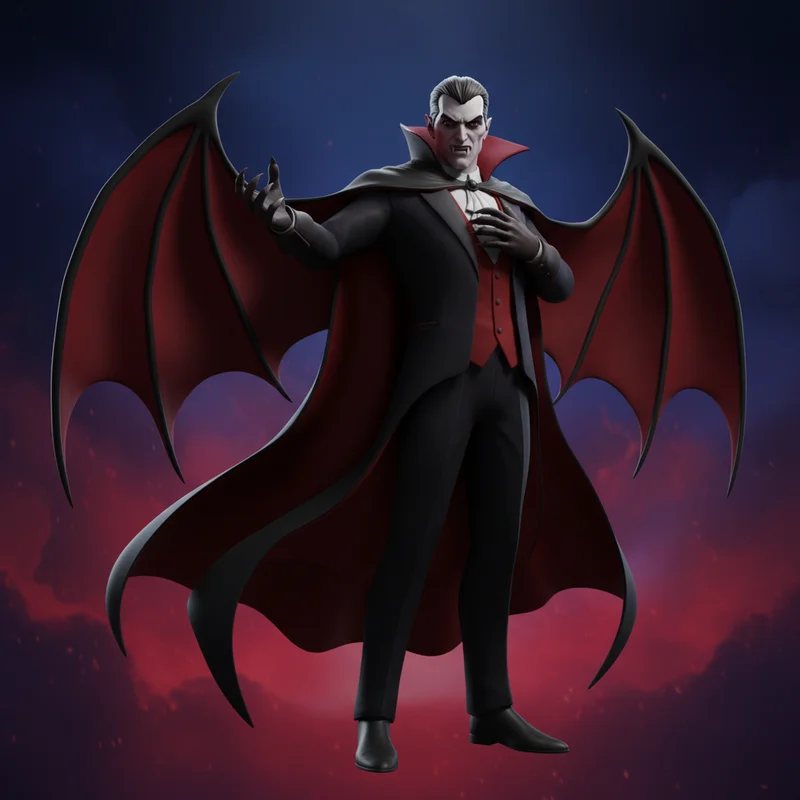
Dracula

Dracula

Original vampire count from Transylvania.

VS
Ninja

Ninja

Feudal Japanese covert agent and pop culture icon.

Battle Analysis

Cultural impact Dracula Wins
70%
30%
Dracula Ninja

Dracula

Bram Stoker's 1897 novel transformed a minor Wallachian warlord into Western literature's most enduring monster. The character has spawned an entertainment empire generating billions annually. Dracula's influence pervades modern vampire mythology entirely—from Twilight to True Blood, virtually every contemporary vampire owes its existence to Stoker's creation. The Count has been portrayed by over 100 actors across theatre, film, and television. Beyond entertainment, Dracula tourism contributes approximately $500 million annually to Romania's economy. The vampire archetype he popularised influences fashion, music, literature, and even psychological terminology—the 'emotional vampire' concept derives directly from his cultural legacy.

Ninja

The ninja's cultural penetration rivals any supernatural creature despite being entirely historical. Japanese shinobi have inspired thousands of films, games, and television programmes. The Teenage Mutant Ninja Turtles franchise alone has generated over $6 billion in merchandise. Ninja imagery pervades global popular culture: the black-clad assassin has become a universal symbol of stealth and deadly competence. Interestingly, much 'ninja' culture bears little resemblance to historical reality—the iconic black costume was a theatrical convention, as actual ninja dressed to blend with local populations. Nevertheless, this mythologised ninja has achieved remarkable cultural saturation, influencing everything from marketing strategies to children's birthday parties.

VERDICT

Created an entire monster archetype that dominates horror genre for over a century
Combat effectiveness Dracula Wins
70%
30%
Dracula Ninja

Dracula

In direct confrontation, Count Dracula presents a genuinely terrifying prospect. His superhuman strength reportedly permits the lifting of several tonnes with minimal effort. The vampire's speed exceeds human perception, allowing attacks faster than the eye can follow. Most significantly, conventional weapons prove largely ineffective—bullets, blades, and blunt trauma merely inconvenience a creature who has already conquered death itself. Dracula's hypnotic gaze can paralyse opponents before combat even commences. His regenerative capabilities mean that even successful attacks require repeated application. The only documented weaknesses—wooden stakes, holy symbols, sunlight—require specific knowledge and preparation to exploit.

Ninja

The ninja's combat philosophy emphasised pragmatic lethality over honourable engagement. Their arsenal included the katana, shuriken, kusarigama, and various poisons capable of killing within minutes. Historical records document ninja employing over 30 distinct poison varieties, from quick-acting alkaloids to slow deterioration agents. They pioneered ambush tactics, misdirection, and psychological warfare centuries before modern military doctrine formalised these concepts. However, the ninja remains fundamentally human—vulnerable to injury, fatigue, and ultimately death. Against a supernatural opponent impervious to conventional weaponry, even the most skilled shinobi faces severe tactical disadvantages.

VERDICT

Supernatural invulnerability and regeneration trump mortal combat excellence
Operational longevity Dracula Wins
70%
30%
Dracula Ninja

Dracula

The vampire's most compelling advantage lies in functional immortality. Count Dracula has reportedly operated since the fifteenth century—a career spanning over 500 years of continuous activity. This longevity permits accumulation of knowledge, resources, and experience beyond any mortal capacity. A vampire can observe empires rise and fall, learn every language, master every skill, and acquire wealth compounding across centuries. Dracula's Transylvanian estate represents generations of accumulated resources. More practically, immortality eliminates succession planning entirely—the same operative can pursue objectives across multiple human lifetimes without training replacements or maintaining institutional knowledge.

Ninja

The historical ninja faced the fundamental limitation of human mortality. Even the most skilled shinobi typically operated for perhaps 20-30 active years before age degraded their capabilities. The Iga and Koga clans addressed this through rigorous generational training, creating continuous traditions rather than immortal individuals. However, this approach introduced vulnerabilities: knowledge could be lost, traditions corrupted, and entire lineages eliminated through targeted warfare. When Oda Nobunaga attacked Iga Province in 1581 with 40,000 troops, he nearly extinguished the ninja tradition entirely. Mortal excellence, however refined, remains fundamentally temporary.

VERDICT

Functional immortality provides insurmountable advantage over mortal operational timeframes
Stealth and infiltration Ninja Wins
30%
70%
Dracula Ninja

Dracula

The Count possesses supernatural advantages that render conventional stealth almost redundant. His ability to transform into mist, wolves, or bats permits entry through the smallest aperture—a capability that would make any security consultant weep. Historical accounts suggest vampires cast no reflection and produce no shadow under certain conditions, eliminating two primary detection methods. However, Dracula's aristocratic demeanour often undermines his infiltration potential; he arrives with fifty boxes of Transylvanian earth and requires invitation to enter private residences. His preference for dramatic entrances—billowing capes, thunderstorms, hypnotic pronouncements—suggests stealth may not be his primary concern.

Ninja

The shinobi elevated stealth to an art form requiring decades of rigorous training. Historical ninja employed over 400 documented techniques for silent movement, including the legendary nuki-ashi (stealthy step) and suri-ashi (sliding step). They designed specialised equipment: soft-soled tabi boots, dark clothing that absorbed rather than reflected light, and breathing techniques to eliminate sound entirely. The Iga and Koga clans maintained training programmes from childhood, producing operatives capable of infiltrating supposedly impenetrable castles. Unlike the vampire, a ninja requires no supernatural assistance—merely human excellence refined to its absolute limits.

VERDICT

Superior practical stealth methodology without supernatural dependencies or dramatic tendencies
Adaptability and versatility Ninja Wins
30%
70%
Dracula Ninja

Dracula

Despite supernatural advantages, Dracula demonstrates curious inflexibility. His numerous weaknesses—running water, garlic, holy symbols, sunlight, requirement for native earth—impose significant operational constraints. The Count cannot simply travel freely; he must arrange elaborate logistics transporting Transylvanian soil. Daylight hours render him essentially non-functional, eliminating half of each day from productive use. His dietary requirements demand regular access to human victims, creating continuous exposure risk. Modern surveillance, forensic science, and global communication would render traditional vampiric hunting methods extraordinarily dangerous. Dracula's methods evolved little over five centuries.

Ninja

The ninja tradition emphasised radical adaptability above all other virtues. Historical shinobi operated as spies, assassins, saboteurs, and intelligence gatherers—roles requiring constant improvisation. They disguised themselves as monks, merchants, entertainers, and peasants, integrating into any social environment. Modern descendants of ninja philosophy work in corporate espionage, cybersecurity, and special operations—the principles translate across technological eras. The ninja's human limitations paradoxically force continuous innovation: they cannot rely on supernatural abilities and must constantly develop new techniques, technologies, and methodologies. This adaptability ensures the shinobi tradition remains relevant regardless of era.

VERDICT

Human limitations drive continuous innovation; supernatural reliance breeds strategic inflexibility
👑

The Winner Is

Dracula

52 - 48

This confrontation between supernatural aristocracy and mortal excellence ultimately favours the immortal, though not by the margin one might expect. Dracula's advantages—invulnerability, immortality, superhuman capabilities—appear overwhelming on paper. Yet the ninja's adaptability, practical methodology, and freedom from supernatural constraints represent formidable counterweights. In direct combat, the vampire would almost certainly prevail; the ninja simply lacks tools to permanently neutralise an immortal opponent. However, the shinobi's intelligence-gathering capabilities might locate Dracula's daytime refuge, and their legendary patience could outlast even undead vigilance. The Count claims victory with a score of 52 to 48—a margin far narrower than his supernatural advantages would suggest. Immortality ultimately trumps mortality, but human ingenuity ensures the contest remains closer than the living dead might prefer.

Dracula
52%
Ninja
48%

Share this battle

More Comparisons