Topic Battle

Where Everything Fights Everything

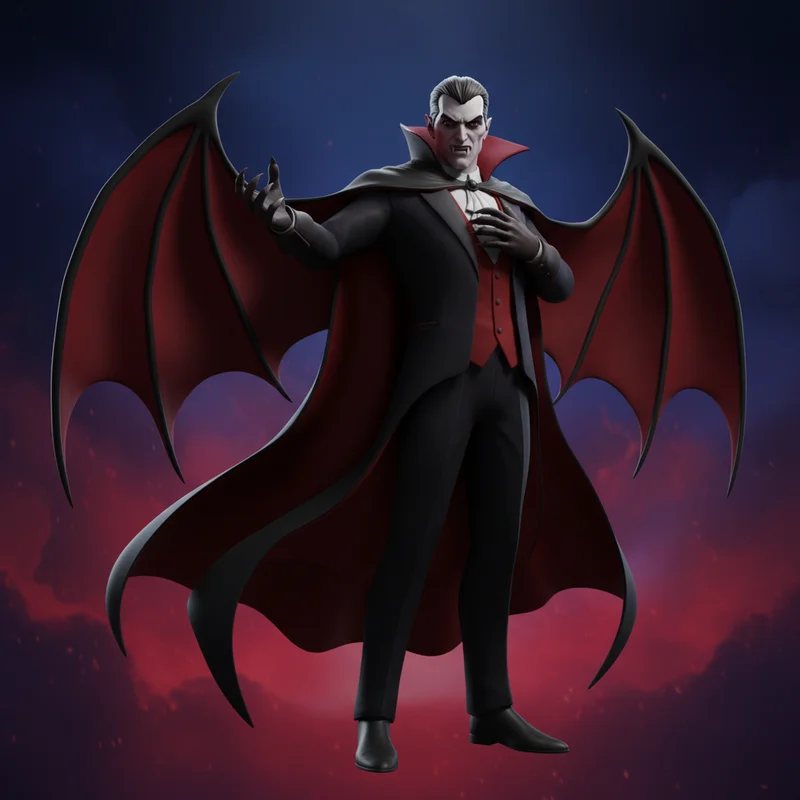
Dracula

Dracula

Original vampire count from Transylvania.

VS
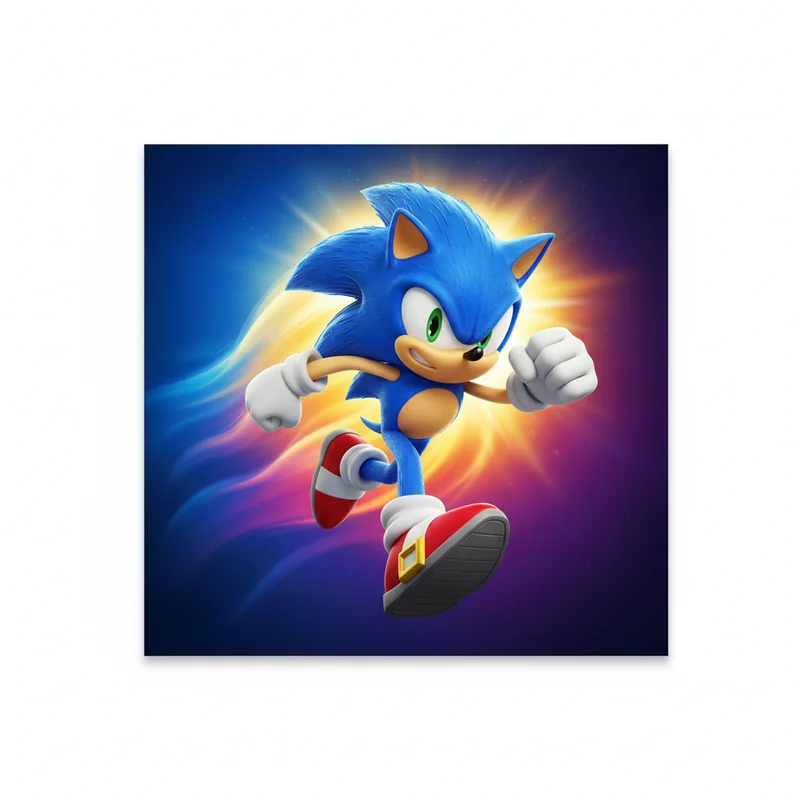
Sonic

Sonic

Blue hedgehog with attitude and speed.

Battle Analysis

Cultural influence Dracula Wins
70%
30%
Dracula Sonic

Dracula

Stoker's creation has fundamentally shaped Western horror. The Count appears in the Guinness World Records as cinema's most frequently portrayed literary character, with actors from Bela Lugosi to Gary Oldman donning the cape. Dracula established vampire conventions that persist today: the aversion to garlic, the mirror absence, the stake through the heart. His influence extends into linguistics itself, with 'Dracula' becoming synonymous with vampirism worldwide, generating an estimated $10 billion in cumulative merchandise and adaptations.

Sonic

The blue hedgehog achieved what few video game characters manage: genuine mainstream penetration. With over 1.5 billion game units sold across the franchise, Sonic rivalled Mario for console supremacy throughout the 1990s. His 2020 film grossed $319 million worldwide, spawning a franchise that continues expanding. Sonic's influence on gaming culture, speedrunning communities, and internet meme generation has proven substantial, though geographically concentrated in Western and Japanese markets.

VERDICT

A century of literary dominance and universal recognition edges gaming's most successful hedgehog
Speed and mobility Sonic Wins
30%
70%
Dracula Sonic

Dracula

The Count's locomotion presents a fascinating paradox. In his bat form, Dracula achieves speeds of approximately 60 miles per hour, whilst his mist transformation allows passage through the smallest apertures. More remarkably, his ability to teleport across distances and his command over weather patterns grant him tactical mobility advantages that transcend conventional physics. However, his famous aversion to running water and the requirement to rest in his native soil impose significant geographical limitations upon his movements.

Sonic

SEGA's documentation establishes Sonic's velocity at a staggering 767 miles per hour, precisely matching the speed of sound at sea level. In-game mechanics suggest he can exceed even this benchmark, with his Super Sonic form approaching light speed. The hedgehog requires no supernatural transformation, no native soil, and suffers no aquatic phobias (merely a charming inability to swim). His figure-eight running technique generates enough friction to ignite certain surfaces, demonstrating biomechanical efficiency that would baffle evolutionary biologists.

VERDICT

Sonic's supersonic baseline velocity utterly eclipses Dracula's various locomotion methods
Combat effectiveness Dracula Wins
70%
30%
Dracula Sonic

Dracula

The Count commands an arsenal of supernatural abilities that would give any opponent pause. Beyond his considerable physical strength, sufficient to bend iron bars, Dracula wields hypnotic powers capable of enslaving minds entirely. His control over wolves, rats, and weather phenomena provides tactical flexibility, whilst his shape-shifting abilities render conventional combat strategies futile. Most troublingly, defeating Dracula requires specific ritual knowledge, holy implements, and precise timing around dawn.

Sonic

Sonic's combat philosophy centres upon velocity as weaponry. His signature spin dash transforms his spiny form into a destructive projectile, whilst the homing attack provides precision strikes against aerial targets. The Chaos Emeralds grant access to Super Sonic form, providing temporary invulnerability and flight capabilities. However, Sonic's approach remains fundamentally physical: he possesses no mind control, no regeneration beyond ring collection, and his effectiveness depends entirely upon maintaining momentum.

VERDICT

Supernatural versatility and near-indestructibility outweigh even supersonic physical attacks
Longevity and endurance Dracula Wins
70%
30%
Dracula Sonic

Dracula

The Count's relationship with time represents perhaps literature's most enviable arrangement. Having persisted since at least the 15th century, Dracula has witnessed the rise and fall of empires, the birth of industry, and the dawn of the digital age. His immortality comes with remarkable regenerative capabilities: wounds that would prove fatal to mortals merely inconvenience him temporarily. Sustained by the blood of the living, he requires no conventional sustenance, eliminating the metabolic inefficiencies that limit mortal lifespans.

Sonic

Sonic's canonical age of fifteen years has remained suspiciously static since 1991, suggesting either arrested development or careful timeline manipulation by SEGA's continuity department. His ring-based health system provides theoretical infinite continuation, yet each hit scatters his accumulated protection. Without supernatural regeneration, Sonic relies upon collectible shields and extra lives, systems that require constant resource acquisition. His endurance, whilst impressive for a hedgehog, remains fundamentally biological.

VERDICT

Five centuries of documented existence comprehensively outranks thirty-three years of ageless stasis
Accessibility and appeal Sonic Wins
30%
70%
Dracula Sonic

Dracula

The Count's appeal carries inherent limitations. His association with blood consumption, death, and corruption restricts his audience to mature consumers comfortable with horror themes. Whilst Dracula has appeared in children's media (notably Sesame Street's Count von Count), these adaptations require significant sanitisation. His core narrative involves seduction, violence, and the violation of Victorian morality, themes that resist family-friendly adaptation without substantial modification.

Sonic

SEGA engineered Sonic for maximum demographic penetration. His bright colours, simple silhouette, and rebellious-yet-harmless attitude appeal to children whilst his nostalgic value captures adult consumers. The franchise maintains strict content guidelines, ensuring universal age ratings across products. Sonic's merchandising potential remains virtually unlimited: from breakfast cereals to branded trainers, his image translates seamlessly across consumer categories, generating ongoing revenue streams impossible for horror properties.

VERDICT

Universal age appeal and merchandising versatility provide superior commercial accessibility
👑

The Winner Is

Dracula

52 - 48

This extraordinary confrontation between Victorian horror and digital-age entertainment ultimately reveals complementary rather than competitive cultural niches. Dracula commands the shadows of mature imagination, offering centuries of literary prestige and the seductive appeal of forbidden immortality. His influence upon horror, romance, and gothic aesthetics remains unmatched by any fictional creation.

Sonic, conversely, represents pure kinetic joy: accessible, family-friendly, and commercially versatile. His speed serves as metaphor for youthful impatience and the gaming industry's appetite for instant gratification. Yet in direct comparison, Dracula's depth, his capacity for reinvention across centuries, and his fundamental reshaping of an entire literary genre grant him the slight advantage. The Count has survived stake, sunlight, and changing tastes for 127 years. The hedgehog, for all his velocity, has merely sprinted for three decades.

Dracula
52%
Sonic
48%

Share this battle

More Comparisons