Where Everything Fights Everything

Dracula vs The Internet

😜 Just for fun — a tongue-in-cheek, gloriously unscientific showdown.

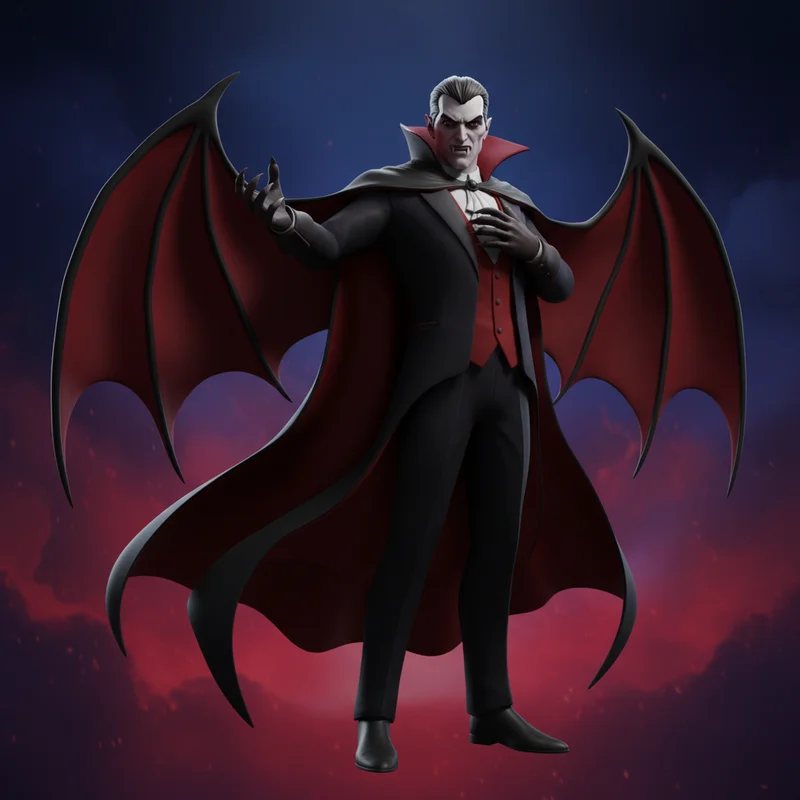
Dracula

Dracula

Original vampire count from Transylvania.

VS
The Internet

The Internet

Global network of information and cat videos.

Battle Analysis

Longevity Dracula Wins
🏆 Dracula takes this round

Dracula

Count Dracula possesses documented immortality spanning several centuries, with literary records suggesting activity since at least the 15th century. His methodology for achieving this remarkable lifespan—the consumption of human blood—whilst ethically questionable, has proven remarkably effective. Unlike technological systems requiring constant updates, Dracula's operational parameters have remained stable for generations, requiring merely regular sustenance and avoidance of direct sunlight.

The Internet

The Internet, in its present form, represents merely five decades of existence, though it demonstrates considerable resilience through distributed architecture. Unlike centralised systems, the network's redundancy ensures that no single point of failure can terminate operations. However, individual components require constant replacement, and the entire system depends upon continued electrical infrastructure and human maintenance—factors that Dracula need not consider.

VERDICT

Biological immortality surpasses technological redundancy when measured across centuries.
Adaptability The Internet Wins
🏆 The Internet takes this round

Dracula

The Count displays considerable biological adaptability—transformation into bat, wolf, or mist form; hypnotic influence over susceptible individuals; command of nocturnal creatures. These capabilities have remained fundamentally unchanged since initial documentation. However, Dracula has shown limited ability to adapt to modernity's challenges: CCTV surveillance, GPS tracking, and the general reduction in available castles present obstacles he has not convincingly addressed.

The Internet

From dial-up modems transmitting at 56 kilobits per second to fibre optic connections exceeding one gigabit, the Internet has demonstrated extraordinary adaptive capacity. The network has seamlessly incorporated mobile devices, streaming video, cryptocurrency, artificial intelligence, and virtual reality. Each technological development has been absorbed and integrated rather than resisted, suggesting an almost organic capacity for evolution.

VERDICT

Continuous technological evolution surpasses static supernatural abilities.
Media presence Dracula Wins
🏆 Dracula takes this round

Dracula

Dracula has appeared in over two hundred films, countless television productions, and innumerable literary works since Stoker's original publication. From Nosferatu to Hotel Transylvania, the character demonstrates remarkable adaptability across genres and tones. Each generation reinterprets the Count according to its anxieties, ensuring perpetual relevance. No other fictional character has sustained such consistent media attention across three centuries.

The Internet

The Internet does not merely appear in media—it has become the primary distribution mechanism for media itself. Streaming services, social platforms, and digital publications have fundamentally restructured how content reaches audiences. However, as a subject of narrative focus rather than a delivery mechanism, the Internet's dramatic portability proves limited, often reduced to hackers typing rapidly or sinister countdown timers.

VERDICT

As a narrative subject, Dracula demonstrates superior dramatic versatility.
Global recognition The Internet Wins
🏆 The Internet takes this round

Dracula

The Count's image has achieved remarkable penetration across global cultures, with the cape-and-fangs iconography recognised even in societies with no traditional vampire mythology. However, this recognition remains primarily symbolic—the average individual has not personally encountered Dracula, and confusion persists regarding whether he represents a specific literary character or a generic vampire archetype.

The Internet

With an estimated five billion active users as of 2024, the Internet has achieved a level of practical recognition unprecedented in human history. From rural villages to urban centres, from research institutions to households, the network's presence has become so ubiquitous that its absence is more notable than its existence. Unlike Dracula, the Internet is not merely recognised but actively utilised daily by the majority of humanity.

VERDICT

Five billion daily users exceeds any measure of cultural iconography alone.
Intimidation factor The Internet Wins
🏆 The Internet takes this round

Dracula

The Count remains one of horror's most enduring figures of menace. His threat operates on primal levels—violation of bodily autonomy, corruption of the innocent, the transformation of victims into agents of further harm. The vampire's intimidation derives from personal, intimate danger: he does not merely kill but converts, making his victims complicit in his predation. This psychological dimension elevates Dracula beyond mere physical threat.

The Internet

The Internet's intimidation operates through different mechanisms: data breaches exposing private information, algorithmic manipulation of behaviour, the permanent archival of youthful indiscretions, and the ever-present possibility of public shaming. Unlike Dracula's localised menace, the Internet threatens simultaneously—there is no geographical escape from its reach, no invitation required for its intrusion into one's existence.

VERDICT

Omnipresent surveillance proves more consistently threatening than localised vampirism.
👑

The Winner Is

The Internet

Takes 3 of 5 rounds

Following comprehensive analysis across five evaluative criteria, The Internet emerges with a decisive advantage of 58 to 42 percent. Whilst Dracula demonstrates superior longevity and maintains unparalleled narrative presence in media, these advantages cannot overcome The Internet's sheer scale of influence. The Count, for all his centuries of operation, has converted relatively few victims to his cause. The Internet, by contrast, has successfully drawn five billion individuals into regular engagement, fundamentally restructuring human society within three decades.

Share this battle

More Comparisons