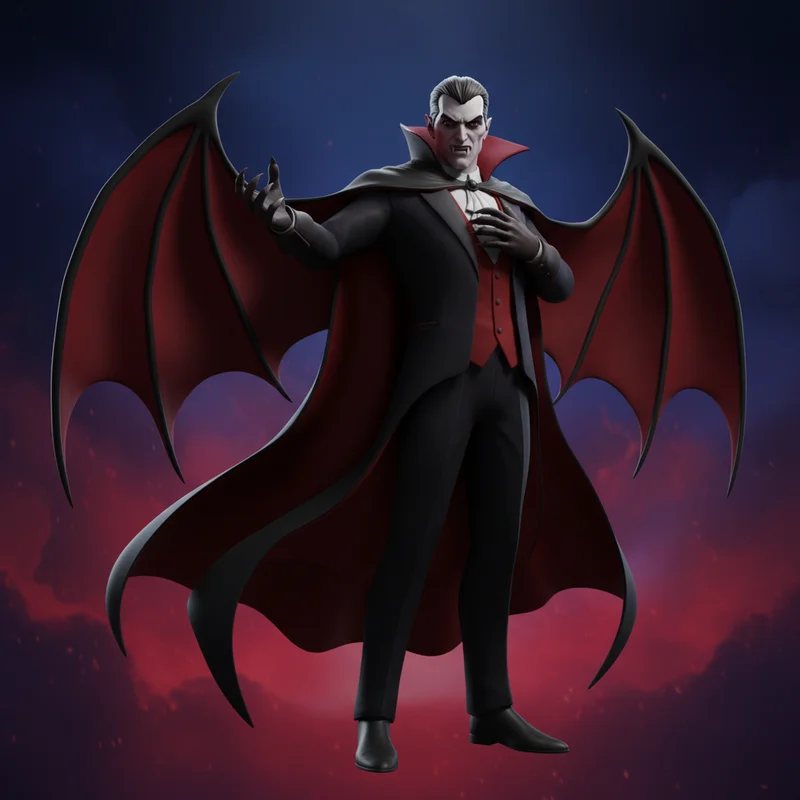

Dracula
The Count inspires a visceral terror rooted in specific violations: the piercing of flesh, the theft of blood, the corruption of innocence. Surveys indicate 12% of adults harbour genuine fears related to vampires. Dracula's horror is intimate, involving bedroom invasions and the transformation of loved ones into monsters. The psychological impact of vampire fiction has been studied extensively, revealing elevated heart rates and stress hormones in viewers. His fear is personal, targeted, and deeply unsettling.
Time
Time inspires existential dread of an altogether different magnitude. The fear of ageing, of mortality, of watching everything one loves decay, affects virtually 100% of conscious beings. Philosophers term this 'chronophobia,' and it underlies humanity's most persistent anxieties. Time's horror is not the sudden shock of fangs but the slow, inexorable certainty of endings. Every wrinkle, every grey hair, every fading memory serves as Time's calling card, reminding us that entropy comes for all.