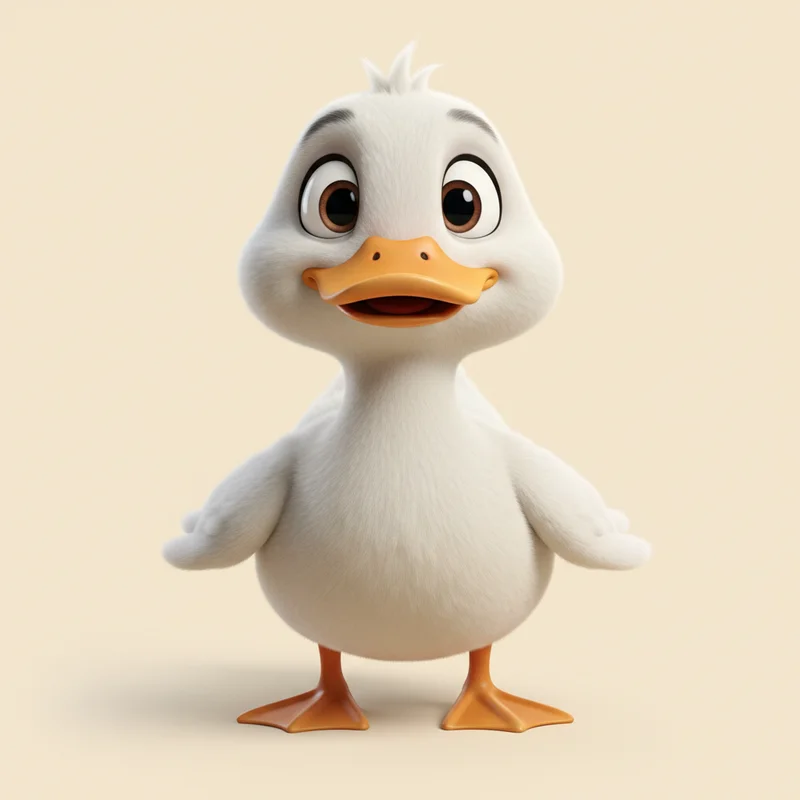
Duck
Ducks exhibit adaptability that borders on the miraculous. They occupy every continent except Antarctica, thriving in environments ranging from Arctic tundra to tropical wetlands, urban parks to open oceans. Their dietary flexibility encompasses aquatic plants, insects, crustaceans, seeds, small fish, and human-provided bread—despite the latter's dubious nutritional value. The mallard alone has established feral populations on six continents through sheer adaptability.
Physiologically, ducks possess remarkable capabilities. Their waterproof feathers, maintained through preen gland secretions, provide insulation in water temperatures that would induce hypothermia in mammals within minutes. The countercurrent heat exchange system in their legs prevents freezing whilst standing on ice. Ducks can sleep with one eye open, maintaining vigilance whilst resting. Their migratory capabilities allow seasonal relocation across thousands of kilometres, following optimal conditions with precision that shames human weather forecasting.
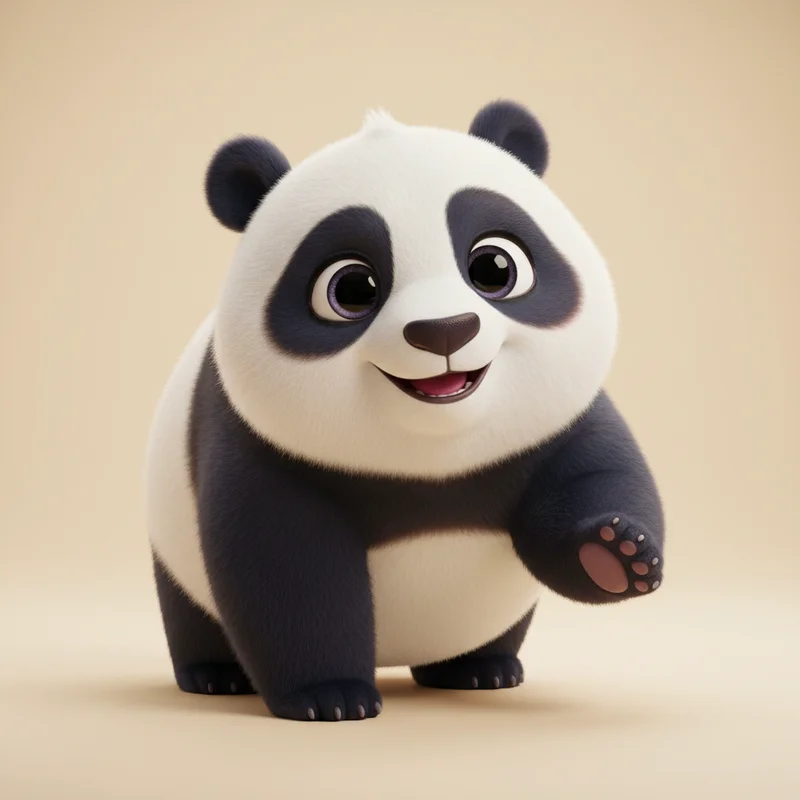
Panda
The giant panda represents one of evolution's more perplexing decisions. A bear that abandoned the carnivorous lifestyle of its ancestors to subsist almost entirely on bamboo—a plant providing so little nutrition that pandas must consume 12 to 38 kilograms daily merely to survive. Their digestive system remains that of a carnivore, profoundly unsuited to processing cellulose. This dietary commitment restricts pandas to elevations between 1,200 and 3,400 metres in a handful of Chinese provinces. When bamboo forests experience periodic die-offs, pandas cannot simply relocate or switch food sources; they starve.
The species' reproductive rate compounds these limitations. Female pandas are fertile for approximately 24 to 36 hours annually. Cubs are born blind, weighing merely 100 grams—roughly 1/900th of their mother's weight. This combination of dietary inflexibility and reproductive inefficiency has rendered the panda entirely dependent upon human conservation efforts for survival.