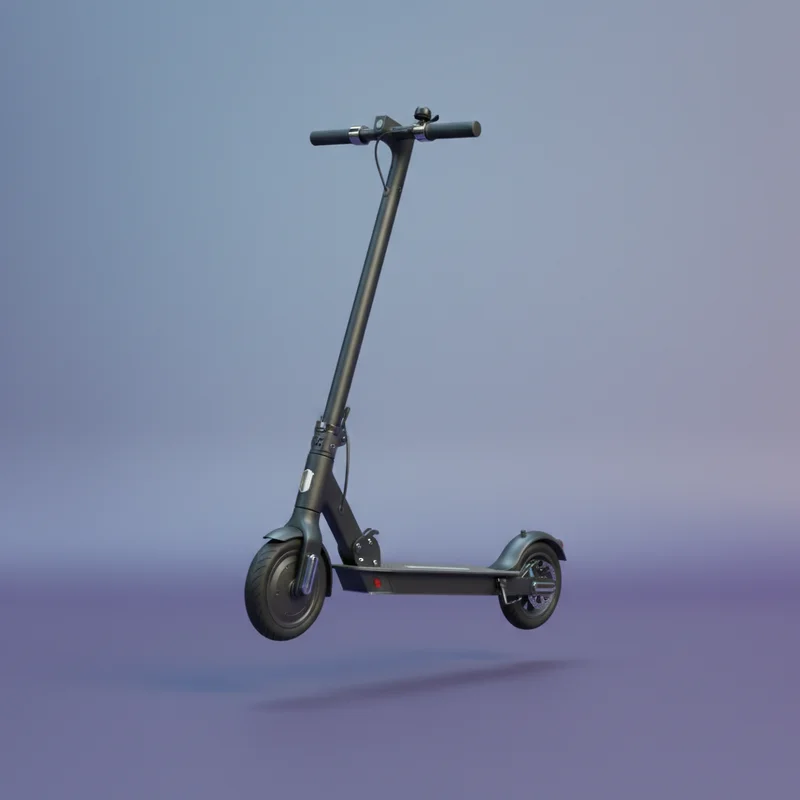

Electric Scooter
The modern electric scooter achieves a maximum velocity of approximately 25-30 kilometres per hour, a speed deemed sufficient for getting to the corner shop but dangerously illegal in most pedestrian zones. This velocity, whilst modest, remains achievable within seconds of stepping aboard. The scooter's speed is democratically accessible—anyone with functioning limbs and approximately two hundred pounds can achieve it.
The acceleration profile follows a predictable curve, limited primarily by battery output and the rider's nerve. Hills present a notable challenge, reducing speed to what can only be described as walking pace with extra steps.
Astronaut
The astronaut, when properly housed within their spacecraft, routinely achieves velocities of 28,000 kilometres per hour in low Earth orbit—a figure that renders the electric scooter's performance somewhat quaint. During missions to the Moon, astronauts have exceeded 39,000 kilometres per hour. To reach Mars, velocities approaching 58,000 kilometres per hour become necessary.
However, one must acknowledge the considerable preparation time: years of training, months of mission planning, and hours of countdown sequences. The astronaut cannot simply step outside and achieve orbital velocity. The speed is spectacular, but the convenience is notably absent.