
Topic Battle

Where Everything Fights Everything

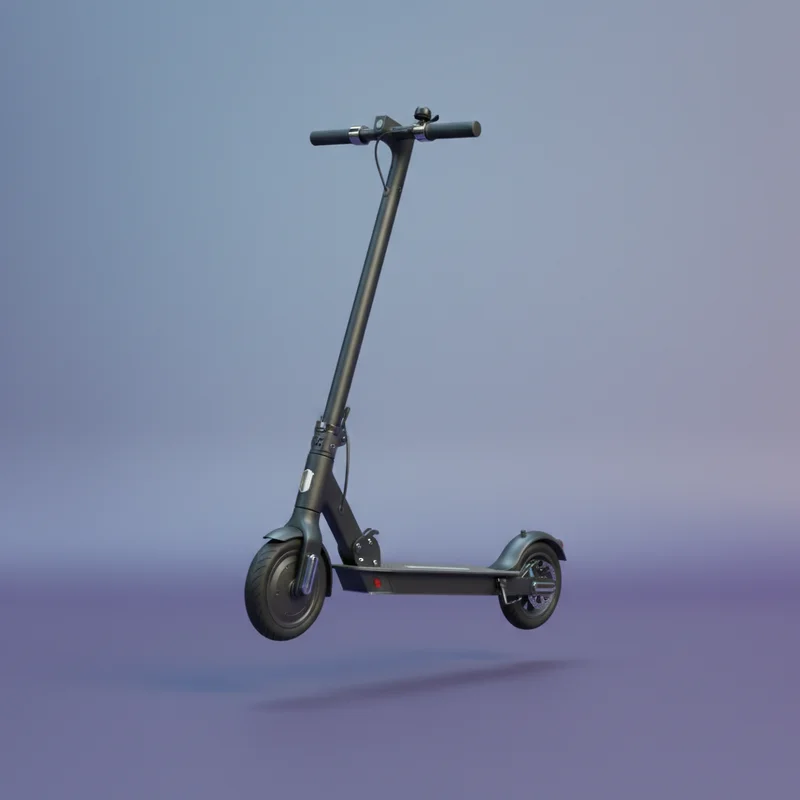
Electric Scooter

Electric Scooter

A vehicle that makes you question both transportation and dignity simultaneously. Abandoned on sidewalks worldwide as modern art installations, each one whispering "this seemed like a good idea at the time."

VS
Dog

Dog

Loyal canine companion celebrated for unconditional love, tail wagging, and being humanity's best friend for millennia.

Battle Analysis

Speed electric-scooter Wins
30%
70%
Electric Scooter Dog

Electric Scooter

Dog

The canine propulsion system varies dramatically by model. The Greyhound, nature's sports car, achieves speeds of 72 kilometres per hour in short bursts that would make any scooter weep with inadequacy. However, the average domestic dog cruises at a more modest 20-25 kilometres per hour and maintains this for approximately three minutes before discovering an irresistible smell.

The dog's speed is fundamentally unreliable. Direction is determined not by the operator but by squirrels, other dogs, and invisible scents left by neighbourhood cats in 2019. What the dog lacks in consistency, it compensates for with enthusiasm levels that border on clinical.

VERDICT

The scooter offers predictable, sustained velocity without the distraction of squirrels or fire hydrants.
Longevity dog Wins
30%
70%
Electric Scooter Dog

Electric Scooter

Dog

The domestic dog commits to a relationship of 10 to 15 years, depending on breed and fortune. This is not mere longevity; this is the creation of shared history. The dog witnesses your life changes, your triumphs, your questionable haircut phases. It ages alongside you, grey muzzle mirroring grey temples.

Unlike the scooter, the dog does not become obsolete. An elderly dog is not a malfunctioning unit awaiting replacement but a senior companion deserving of soft beds and gentle walks. The bond deepens with time rather than degrading with charge cycles.

VERDICT

The dog offers a decade or more of deepening companionship versus the scooter's planned obsolescence cycle.
Reliability dog Wins
30%
70%
Electric Scooter Dog

Electric Scooter

Dog

The dog has been reliability-tested across 15 millennia of human partnership. It functions in rain, snow, heat, and the peculiar British weather condition known as 'drizzly grey.' The dog requires no charging stations, no firmware updates, and no warranty extensions.

Admittedly, reliability manifests differently in canine form. The dog will reliably wake you at 6 AM. It will reliably bark at the postman. It will reliably destroy one household item per month, selected through a process of devastating randomness. This is not malfunction; this is feature.

VERDICT

The dog operates continuously for 10-15 years with predictable if sometimes inconvenient reliability.
Entertainment value dog Wins
30%
70%
Electric Scooter Dog

Electric Scooter

Dog

The domestic dog is essentially a 24-hour entertainment system wrapped in fur and powered by kibble. It chases balls with an intensity suggesting the fate of civilisation depends upon retrieval. It greets returning owners as though they have been absent for decades rather than forty-five minutes.

Each dog contains approximately 10,000 unique behaviours, ranging from the dignified to the profoundly embarrassing. The tail wag alone communicates more emotional range than most feature films. The dog dreams, twitching and making small sounds that suggest it is chasing rabbits through some private, magnificent landscape.

VERDICT

The dog provides unpredictable, emotionally engaging entertainment that no battery-powered device can replicate.
Environmental impact electric-scooter Wins
30%
70%
Electric Scooter Dog

Electric Scooter

Dog

The environmental pawprint of the domestic dog is surprisingly substantial. A medium-sized dog produces approximately 770 kilograms of CO2 equivalent annually, primarily through meat-based dietary requirements. The manufacturing of dog food, treats, and accessories constitutes an industry of considerable ecological weight.

However, the dog is biodegradable, self-replicating, and operates on renewable resources. It produces fertiliser as a byproduct of normal operation. The dog encourages walking, reducing reliance on motorised transport. One might argue the dog's net environmental impact depends entirely upon whether it replaces or supplements car journeys.

VERDICT

Despite manufacturing concerns, the scooter produces lower lifetime emissions than feeding a carnivore for a decade.
👑

The Winner Is

Dog

45 - 55

The data presents a surprisingly close contest between lithium-powered transportation and four-legged companionship. The electric scooter excels in precisely the domains one might expect from a machine: speed, predictability, and measurable environmental metrics. It asks nothing of its operator beyond occasional charging and does not require emotional investment.

The dog, by contrast, demands everything and offers everything in return. It is less efficient, less predictable, and substantially more expensive when one factors in veterinary bills, destroyed furniture, and the inexplicable need for novelty toys. Yet it provides something no scooter can manufacture: a relationship that grows richer with each passing year.

In the final analysis, the choice between scooter and dog is not truly about transportation or companionship. It is about what one values in the finite years of human existence: efficiency or connection, speed or soul.

Electric Scooter
45%
Dog
55%

Share this battle

More Comparisons