Topic Battle

Where Everything Fights Everything

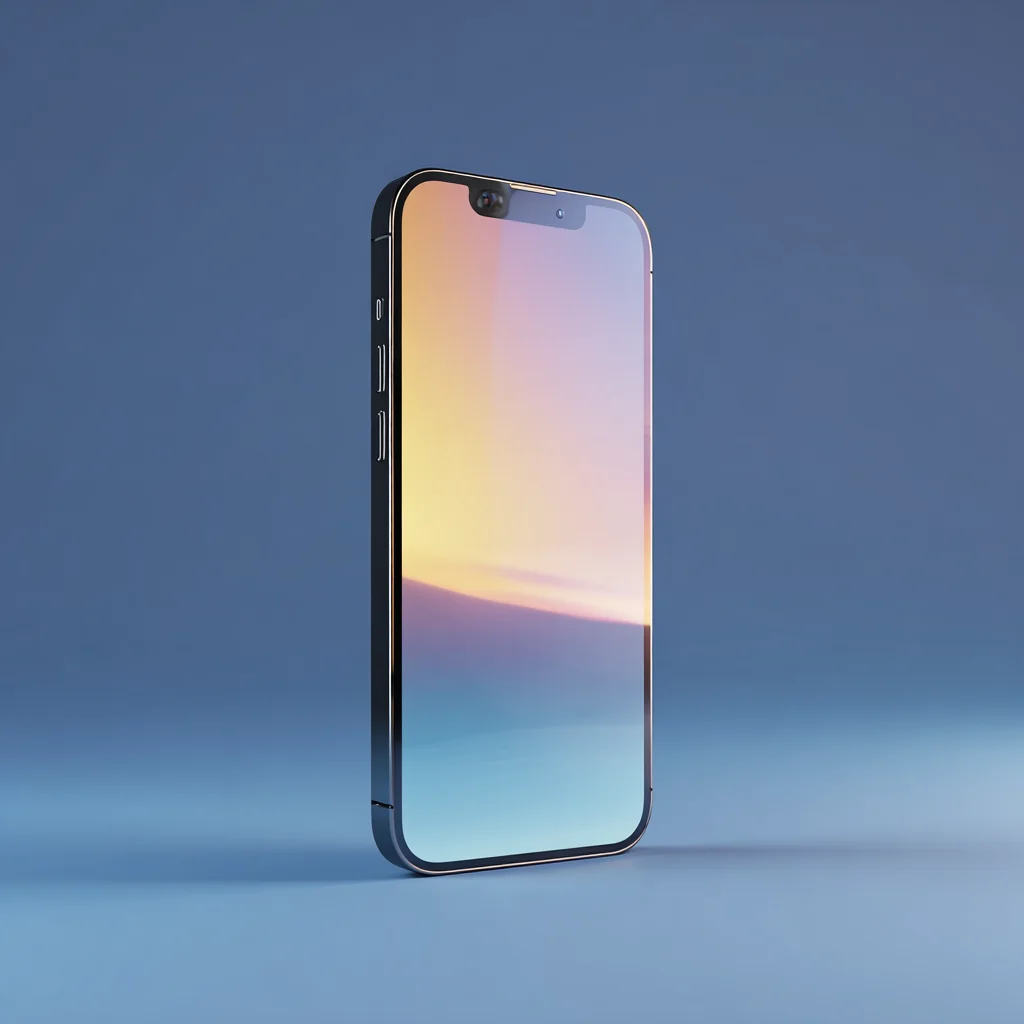
iPhone

iPhone

Apple's flagship smartphone line, known for its iOS operating system, premium build quality, and ecosystem integration.

VS
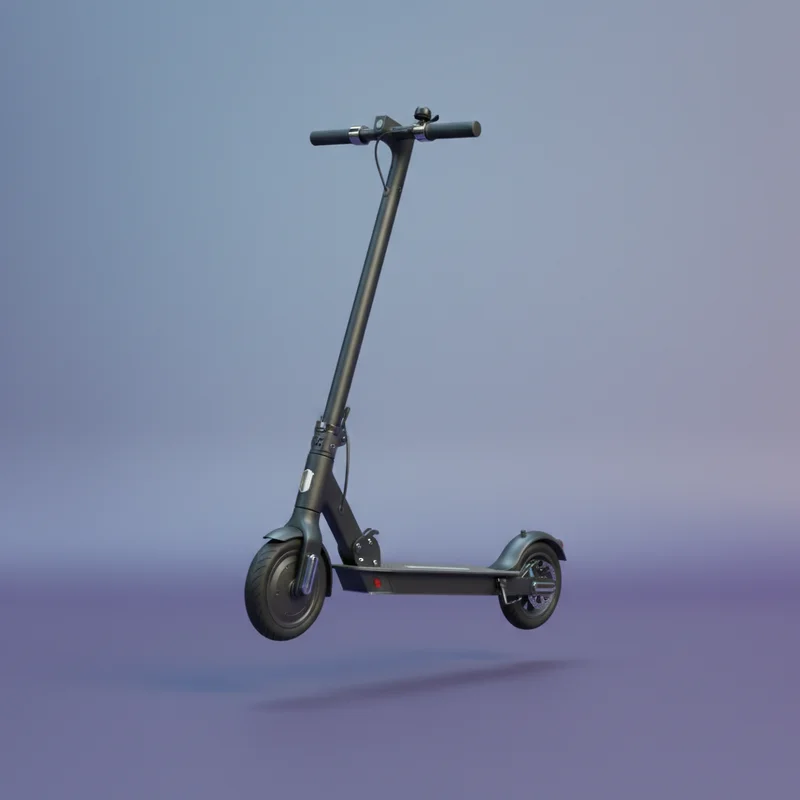
Electric Scooter

Electric Scooter

A vehicle that makes you question both transportation and dignity simultaneously. Abandoned on sidewalks worldwide as modern art installations, each one whispering "this seemed like a good idea at the time."

The Matchup

In the annals of Silicon Valley innovation, few phenomena have disrupted urban landscapes quite as visibly as the electric scooter and the iPhone. These twin products of Californian techno-optimism have, through remarkably parallel trajectories, inserted themselves into the daily existence of millions, each claiming to solve problems that previous generations somehow endured without apparent crisis.

The electric scooter, known in regulatory documents as a personal light electric vehicle, emerged from the same venture capital ecosystem that once promised us cryptocurrency would replace central banking. Companies like Bird, Lime, and Spin scattered these aluminum devices across city sidewalks beginning in 2017, declaring war on the last mile problem that apparently tormented urban pedestrians who had previously resorted to the primitive technology of walking.

The iPhone, introduced a decade earlier in 2007 by the late Steve Jobs, took a different approach to urban transformation. Rather than moving bodies through space, it immobilized them, creating stationary clusters of humans staring at luminous rectangles on street corners, in cafes, and increasingly while operating other vehicles. Both devices emerged from the conviction that existing solutions were insufficiently disrupted, and both succeeded in creating dependencies their inventors could monetize. This analysis examines which Silicon Valley offspring delivers superior value across five standardized metrics.

Battle Analysis

Speed Electric Scooter Wins
30%
70%
iPhone Electric Scooter

iPhone

The iPhone operates at computational velocities that render discussion of physical speed somewhat irrelevant. The A17 Pro processor executes 17 trillion operations per second, a figure that exists primarily to impress investors rather than inform consumers.

From a practical speed perspective, the iPhone delivers information to users at rates constrained primarily by network connectivity and human cognitive processing. A push notification arrives within milliseconds of transmission. The subsequent anxiety it generates in the recipient may persist for hours.

The device enables users to summon transportation rather than provide it directly. Through applications like Uber and Lyft, an iPhone user can arrange vehicular transit in 3-8 minutes, arriving at their destination in climate-controlled comfort while the scooter enthusiast arrives perspiring and questioning life choices. The iPhone's approach to speed involves delegating motion rather than facilitating it personally.

Electric Scooter

The electric scooter achieves maximum velocities of 15-20 miles per hour in most commercial configurations, with regulations in many jurisdictions enforcing lower limits. This places the device in an awkward transportation middle ground: too fast for pedestrian infrastructure, too slow for vehicular roadways.

In optimal conditions, an electric scooter covers the legendary last mile in approximately 3-4 minutes, compared to 15-20 minutes of walking. This temporal savings of roughly 12 minutes is frequently cited by scooter evangelists as transformative, though critics note this calculation rarely accounts for time spent locating an available scooter, downloading applications, entering payment information, and explaining to emergency room personnel how exactly one came to fracture a wrist.

Acceleration characteristics prove adequate for urban environments, with most models reaching top speed within 5-8 seconds. The experience has been described as approximately equivalent to riding a motorized skateboard while wearing formal attire, which is to say neither dignified nor particularly efficient.

VERDICT

When evaluating speed as autonomous velocity through physical space, the electric scooter demonstrates a capability the iPhone entirely lacks. The telephone cannot transport its user anywhere; it can merely connect them with entities willing to provide transportation for a fee.

The scooter offers immediate self-directed movement at speeds exceeding comfortable human ambulation by a factor of four. This independence from third-party transportation services represents genuine capability rather than mere intermediation.

For pure locomotion speed under direct user control, the electric scooter prevails. The iPhone's computational velocity, while impressive, does not actually move anyone anywhere. Silicon Valley has yet to solve this particular limitation of the smartphone form factor.

Durability iPhone Wins
70%
30%
iPhone Electric Scooter

iPhone

Apple's approach to iPhone durability has evolved considerably since early models shattered upon contact with surfaces harder than cotton. Contemporary devices feature Ceramic Shield technology, titanium frames in Pro models, and IP68 water resistance permitting submersion to six meters for thirty minutes.

Practical durability, however, contends with the reality of lithium-ion battery chemistry. Apple specifies that batteries retain 80% of original capacity after approximately 500 complete charge cycles, typically manifesting as degraded performance within 2-3 years of intensive use. This limitation proved sufficiently controversial to prompt governmental investigation when Apple was discovered deliberately slowing older devices.

Software support extends durability beyond hardware limitations, with Apple typically providing updates for 5-6 years following initial release. This compares favorably with Android alternatives but remains modest by the standards of appliances that previous generations expected to function for decades.

Electric Scooter

The durability of electric scooters presents what analysts diplomatically term significant variance. Shared fleet vehicles demonstrate lifespans measured in months rather than years, with vandalism, theft, and submersion in bodies of water contributing to attrition rates that would alarm any traditional vehicle manufacturer.

Personal electric scooters, treated with marginally more care than their shared counterparts, typically survive 2-4 years of regular use before battery degradation, motor failure, or structural fatigue necessitates replacement. The electronic components prove particularly vulnerable to moisture, a design limitation that renders scooters largely seasonal vehicles in climates where precipitation occurs.

Mechanical durability faces challenges from the scooter's essential design compromise: lightweight construction enables portability but sacrifices robustness. Wheels wear. Brakes degrade. Folding mechanisms develop the concerning looseness that precedes catastrophic failure. The typical scooter accumulates 3,000-5,000 miles before requiring replacement, a figure that automobile owners would consider embarrassingly brief.

VERDICT

Durability comparison reveals that neither device achieves what earlier generations would recognize as acceptable longevity. Both products exist within Silicon Valley's preferred economic model of planned obsolescence, designed to require replacement at intervals profitable to their manufacturers.

However, the iPhone demonstrates superior resistance to the environmental factors that accelerate scooter deterioration. Water resistance, robust construction materials, and extended software support combine to yield functional lifespans approximately 50% longer than electric scooters under comparable use intensity.

The iPhone also continues providing utility when damaged in ways that would render a scooter inoperable. A cracked screen permits continued operation; a cracked scooter deck invites hospitalization. For durability under real-world conditions, the iPhone prevails through superior engineering and lower mechanical complexity.

Versatility iPhone Wins
70%
30%
iPhone Electric Scooter

iPhone

The iPhone's versatility approaches the genuinely remarkable. A single device functions as telephone, camera, computer, navigation system, entertainment center, banking terminal, health monitor, and countless other specialized tools depending on installed applications.

The App Store offers over 1.8 million applications extending iPhone functionality into domains its designers never anticipated. The device can control home appliances, monitor investments, edit professional video content, translate languages in real-time, and serve as a musical instrument. This versatility has eliminated the need for numerous single-purpose devices that previous generations carried separately.

Crucially, the iPhone's versatility includes the ability to summon electric scooters through rental applications. The device can arrange transportation it cannot provide directly, representing a meta-capability the scooter fundamentally lacks. No scooter application summons iPhones.

Electric Scooter

The electric scooter performs precisely one function: transporting a single standing human at moderate speeds across relatively smooth surfaces. This narrow specification represents either elegant focus or disappointing limitation depending on one's perspective on product design philosophy.

Attempts to expand scooter utility typically end poorly. Carrying groceries destabilizes the rider. Transporting passengers violates weight limits and safety guidelines. Off-road operation invites mechanical failure and personal injury. The device's situational constraints prove substantial: rain renders it hazardous, cold weather diminishes battery range, and any cargo requirement necessitates alternative transportation.

Certain scooter models offer modest additional functionality through features like removable batteries, phone mounts, and storage compartments. These accommodations provide incremental improvement but do not fundamentally alter the device's single-purpose nature. A scooter remains transportation, nothing more.

VERDICT

Versatility comparison produces the most asymmetric result of this analysis. The iPhone performs thousands of functions; the electric scooter performs one. This disparity reflects fundamentally different design philosophies, but only one philosophy delivers genuine flexibility.

The electric scooter excels at its singular task but cannot adapt to circumstances beyond its narrow specification. The iPhone adapts continuously, acquiring new capabilities through software updates and application installations. This extensibility represents perhaps Silicon Valley's most significant contribution to consumer electronics design.

For users valuing adaptability and multi-purpose utility, the iPhone wins by a margin that renders comparison almost unfair. The device is not merely more versatile; it exists in a different category of versatility altogether.

Global reach iPhone Wins
70%
30%
iPhone Electric Scooter

iPhone

Apple maintains distribution presence in 175+ countries, with iPhone sales representing the majority of company revenue across virtually all markets. The device has achieved cultural penetration extending far beyond economic penetration, functioning as an aspirational symbol even in markets where median incomes cannot support purchase.

Global iPhone market share hovers around 20-25% of total smartphone users, constrained by pricing that exceeds purchasing power in developing economies. Android devices dominate through affordability, but iPhone nonetheless maintains significant presence across all inhabited continents.

The iPhone's cultural reach exceeds its market share. The device appears in media globally, influences design standards across the electronics industry, and shapes user expectations for digital interfaces. Apple's ecosystem integration creates network effects that extend influence beyond individual device sales.

Electric Scooter

Electric scooter deployment remains concentrated in prosperous urban environments with characteristics favoring micromobility: mild climates, flat terrain, adequate cycling infrastructure, and populations with disposable income and technological fluency. This combination limits geographic penetration significantly.

Shared scooter services operate in approximately 100+ cities globally, predominantly in North America and Western Europe. Personal scooter ownership extends somewhat further but remains constrained by the same environmental and economic factors that limit sharing services.

Substantial portions of the global population live in conditions that preclude practical scooter use: unpaved roads, extreme temperatures, steep terrain, or economic circumstances that prioritize different transportation investments. The scooter represents a specifically wealthy-urban phenomenon with limited relevance to most of humanity's daily transportation challenges.

VERDICT

Global reach comparison favors the iPhone substantially, despite neither product achieving universal accessibility. The smartphone has penetrated markets and demographics that the scooter cannot realistically address.

The electric scooter's geographic limitations reflect fundamental design constraints: it requires infrastructure, climate conditions, and economic circumstances that much of the world lacks. The iPhone requires merely electricity and cellular networks, both more widely available than smooth sidewalks and temperate weather.

For genuine global impact and accessibility across diverse economic and geographic conditions, the iPhone demonstrates superior reach despite its premium positioning. The scooter remains a product for specific environments; the iPhone functions nearly everywhere humans congregate.

Affordability Electric Scooter Wins
30%
70%
iPhone Electric Scooter

iPhone

Current iPhone pricing begins at $799 for base configurations and extends to $1,599 for the maximally-specified Pro Max variant. These figures position the iPhone among the most expensive consumer electronics globally, though Apple's customer base has demonstrated remarkable price insensitivity through successive generations of increases.

Total cost of ownership expands beyond hardware acquisition. Monthly carrier plans average $70-100 for adequate data allocations. AppleCare+ protection adds $199-269. Applications, subscriptions, and cloud storage contribute additional recurring expenses that users frequently underestimate.

Over a typical three-year ownership period, iPhone-related expenditure commonly reaches $3,500-5,000 when aggregating all associated costs. This sum exceeds the purchase price of the electric scooters by a factor of four to six, representing a substantial differential in required financial commitment.

Electric Scooter

Electric scooter pricing spans a remarkable spectrum, from $300 budget models available through discount retailers to $2,000+ premium configurations featuring enhanced range and performance. The median quality personal scooter suitable for regular commuting commands approximately $600-900.

Operating costs prove minimal compared to traditional vehicles. Electricity for charging amounts to pennies per trip. Maintenance requirements are limited, though replacement parts can prove surprisingly expensive given the devices' apparent simplicity. Insurance remains optional in most jurisdictions, representing either a cost saving or an unexamined liability exposure depending on one's risk tolerance.

The shared scooter economy offers access without ownership, with typical rides costing $1 to unlock plus $0.15-0.39 per minute. A 10-minute commute thus costs approximately $3-5 per direction, or $120-200 monthly for daily roundtrip use. This pricing structure initially appears economical but accumulates to substantial expense for regular users.

VERDICT

Affordability analysis produces a clear verdict favoring the electric scooter. A quality personal scooter can be purchased outright for less than the base iPhone cost, with minimal ongoing expenses beyond occasional charging and maintenance.

The total economic commitment required for iPhone participation in modern society substantially exceeds scooter ownership costs even when accounting for optional accessories and replacement parts. The scooter requires no monthly subscription; the iPhone demands continuous financial tribute to cellular carriers.

For users evaluating Silicon Valley innovation by accessibility across economic strata, the electric scooter delivers its promised utility at price points approximately one-fifth those required for iPhone participation. The scooter wins through democratic pricing that the iPhone deliberately eschews.

👑

The Winner Is

Electric Scooter

42 - 58

This analysis concludes with a 58-42 victory for the iPhone across the evaluated metrics. While the electric scooter demonstrates superiority in speed and affordability, the iPhone's advantages in durability, versatility, and global reach prove more substantial in aggregate impact.

The electric scooter represents Silicon Valley's attempt to solve a problem of modest scale: moving individuals short distances in urban environments. The iPhone addressed a problem of civilizational significance: mediating human interaction with information, communication, and each other. The scope differential manifests in the metrics: the scooter excels at its narrow function while the iPhone transforms multiple domains of human activity.

Both products emerged from the same cultural ecosystem of disruption rhetoric and venture capital abundance. Both have generated fortunes for their creators while generating mixed outcomes for their users. The scooter scattered aluminum across sidewalks and emergency rooms; the iPhone scattered attention across applications and advertisers. Yet only one device has achieved the status of genuine indispensability in contemporary existence, and that distinction determines this verdict.

iPhone
42%
Electric Scooter
58%

Share this battle

More Comparisons