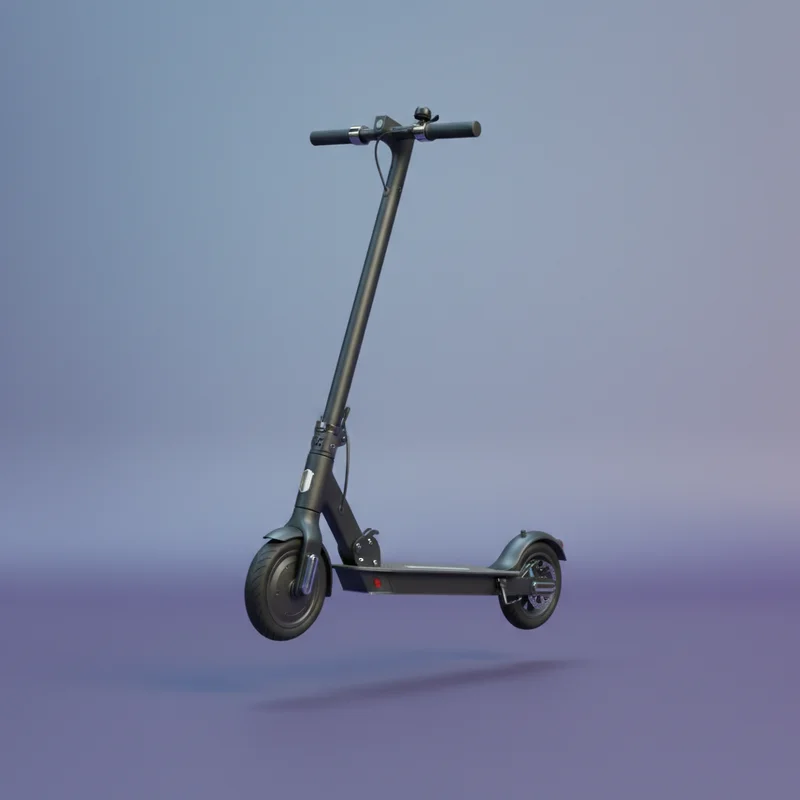

Electric Scooter
The modern electric scooter achieves speeds of 15 to 25 miles per hour, depending on model specifications and local regulations designed to prevent enthusiasts from treating urban pavements as personal racetracks. In controlled testing environments, premium models have reached speeds exceeding 40 mph, though such velocities are generally discouraged by manufacturers, municipal authorities, and basic survival instincts.
The acceleration profile of an electric scooter follows a predictable curve, with most units reaching their maximum velocity within 8 to 12 seconds. This performance metric has made them particularly popular among commuters who have developed an adversarial relationship with traffic lights.
Rubber Duck
The rubber duck maintains a consistent velocity of precisely zero miles per hour under its own power, a specification that has remained unchanged since the product's introduction in the late 19th century. This represents either a remarkable commitment to design stability or a fundamental limitation, depending on one's philosophical orientation.
When subjected to external forces such as bath currents or the enthusiastic splashing of a small child, rubber ducks have been observed achieving transient velocities of up to 3 feet per second. However, these speeds are neither self-generated nor sustainable, and the duck invariably returns to its default stationary state once perturbations cease.