Topic Battle

Where Everything Fights Everything

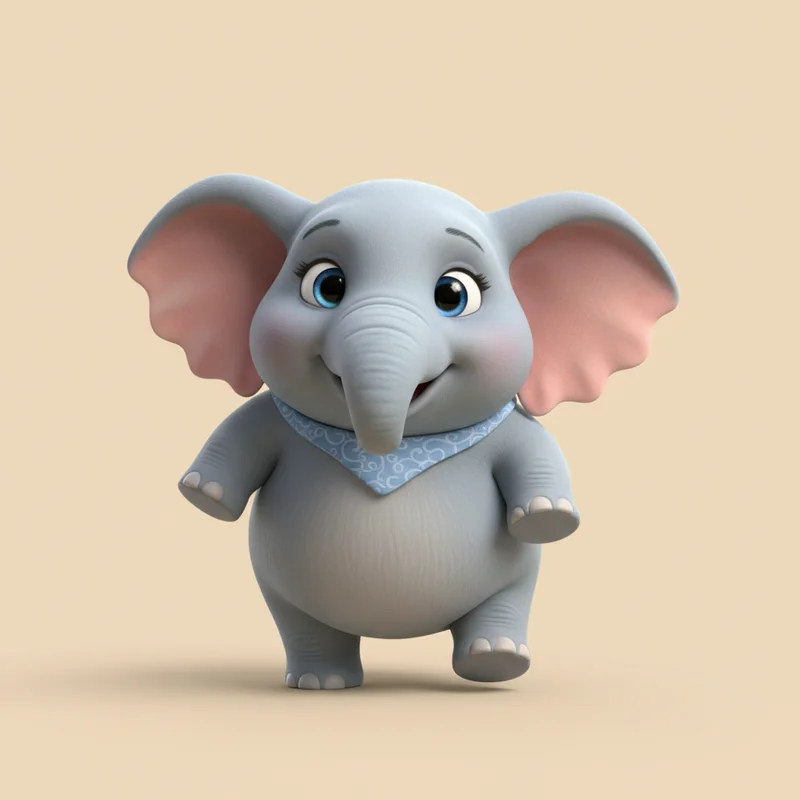
Elephant

Elephant

Earth's largest land mammal with remarkable memory, complex social bonds, and trunk-based problem solving.

VS
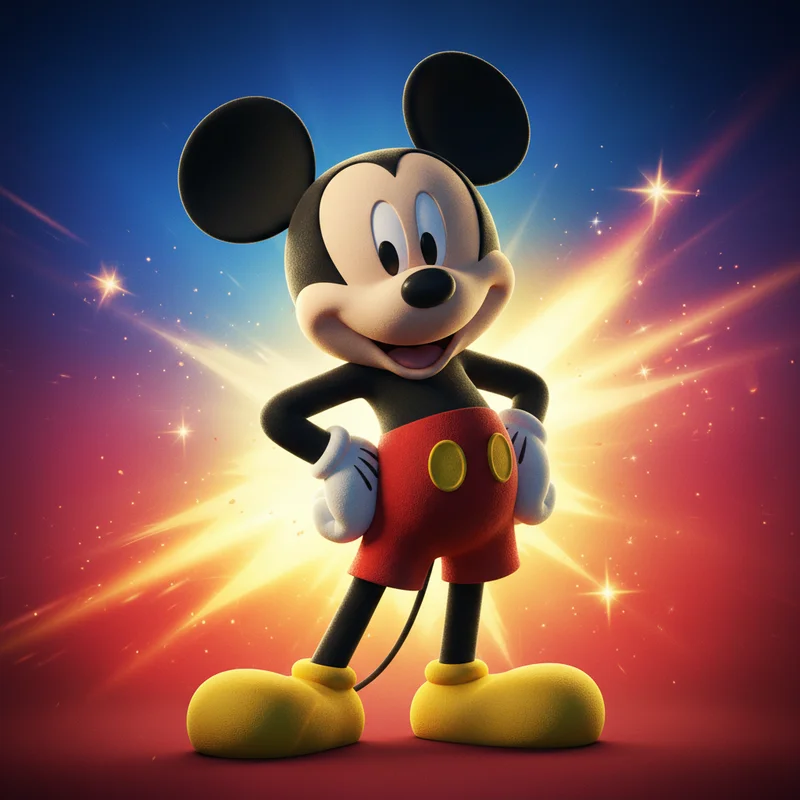
Mickey Mouse

Mickey Mouse

Disney's original mascot and corporate icon.

Battle Analysis

Longevity elephant Wins
70%
30%
Elephant Mickey Mouse

Elephant

The elephant's tenure on Earth demands respect measured in geological time. Proboscideans have walked the planet for approximately 60 million years, surviving ice ages, continental drift, and mass extinctions that eliminated countless competitor species. Individual elephants achieve lifespans of 60-70 years, with some documented specimens exceeding 80. Their matriarchal societies maintain knowledge across generations, creating institutional memory that outlasts most human organisations. The African elephant's DNA has remained remarkably stable across millions of years, suggesting evolutionary optimisation achieved long before mammals developed the capacity to animate mice.

Mickey Mouse

Mickey Mouse entered existence on 18 November 1928, making him precisely 96 years old at time of analysis. In trademark terms, this longevity proves remarkable; most commercial characters fade within decades. Mickey has survived the Great Depression, World War II, cultural revolutions, and the transition from analogue to digital media. The character has been reinterpreted for each generation whilst maintaining core identity—a feat of brand management unmatched in commercial history. However, Mickey's existence depends entirely on continued corporate interest and intellectual property renewal. The elephant requires only habitat; Mickey requires lawyers.

VERDICT

Sixty million years of evolutionary persistence outweighs 96 years of trademark renewal.
Economic impact mickey_mouse Wins
30%
70%
Elephant Mickey Mouse

Elephant

Elephants generate substantial economic activity through both legitimate and illegitimate channels. Wildlife tourism centred on elephant viewing contributes approximately $25 billion annually to African and Asian economies. A single elephant in Amboseli National Park has been calculated to generate $1.6 million in tourism revenue over its lifetime. The illegal ivory trade, whilst declining, still moves an estimated $23 billion annually. Conservation programmes employ thousands of rangers, researchers, and administrators. Yet elephants themselves receive no compensation; their economic contribution flows entirely to human beneficiaries.

Mickey Mouse

Mickey Mouse functions as the keystone species of a $130 billion annual revenue ecosystem. The Walt Disney Company's market capitalisation exceeds $180 billion, with Mickey serving as the corporation's founding icon and continuing mascot. Theme parks bearing Mickey's image generate $28 billion annually. Merchandise featuring the character produces billions more. Unlike the elephant, Mickey's economic impact is precisely quantified, legally protected, and actively managed. The character has generated more documented revenue than many national economies—a feat accomplished whilst remaining entirely fictional.

VERDICT

Mickey generates more annual revenue than many nations; elephants merely subsidise their own conservation.
Cultural influence mickey_mouse Wins
30%
70%
Elephant Mickey Mouse

Elephant

Elephants have shaped human civilisation through both practical and symbolic channels. In South Asia, Ganesha, the elephant-headed deity, represents wisdom and new beginnings for over one billion Hindus. Hannibal's crossing of the Alps with war elephants altered the course of Roman history. The ivory trade, however deplorable, drove exploration and colonisation of entire continents. Elephants appear in the foundational texts of Buddhism, Islam, and Christianity. Their influence on human architecture, from Thailand's temples to Africa's conservation-based tourism industry, generates approximately $25 billion annually.

Mickey Mouse

Mickey Mouse serves as the foundational pillar of the modern entertainment industrial complex. The character's 1928 debut in Steamboat Willie did not merely launch a studio; it established principles of synchronised sound animation that transformed cinema. Mickey's cultural penetration extends beyond entertainment into semiotics itself—the circular ear silhouette functions as corporate logo, fashion statement, and cultural shorthand simultaneously. The character has influenced $130 billion in annual Disney revenue, shaping how humanity consumes stories, visits theme parks, and conceptualises childhood joy. Andy Warhol's Mickey paintings legitimised the character as fine art; philosophers cite Mickey as evidence of postmodern symbol creation.

VERDICT

Mickey Mouse invented modern entertainment economics; elephants influenced culture through biology rather than design.
Global recognition mickey_mouse Wins
30%
70%
Elephant Mickey Mouse

Elephant

The elephant maintains near-universal recognition across human societies. Cave paintings in Europe dating back 40,000 years depict these creatures, suggesting they occupied human imagination long before written history. Today, the elephant serves as national symbol for Thailand, India, and several African nations. Its silhouette requires no explanation; children on every continent can identify the trunk, the ears, the tusks. An estimated 1.3 billion people live in countries where elephants remain part of the natural landscape, providing direct experiential recognition unavailable to most fauna.

Mickey Mouse

Mickey Mouse achieves recognition metrics that defy biological possibility. Research conducted across multiple continents indicates that the character's silhouette—specifically the three-circle configuration of head and ears—ranks among the most recognised symbols on Earth, surpassing many national flags. The Disney corporation estimates that 98 percent of children aged three to eleven can identify Mickey Mouse on sight. This recognition penetrates cultures with no historical Disney presence, transmitted through merchandise, media, and the peculiar osmosis by which commercial iconography spreads. Unlike the elephant, Mickey requires no habitat, no conservation, no physical existence—only intellectual property protection.

VERDICT

Mickey Mouse achieves near-total global saturation through media ubiquity; elephants require physical presence to register.
Emotional resonance elephant Wins
70%
30%
Elephant Mickey Mouse

Elephant

Elephants demonstrate emotional capacities that challenge human assumptions about animal consciousness. They mourn their dead, returning to skeletal remains years after initial death. They recognise themselves in mirrors, display apparent empathy toward injured herd members, and form bonds that persist across decades. Human observers consistently report profound emotional responses to elephant encounters—a combination of awe at their scale and recognition of their evident intelligence. The destruction of elephant populations provokes grief responses in human observers disproportionate to their direct impact on human welfare, suggesting deep psychological resonance.

Mickey Mouse

Mickey Mouse was engineered specifically to trigger emotional responses. Walt Disney himself described the character's design as calculated to appear non-threatening and endearing—large head, small body, round features triggering nurturing instincts. The character has accompanied multiple generations through childhood, creating nostalgia reservoirs that activate upon re-exposure. Disney theme parks exploit this resonance systematically, with character encounters reliably producing tears of joy in adult visitors. Yet this emotion is manufactured rather than discovered; Mickey provokes feeling through design rather than being.

VERDICT

Elephants possess genuine emotions that resonate with human observers; Mickey merely simulates emotional triggers.
👑

The Winner Is

Mickey Mouse

42 - 58

This examination reveals the peculiar modern condition in which commercial fiction rivals biological reality for cultural dominance. The elephant—six tonnes of evolutionary refinement, sixty million years of planetary tenure, genuine emotional depth and ecological significance—nonetheless finds itself outcompeted in several metrics by a cartoon rodent less than a century old. Mickey Mouse's victory in global recognition, cultural influence, and economic impact reflects not the character's inherent superiority but rather humanity's capacity to value symbols over substance. The elephant wins on longevity and emotional authenticity; Mickey wins on everything that can be monetised. By 58-42, the mouse prevails—a verdict that says more about human civilisation than either competitor.

Elephant
42%
Mickey Mouse
58%

Share this battle

More Comparisons