Topic Battle

Where Everything Fights Everything

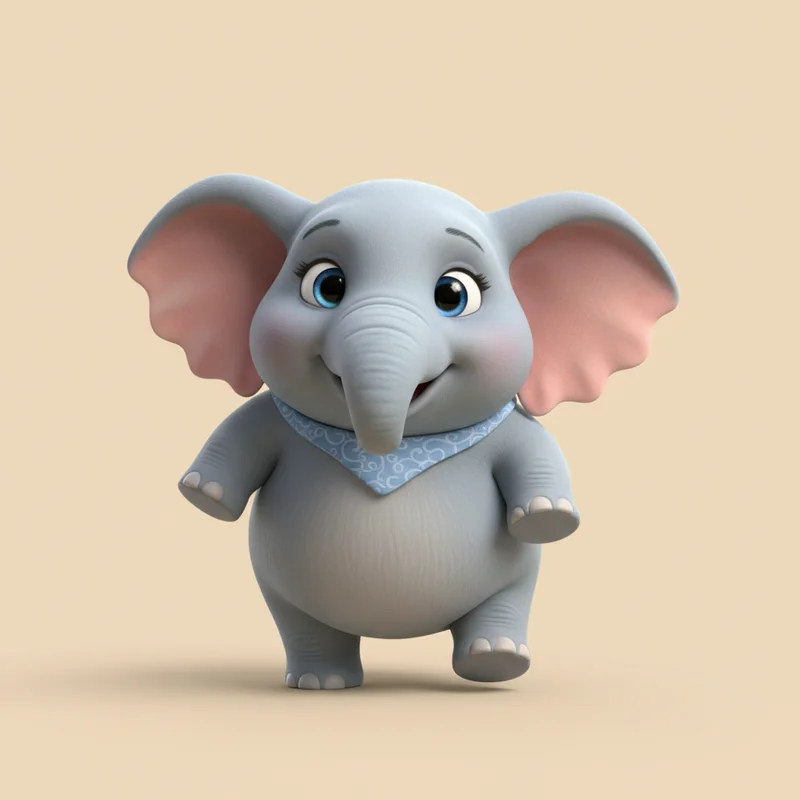
Elephant

Elephant

Earth's largest land mammal with remarkable memory, complex social bonds, and trunk-based problem solving.

VS
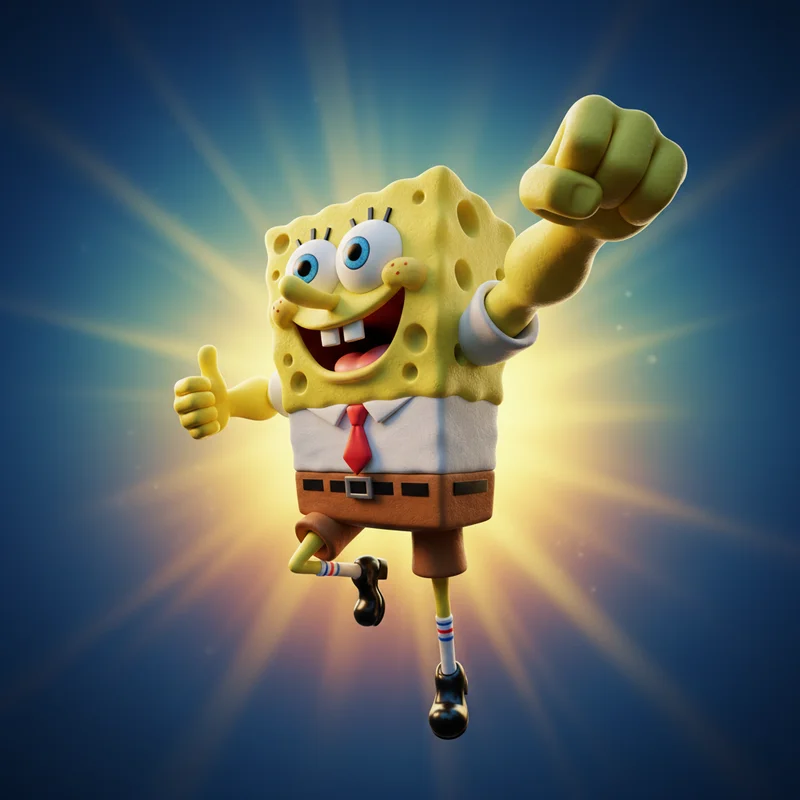
Spongebob

Spongebob

Absorbent yellow sea sponge living in a pineapple.

Battle Analysis

Global reach SpongeBob Wins
30%
70%
Elephant Spongebob

Elephant

Elephants currently inhabit portions of sub-Saharan Africa and South Asia, with historical ranges having contracted significantly due to human activity. Current population estimates suggest approximately 415,000 African elephants and 40,000-50,000 Asian elephants remain in the wild, supplemented by several thousand in captivity.

Their physical presence requires substantial territory, typically 100-1,000 square kilometres per herd. Climate change and habitat fragmentation continue threatening their range, with some predictions suggesting catastrophic population decline within decades.

Spongebob

SpongeBob broadcasts in over 170 countries and 60 languages, achieving near-universal distribution across media markets. Unlike physical organisms, the character requires only screen access for presence, enabling simultaneous existence wherever television, streaming services, or internet connections reach.

The franchise maintains constant availability through streaming platforms, with episodes viewable on demand at any hour. SpongeBob's reach is limited only by media infrastructure, not by biological requirements for food, water, or habitat.

VERDICT

Physical animals cannot compete with media distribution infrastructure. SpongeBob exists wherever screens exist; elephants exist only where ecosystems can support six-tonne herbivores. The maths favour the sponge.

Physical power Elephant Wins
70%
30%
Elephant Spongebob

Elephant

The African elephant possesses physical capabilities that border on the extraordinary. With a trunk containing over 40,000 muscles, the animal can lift approximately 300 kilograms, fell mature trees, and manipulate objects with surprising delicacy. Adult males stand up to four metres at the shoulder and can charge at speeds reaching 40 kilometres per hour.

The elephant's tusks, modified incisor teeth, serve as tools for digging, stripping bark, and defence. Their feet exert pressure that compacts soil, whilst their digestive systems process vegetation into fertiliser that shapes entire ecosystems. The biomechanical engineering of an elephant represents millions of years of evolutionary refinement.

Spongebob

SpongeBob SquarePants exists as a two-dimensional animated character, which presents certain limitations in physical confrontations. His canonical abilities include some form of regeneration, shape-shifting, and the capacity to absorb liquids. In various episodes, he has demonstrated superhuman strength when the narrative requires it, though consistency proves elusive.

His primary physical achievement involves flipping Krabby Patties at the Krusty Krab, a task requiring considerably less force than toppling acacia trees. SpongeBob's body, being porous, would theoretically compress rather than resist external pressure, though his fictional physics operate by different rules entirely.

VERDICT

This category presents no meaningful contest. The elephant possesses measurable, documented physical power operating in the real world. SpongeBob possesses cartoon physics that vary according to comedic requirements. Reality defeats fiction in matters of force.

Cultural influence SpongeBob Wins
30%
70%
Elephant Spongebob

Elephant

Elephants occupy a central position in numerous human cultures spanning millennia. The Hindu deity Ganesha bears an elephant's head, whilst the animals feature prominently in Buddhist iconography, African folklore, and Western circus tradition. The Republican Party of the United States adopted the elephant as its symbol in the 1870s, demonstrating ongoing political relevance.

Conservation efforts have elevated elephants to flagship species status, representing broader environmental concerns. Phrases such as 'an elephant never forgets' and 'the elephant in the room' demonstrate linguistic integration across English-speaking cultures.

Spongebob

SpongeBob has achieved staggering cultural penetration since his debut. The franchise has generated over 13 billion dollars in merchandise revenue, with the character recognisable to an estimated 93 percent of children globally. The show's theme song, quotes such as 'I'm ready!' and 'Is mayonnaise an instrument?', and countless meme formats have embedded themselves in popular consciousness.

The character has appeared at Super Bowl halftime shows, in academic papers analysing his influence, and across virtually every merchandising category imaginable. SpongeBob transcends his medium in ways few animated characters achieve.

VERDICT

Elephants possess millennia of cultural significance, but SpongeBob has achieved saturation-level penetration within a single generation. In terms of active cultural engagement in the 21st century, the sponge prevails decisively.

Inspirational value Elephant Wins
70%
30%
Elephant Spongebob

Elephant

Elephants inspire through their sheer improbability and magnificence. The existence of an animal weighing six tonnes, possessing a prehensile nose, and displaying emotional depth comparable to primates strikes observers as remarkable. They represent wilderness itself, serving as symbols for conservation movements worldwide.

Their familial bonds and matriarchal wisdom offer models for human society, whilst their vulnerability inspires protective instincts and environmental awareness. Seeing an elephant in the wild reportedly ranks among the most profound experiences available to travellers.

Spongebob

SpongeBob's inspirational value centres on unwavering optimism despite circumstances. The character lives in a pineapple under the sea, works a minimum-wage food service job, and fails his driving test repeatedly, yet maintains genuine enthusiasm for existence. This resilience resonates with audiences facing their own mundane struggles.

The show's message that one can find joy in simple pleasures and maintain friendships despite differences provides accessible life philosophy. SpongeBob doesn't inspire by being magnificent; he inspires by being happy anyway.

VERDICT

The elephant inspires through genuine magnificence and real-world presence. SpongeBob offers valuable lessons about optimism, but encountering an actual elephant in the wild produces awe that animation cannot replicate.

Emotional intelligence Elephant Wins
70%
30%
Elephant Spongebob

Elephant

Elephants demonstrate emotional complexity that approaches human levels. They have been documented mourning their dead, returning to gravesites years later, and displaying what researchers interpret as grief, joy, and compassion. Matriarchal societies depend on accumulated wisdom passed between generations.

The animals recognise themselves in mirrors, a trait shared by very few species. They comfort distressed herd members through physical touch and vocalisations. Cognitive ethologists consider elephants among the most emotionally sophisticated non-human animals on Earth.

Spongebob

SpongeBob's emotional range, whilst broad for a cartoon character, operates within scripted parameters. His defining trait involves relentless optimism, often manifesting as an inability to recognise obvious problems. He experiences joy, sadness, fear, and friendship, but these emotions serve narrative purposes rather than genuine feeling.

The character's emotional simplicity paradoxically contributes to his appeal, providing an aspirational model of positivity that resonates with audiences seeking escape from complexity. He feels genuinely, within the constraints of being fictional.

VERDICT

The elephant's documented capacity for genuine emotion, including grief that persists across years, represents something SpongeBob cannot possess. Real feeling defeats performed feeling.

👑

The Winner Is

Elephant

55 - 45

Our analysis reveals a closer contest than initial impressions might suggest. Whilst the elephant dominates categories requiring physical reality, including power, emotional intelligence, and inspirational magnificence, SpongeBob demonstrates remarkable strength in metrics of cultural penetration and global distribution.

The fundamental asymmetry between the contestants defines the outcome. Elephants exist; SpongeBob is merely represented. Yet representation, in the 21st century, carries extraordinary power. SpongeBob can be everywhere simultaneously, speaking every language, requiring no food or habitat. The elephant needs hundreds of square kilometres to survive.

With a final score of 55-45, the elephant prevails, but the margin reflects SpongeBob's genuine competitive strength in the metrics that increasingly define modern influence.

Elephant
55%
Spongebob
45%

Share this battle

More Comparisons