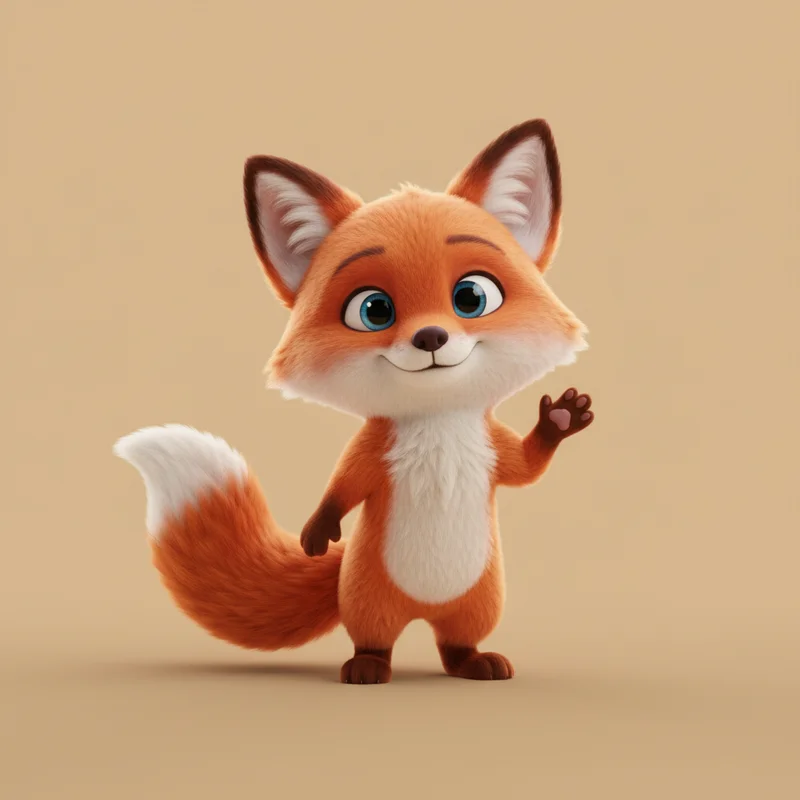

Fox
The red fox represents one of evolution's most adaptable mammals. Its dietary flexibility encompasses rodents, rabbits, insects, berries, bins, and the contents of unguarded picnics. Urban populations have learned to navigate traffic, exploit restaurant waste schedules, and identify which households maintain insufficiently secured cat flaps.
Most remarkably, foxes have adapted their vocalisations and behaviour patterns to urban environments, becoming increasingly tolerant of human proximity whilst maintaining sufficient wariness to avoid harm. This represents genuine evolutionary adaptation occurring within observable timescales.
Lego
Lego demonstrates adaptability of a fundamentally different character. The standardised brick system permits construction of virtually any object the human imagination can conceive, from functional prosthetic limbs to full-scale automobiles. Over 915 million configurations exist for just six standard 2x4 bricks.
Yet this adaptability requires external agency. A fox adapts autonomously to changed circumstances; a Lego brick awaits instruction. The difference between genuine adaptive intelligence and mere configurational potential remains significant.