Topic Battle

Where Everything Fights Everything

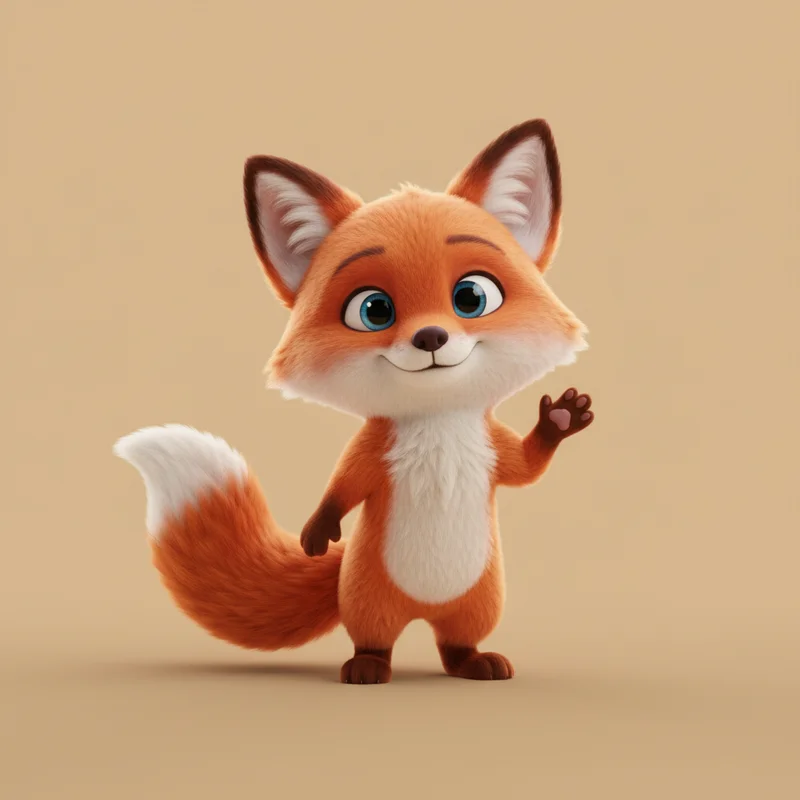
Fox

Fox

Cunning canid of folklore fame, adapting successfully to both wilderness and urban environments worldwide.

VS
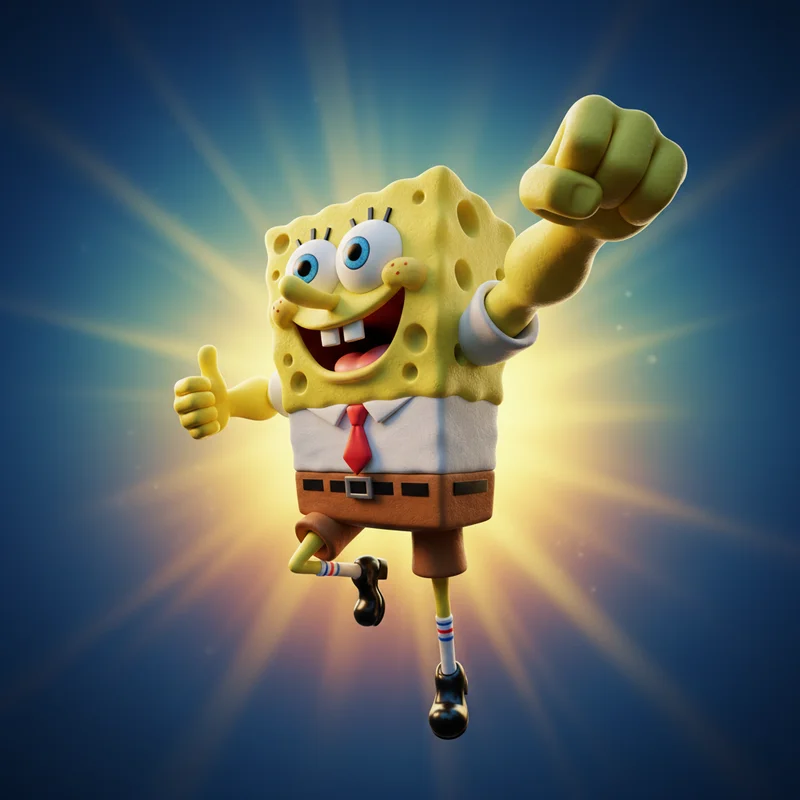
Spongebob

Spongebob

Absorbent yellow sea sponge living in a pineapple.

Battle Analysis

Adaptability SpongeBob Wins
30%
70%
Fox Spongebob

Fox

The red fox has achieved something remarkable: successful colonisation of human urban environments without surrendering essential wildness. Urban fox populations now exceed rural densities in many British cities, with an estimated 33,000 foxes residing in urban areas across the United Kingdom.

This adaptation required significant behavioural modification. Urban foxes have shifted activity patterns, developed tolerance for human proximity, and expanded dietary repertoire to include discarded takeaway containers, garden fruits, and the occasional unattended shoe. They navigate road networks, exploit gaps in fencing, and establish territories in gardens, cemeteries, and railway embankments.

The species also thrives across diverse wild habitats, from Arctic tundra to North African deserts. Vulpes vulpes demonstrates adaptability that few carnivores can match, adjusting hunting strategies, denning behaviours, and social structures to local conditions.

Spongebob

SpongeBob demonstrates adaptability of a different kind: narrative flexibility. The character transitions seamlessly between slice-of-life episodes, adventure narratives, musical numbers, and abstract surrealism. He has been rendered in multiple animation styles, appeared in theatrical films, and adapted to video games, stage productions, and merchandise across every conceivable category.

His underwater existence poses no obstacle to fire, speaking, or any other activity the narrative requires. SpongeBob visits the surface, travels through time, and enters alternate dimensions without apparent distress. The character adapts to whatever scenario writers construct, a form of flexibility that physical existence cannot provide.

This adaptability extends to audience demographics. SpongeBob appeals to children seeking simple humour, teenagers appreciating irony, and adults finding unexpected depth in absurdist comedy. Few cultural properties achieve such cross-generational versatility.

VERDICT

The fox adapts to physical environments with impressive success. SpongeBob adapts to narrative and commercial environments with superior scope. In a media-saturated age, the latter proves more broadly applicable.

Legacy potential Fox Wins
70%
30%
Fox Spongebob

Fox

Foxes have existed in their current form for approximately 3.4 million years. Their evolutionary stability suggests they will persist long after current human civilisations have collapsed and been forgotten. The species survived ice ages, volcanic events, and the previous five mass extinctions of other species.

The fox's legacy operates through biological continuity rather than cultural memory. Future intelligences exploring Earth's ruins may encounter foxes or their descendants without ever knowing that humans once told stories about their cunning. The animal's persistence requires no human participation.

However, foxes leave no intentional legacy. They do not create, record, or preserve. Their contribution to posterity consists entirely of continued existence and whatever documentation other species choose to maintain.

Spongebob

SpongeBob's legacy depends entirely on preservation infrastructure. The character exists as digital files, physical media, and collective memory. Should human civilisation end, SpongeBob ends with it. Unlike the fox, the sponge cannot persist through biological reproduction.

However, within functioning civilisation, SpongeBob's legacy appears remarkably secure. The franchise has achieved classic status, with episodes from the early 2000s maintaining viewership among audiences not born when they originally aired. The character has transcended his original medium to become cultural shorthand for optimism, absurdity, and marine invertebrate enthusiasm.

SpongeBob's intentional creation means his legacy carries meaning that biological existence cannot. He was made to communicate something, and that communication continues with each viewing. The fox simply exists; SpongeBob exists for a purpose.

VERDICT

SpongeBob's legacy depends on civilisational continuity. The fox's legacy depends only on planetary habitability. Greater robustness of persistence provides the fox with superior long-term legacy potential, however much SpongeBob dominates the present.

Emotional resonance SpongeBob Wins
30%
70%
Fox Spongebob

Fox

Foxes evoke complex emotional responses in human observers. Their elegant appearance inspires aesthetic appreciation: the russet coat, the keen eyes, the luxuriant tail. Their behaviour triggers admiration for intelligence and self-sufficiency. Urban fox encounters often produce delight mixed with slight unease, a recognition of wildness persisting within civilised spaces.

Conservation concern adds additional emotional dimension. Fox hunting debates in the United Kingdom demonstrated passionate engagement with the animal's welfare, suggesting genuine emotional investment beyond mere appreciation. People care about foxes in ways that transcend their direct utility.

However, foxes cannot reciprocate emotional engagement. They remain fundamentally wild, viewing humans as potential threats or food sources rather than relationship partners. The emotional connection operates in one direction only.

Spongebob

SpongeBob was explicitly designed to generate emotional resonance. His relentless optimism provides aspirational modelling for audiences seeking escape from cynicism. His friendship with Patrick offers templates for accepting companions despite their limitations. His relationship with Squidward demonstrates tolerance for those who refuse reciprocal affection.

The character's emotional accessibility derives partly from simplicity. SpongeBob experiences joy, sadness, fear, and love without complicating nuance. This clarity allows viewers, particularly young ones, to identify emotions and their triggers in straightforward fashion. The show functions as emotional education disguised as entertainment.

SpongeBob appears to reciprocate viewer affection. His fourth-wall acknowledgements, his genuine enthusiasm for existence, and his apparent awareness of audience presence create parasocial relationships that wild animals cannot provide.

VERDICT

The fox evokes admiration from distance. SpongeBob creates emotional connection through deliberate design. Manufactured emotional resonance, when executed competently, outperforms accidental aesthetic appeal.

Cultural penetration SpongeBob Wins
30%
70%
Fox Spongebob

Fox

The fox has achieved cultural significance across virtually every human civilisation that encountered it. Aesop's fables established the sly fox as a permanent fixture in Western storytelling approximately 2,600 years ago. Japanese kitsune mythology attributes shapeshifting abilities and accumulating wisdom to aged foxes. Native American traditions, Chinese folklore, and European fairy tales all feature the fox as a figure of cunning intelligence.

This cultural presence persists in contemporary language. 'Outfoxed,' 'sly as a fox,' and 'fox in the henhouse' remain common expressions. The animal appears in corporate logos, sports team names, and political cartoons with frequency suggesting genuine cultural resonance rather than mere convenience.

However, the fox's cultural presence operates primarily through archetype rather than character. Audiences recognise what a fox represents without necessarily engaging with any particular fox. The symbol has become somewhat generic through overuse.

Spongebob

SpongeBob SquarePants has achieved cultural saturation of extraordinary scope within a single generation. Since debuting in 1999, the character has generated over 13 billion dollars in merchandise revenue, with recognition rates approaching 93 percent among children globally. The show broadcasts in over 170 countries and 60 languages.

The character's cultural penetration extends beyond passive recognition. SpongeBob memes constitute a significant percentage of internet humour, with formats like 'Mocking SpongeBob' achieving billions of views across platforms. Phrases from the show have entered everyday vocabulary. The theme song lyrics remain instantly recognisable to multiple generations.

SpongeBob appeared at the Super Bowl halftime show, in academic papers analysing media influence, and across virtually every merchandising category imaginable. His yellow face adorns clothing, bedding, food packaging, and products whose connection to undersea animation remains unclear.

VERDICT

The fox possesses deeper cultural roots spanning millennia and continents. SpongeBob possesses broader active engagement in contemporary culture. In terms of current cultural penetration, the sponge decisively prevails through sheer omnipresence.

Survival intelligence Fox Wins
70%
30%
Fox Spongebob

Fox

Fox intelligence represents millions of years of evolutionary refinement under genuine survival pressure. Urban foxes learn traffic patterns, rubbish collection schedules, and the locations of households with inadequately secured bins. They remember hazard positions across their territories and adjust routes accordingly.

The famous mousing pounce demonstrates extraordinary sensory integration, with foxes locating prey beneath snow cover using hearing alone, then executing precise vertical leaps to capture rodents they cannot see. This requires spatial calculation, timing, and environmental assessment operating in milliseconds.

Fox survival intelligence carries authentic stakes. Errors result in starvation or predation, not merely narrative inconvenience. Each generation must prove fitness through actual survival, maintaining cognitive sharpness that comfortable existence inevitably dulls.

Spongebob

SpongeBob's survival intelligence operates under different parameters entirely. The character has failed his driving test over 1,000 times across various episodes, suggesting cognitive limitations that would prove fatal in any environment requiring basic spatial reasoning. His employment at the Krusty Krab involves repeated safety violations that would concern any competent inspector.

However, SpongeBob survives through an alternative intelligence: social navigation. He maintains friendships despite significant personality conflicts, retains employment despite performance issues, and achieves general contentment despite circumstances that would discourage more capable entities. This represents a form of emotional intelligence that foxes, however cunning, cannot replicate.

His survival strategy involves being too cheerful to eliminate, a form of psychological armour that has proven remarkably effective across 25 years of continuous existence.

VERDICT

The fox possesses genuine intelligence refined by evolutionary pressure. SpongeBob possesses plot armour and the accumulated goodwill of audience affection. Authentic cognitive capability prevails over scripted persistence.

👑

The Winner Is

Spongebob

45 - 55

Our analysis reveals a contest between earned reputation and manufactured appeal, between evolutionary cunning and narrative optimism. The fox brings 3.4 million years of adaptive refinement; SpongeBob brings the concentrated creative output of an animation studio determined to dominate children's programming.

The fox prevails in survival intelligence and legacy potential, categories requiring genuine rather than fictional capability. The species has earned its reputation for cunning through documented behaviour across diverse environments and genuine survival pressure. It will likely outlast human civilisation and whatever cultural memory SpongeBob achieves.

SpongeBob prevails in cultural penetration, adaptability, and emotional resonance, categories where intentional design beats accidental evolution. The character was engineered for maximum appeal and has achieved precisely that, reaching billions of humans with messages about friendship, optimism, and the importance of enjoying one's work, however menial.

With a final score of 55-45 in SpongeBob's favour, the animated sponge claims victory through dominance in contemporary cultural metrics. The fox's advantages, whilst genuine, prove insufficient to overcome SpongeBob's engineered appeal in an entertainment-saturated age.

Fox
45%
Spongebob
55%

Share this battle

More Comparisons