Gorilla
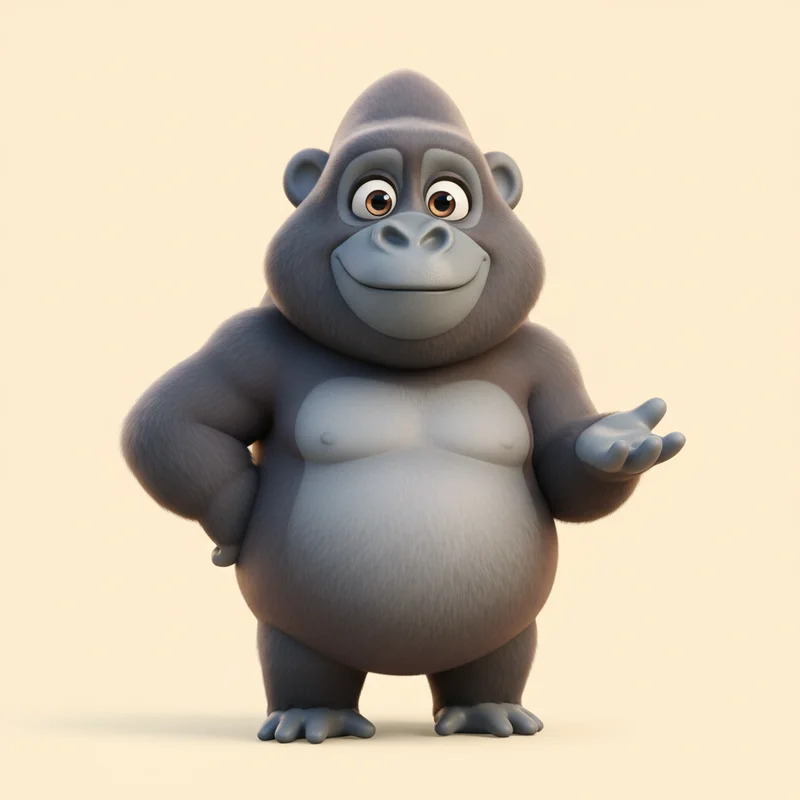
The silverback gorilla represents one of evolution's most robust engineering achievements. An adult male typically weighs between 300 and 500 pounds, supported by a skeletal and muscular system capable of generating forces that would reduce most human furniture to component particles. The gorilla's bone density exceeds that of humans by approximately 30%, providing a framework built not merely to last, but to dominate.
The average lifespan of a wild gorilla ranges from 35 to 40 years, during which time the animal endures daily physical demands that would hospitalize most organisms. Brachiation, the act of swinging from branch to branch, subjects joints and connective tissues to repeated stress loads. Territorial disputes involve chest-beating displays generating forces equivalent to a small automobile collision. Yet the gorilla persists, repairs, adapts.
Perhaps most remarkably, the gorilla's durability includes a sophisticated immune system refined over millennia and a social structure that provides mutual support during illness or injury. A gorilla does not simply endure; it recovers, regenerates, and returns to full operational capacity. This self-healing capability represents a durability feature that no furniture manufacturer has yet replicated, despite considerable investment in research and development.
IKEA Furniture
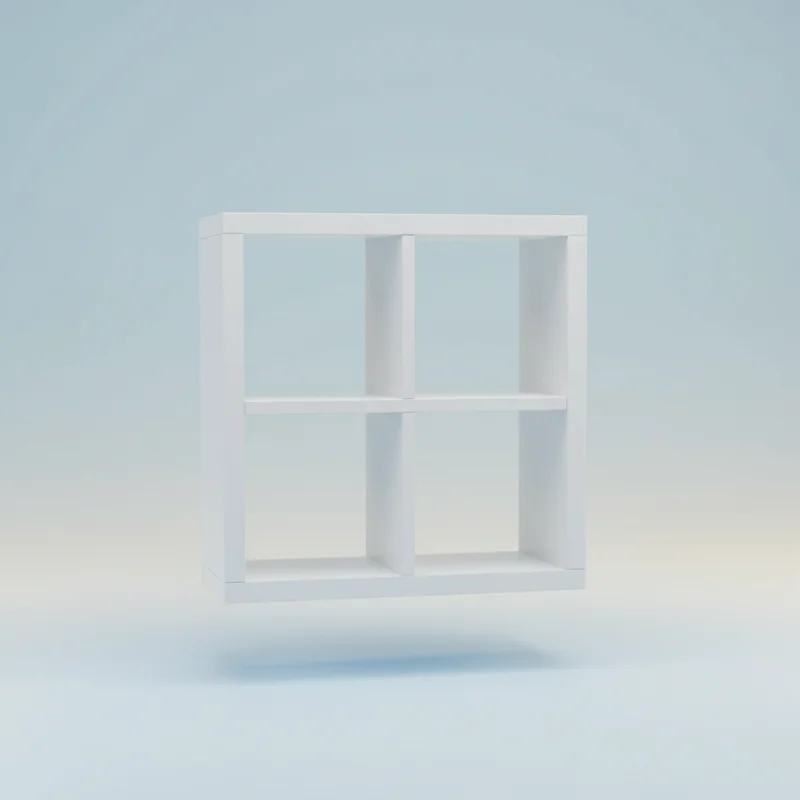
IKEA furniture approaches durability through an entirely different philosophical framework. Where the gorilla relies on biological excellence, IKEA relies on statistical probability: produce enough units at sufficient affordability, and durability concerns become somewhat academic. The average BILLY bookshelf has an expected functional lifespan of 15 to 20 years, assuming no house moves, no children, and no moments of frustrated impact during assembly.
The materials employed speak to engineered adequacy rather than exceptional resilience. Particleboard, the foundation of most IKEA construction, consists of wood particles bonded with resin under heat and pressure. It is not designed to outlast empires; it is designed to outlast apartment leases. The veneer surfaces resist scratching admirably until they don't, at which point they resist nothing at all.
Yet IKEA furniture possesses a unique durability characteristic: replaceability. When a MALM dresser finally succumbs to the accumulated indignities of existence, an identical replacement awaits at precisely the same price point in precisely the same showroom location. This is durability through industrial perpetuity rather than individual resilience. The specific unit may perish, but the model lives forever, phoenix-like, rising from the flat-pack ashes of its predecessors.