Topic Battle

Where Everything Fights Everything

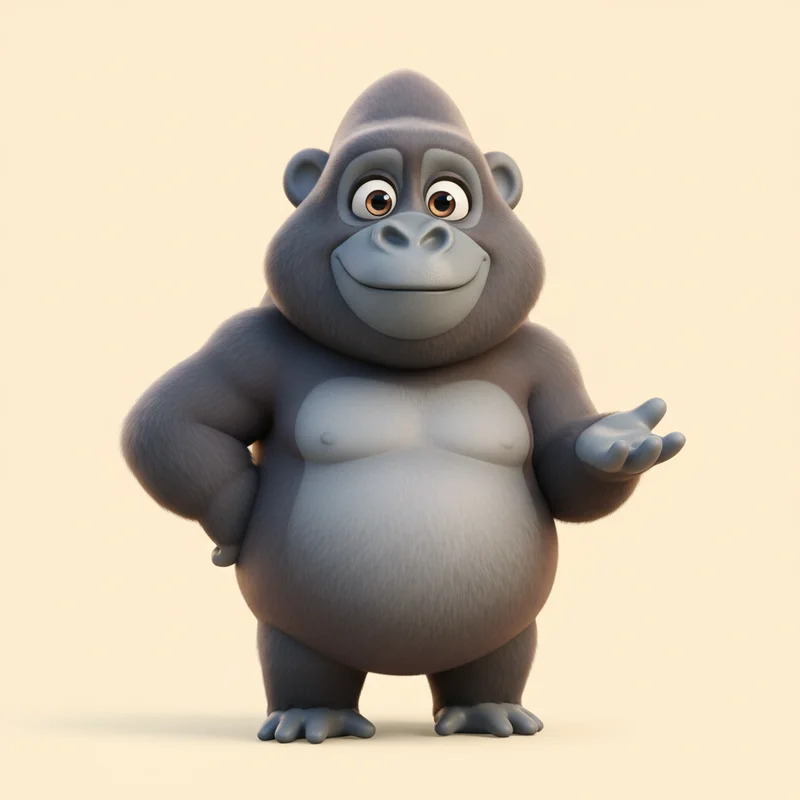
Gorilla

Gorilla

Largest living primate sharing 98% DNA with humans, known for chest-beating and gentle family bonds.

VS
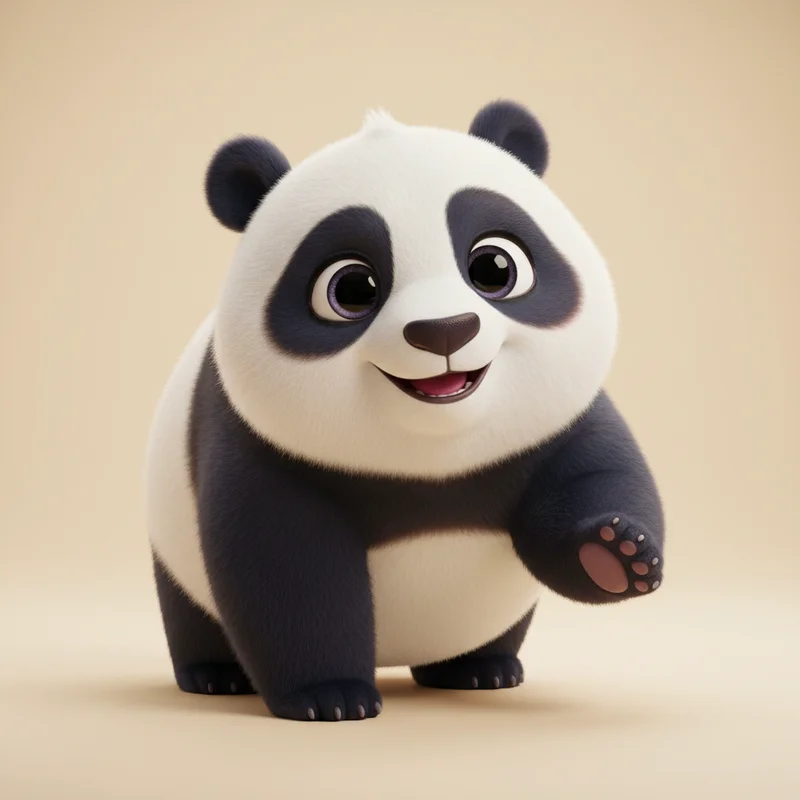
Panda

Panda

Beloved bamboo-eating bear from China, famous for black-and-white coloring and conservation symbolism.

Battle Analysis

Strength Gorilla Wins
70%
30%
Gorilla Panda

Gorilla

The adult male silverback gorilla possesses an estimated strength capacity ten times that of an adult human male. With the ability to lift approximately 815 kilograms, these primates represent the apex of great ape physical development. Their musculature, honed through millennia of forest navigation and territorial defence, enables feats that would require industrial machinery for human replication. A single arm can exert sufficient force to bend steel bars of moderate thickness. This biomechanical superiority remains largely theoretical, as gorillas demonstrate remarkably peaceful dispositions.

Panda

The giant panda possesses jaw muscles capable of generating bite forces exceeding 292 pounds per square inch, sufficient to masticate the fibrous bamboo stalks comprising 99 percent of their diet. Their forelimbs, though seemingly designed for cuddling in human perception, contain sufficient strength to climb trees and manipulate their environment effectively. However, this strength serves almost exclusively sedentary purposes. The panda has effectively traded physical dominance for a lifestyle of profound leisure, dedicating fourteen hours daily to consumption of nutritionally questionable vegetation.

VERDICT

The gorilla's superior pound-for-pound strength quotient demonstrates unambiguous physical dominance.
Media presence Panda Wins
30%
70%
Gorilla Panda

Gorilla

Gorillas maintain a consistent media presence, featuring in documentaries, films, and wildlife programming. Productions such as Gorillas in the Mist achieved critical acclaim, while the species serves as subject matter for numerous natural history programmes. Their presence in zoos worldwide ensures ongoing visibility. However, gorilla media coverage typically adopts educational tones, rarely achieving the viral phenomena associated with certain other species. Their dignity, whilst admirable, limits exploitable cuteness quotients.

Panda

The giant panda exists in a state of perpetual media saturation. Panda cams attract millions of viewers observing activities as mundane as mastication and rest. Footage of pandas tumbling, sneezing, or merely existing generates engagement metrics that media executives would consider enviable. Every sneeze becomes a news story. Every birth triggers diplomatic communications. The species has achieved a form of celebrity that most entertainers cannot approach, all whilst maintaining a lifestyle of supreme indifference to its own fame.

VERDICT

Panda media omnipresence achieves engagement levels unmatched in zoological history.
Global recognition Panda Wins
30%
70%
Gorilla Panda

Gorilla

The gorilla enjoys substantial recognition, particularly following decades of conservation efforts and the influential work of primatologist Dian Fossey. Their image adorns wildlife documentaries and serves as mascot for various commercial enterprises. The species features prominently in popular culture, from King Kong to various animated features. Yet despite this visibility, gorillas remain subject to persistent misconceptions regarding their temperament, frequently portrayed as aggressive when empirical observation reveals predominantly gentle dispositions.

Panda

The giant panda has achieved a form of global recognition that transcends mere familiarity into universal iconography. As the symbol of the World Wildlife Fund since 1961, this species represents conservation itself in the collective human imagination. Nations compete for panda loan agreements as though negotiating treaties of the highest diplomatic significance. A single panda birth generates international news coverage typically reserved for events of geopolitical consequence. No other species commands such asymmetric attention relative to its population size.

VERDICT

Panda recognition transcends zoology into geopolitical soft power of unprecedented scale.
Intimidation factor Gorilla Wins
70%
30%
Gorilla Panda

Gorilla

The silverback gorilla presents one of nature's most formidable displays of intimidation. The chest-beating ritual, producing sounds audible at distances exceeding one kilometre, serves as an acoustic declaration of dominance. Their physical presence—males reaching 180 kilograms with arm spans approaching 2.6 metres—commands immediate respect. The mere posture of an agitated silverback has been documented to cause physiological stress responses in observers. This intimidation rarely manifests in violence, serving primarily communicative functions within primate social hierarchies.

Panda

The giant panda possesses precisely zero intimidation factor in any conventional sense. Their distinctive black and white colouration, whilst potentially camouflaging in their native habitat, reads to human observers as inherently approachable. Even when exhibiting behaviours that might constitute aggression, pandas appear to humans as merely playful. This complete absence of threat perception represents either an evolutionary vulnerability or a sophisticated survival strategy, depending upon one's analytical framework. They are bears that humans wish to embrace.

VERDICT

Gorilla intimidation displays represent apex primate dominance signalling.
Evolutionary success Gorilla Wins
70%
30%
Gorilla Panda

Gorilla

Gorillas have demonstrated remarkable evolutionary success within their ecological niche. Their complex social structures, tool use, and cognitive abilities represent millions of years of successful adaptation. The species has survived significant environmental pressures, developing sophisticated communication systems and cultural transmission of knowledge between generations. Their genetic proximity to humans suggests an evolutionary trajectory of considerable sophistication, even if current population numbers reflect anthropogenic rather than natural selection pressures.

Panda

From a purely Darwinian perspective, the giant panda represents an evolutionary curiosity of the highest order. A carnivore that abandoned meat consumption, it possesses a digestive system profoundly unsuited to its chosen diet. Bamboo provides minimal nutrition, necessitating consumption of 12 to 38 kilograms daily. Reproductive rates remain notoriously low. Yet somehow, this species has convinced the dominant planetary species to invest billions in its preservation. One might argue this represents evolution's most sophisticated survival strategy.

VERDICT

Conventional evolutionary metrics favour the gorilla's biological coherence.
👑

The Winner Is

Panda

48 - 52

This investigation yields results that confound simplistic interpretation. The gorilla demonstrates superiority across metrics favouring conventional biological assessment—strength, evolutionary coherence, and intimidation capacity. Yet the panda has achieved something the gorilla cannot claim: complete transcendence of zoological categorisation into cultural phenomenon.

The panda's victory, narrow though it may be, reflects an uncomfortable truth regarding human nature. We respond not to biological sophistication but to aesthetic appeal. The gorilla's intelligence, its complex emotional life, its striking similarity to ourselves—these count for less than the panda's monochromatic charm.

By the slenderest of margins, the giant panda emerges triumphant, having weaponised cuteness into the most effective conservation strategy ever deployed.

Gorilla
48%
Panda
52%

Share this battle

More Comparisons