Where Everything Fights Everything

IKEA Furniture vs Dracula

😜 Just for fun — a tongue-in-cheek, gloriously unscientific showdown.

IKEA Furniture

IKEA Furniture

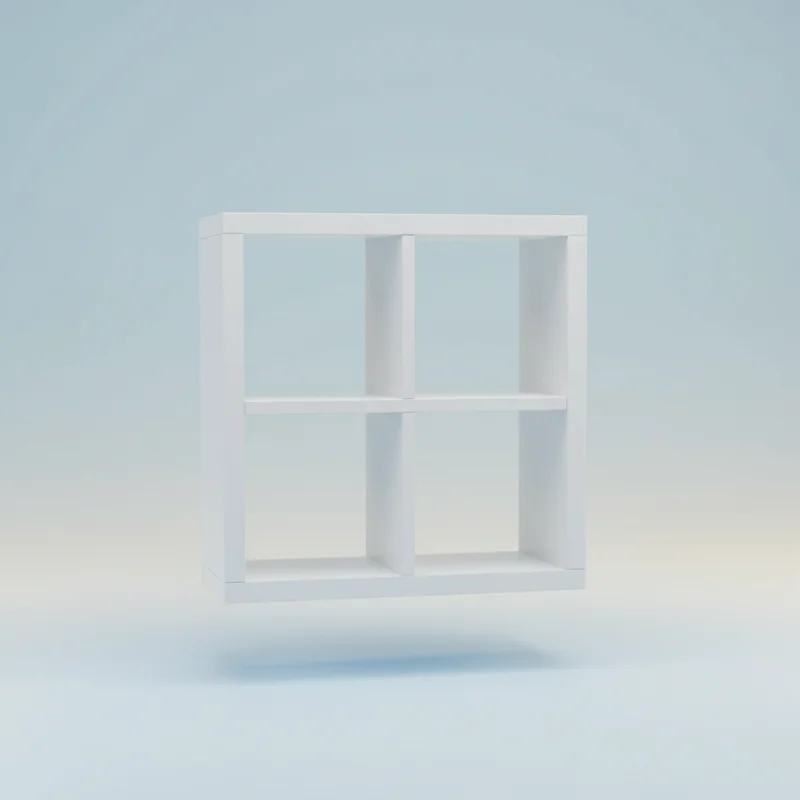
Swedish flat-pack relationship tests sold as affordable home goods. Comes with 47 pieces, one Allen key, and instructions that assume you have transcended the need for words. Marriages have ended over fewer screws.

VS
Dracula

Dracula

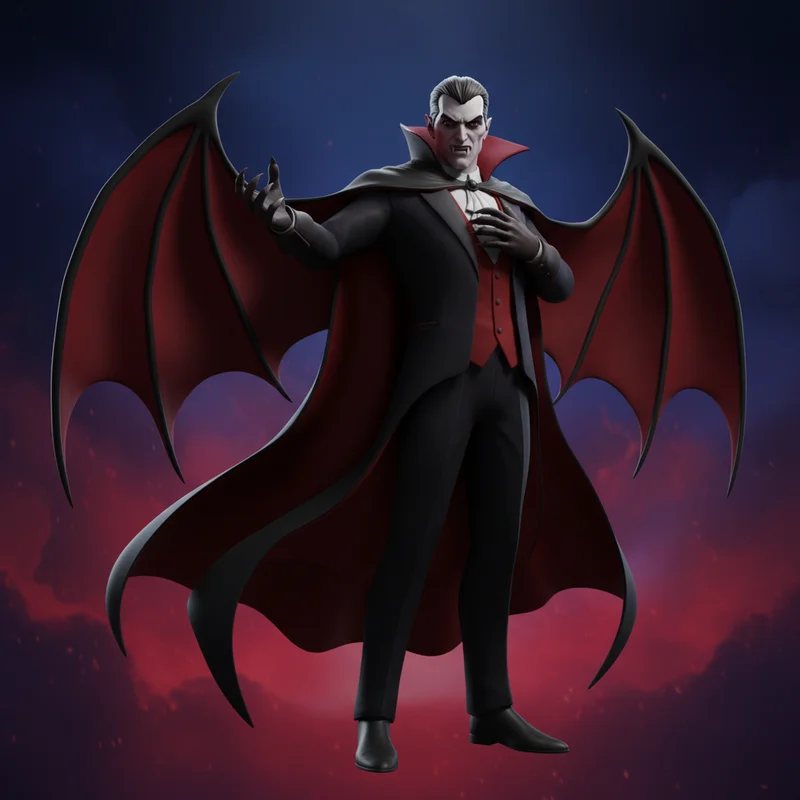
Original vampire count from Transylvania.

Battle Analysis

Durability Dracula Wins · 75%
25%
75%
IKEA Furniture Dracula

IKEA Furniture

IKEA furniture occupies a curious position in the durability spectrum. Constructed primarily from particleboard and medium-density fibreboard, these pieces are engineered for a specific lifespan aligning with contemporary housing mobility patterns. The average IKEA item survives approximately 8-10 years of standard use, though cam-lock joints loosen incrementally with each disassembly cycle. This planned obsolescence ensures continuous custom whilst maintaining accessibility. Certain pieces, particularly solid wood ranges like HEMNES, demonstrate considerably greater longevity, occasionally achieving heirloom status through sheer statistical probability.

Dracula

In matters of durability, undeath confers significant advantages. Count Dracula has persisted for over five centuries in fictional chronology, whilst his cultural presence has endured 127 years since publication. As a creature sustained by supernatural forces rather than biological processes, the Count is effectively immune to conventional deterioration. Only highly specific interventions, stakes through the heart, decapitation, sustained sunlight exposure, can terminate his existence. This conditional immortality represents durability of the highest order, though it does require regular maintenance in the form of blood consumption and native soil proximity.

VERDICT

Supernatural immortality decisively outperforms particleboard construction, regardless of warranty provisions.
Adaptability Dracula Wins · 65%
35%
65%
IKEA Furniture Dracula

IKEA Furniture

IKEA's genius lies in its systematic adaptability. The modular design philosophy permits endless reconfiguration: PAX wardrobes expand to fill available space, KALLAX units stack horizontally or vertically, and the entire STUVA children's range grows alongside its owners. Beyond physical flexibility, IKEA demonstrates remarkable market adaptability, adjusting product dimensions for Asian apartments, colour palettes for Middle Eastern preferences, and introducing plant-based meatballs for environmentally conscious consumers. The Democratic Design ethos ensures continuous evolution whilst maintaining brand coherence across wildly divergent markets.

Dracula

Dracula's adaptability operates on a rather different axis. The Count has successfully reinvented himself across every entertainment medium: silent film, Technicolor spectacular, animated series, video games, breakfast cereals. Each generation receives a Dracula calibrated to contemporary anxieties, from Nosferatu's disease metaphor to modern interpretations exploring themes of addiction and consent. The character absorbs cultural shifts whilst retaining essential characteristics. Furthermore, Dracula's physical adaptability, transformation into bat, wolf, or mist, represents versatility most furniture cannot claim, excepting perhaps the more ambitious sofa beds.

VERDICT

Shape-shifting capabilities and cross-media reinvention demonstrate adaptability beyond modular shelving systems.
Cultural impact Dracula Wins · 65%
35%
65%
IKEA Furniture Dracula

IKEA Furniture

IKEA has fundamentally altered humanity's relationship with domestic space. The democratisation of Scandinavian design has elevated global aesthetic standards whilst establishing new consumption patterns. 'IKEA hacking', the modification and repurposing of standard products, has spawned an entire creative subculture. The store layout, that cunningly designed maze encouraging impulse purchases, has been studied extensively by behavioural economists. IKEA has influenced everything from startup office design to the 'Swedish Death Cleaning' decluttering movement. The company's flat-pack innovation revolutionised furniture logistics, enabling the affordable global distribution that defines modern retail.

Dracula

Dracula's cultural impact extends far beyond entertainment into fundamental Western mythology. The vampire archetype shapes contemporary understandings of immortality, addiction, sexuality, and otherness. Academic fields from Gothic studies to psychoanalysis engage extensively with Dracula's symbolic framework. The Count has influenced fashion (the cape, the high collar), language ('vampiric' as descriptor for exploitative behaviour), and tourism (Transylvania's entire modern economy). Dracula established templates for horror fiction that persist unchanged. His cultural footprint exceeds what any single literary character might reasonably claim.

VERDICT

Dracula's mythological resonance and symbolic depth exceed even IKEA's considerable influence on material culture.
Global recognition IKEA Furniture Wins · 65%
65%
35%
IKEA Furniture Dracula

IKEA Furniture

The IKEA empire spans 63 countries with over 460 stores, achieving what few commercial enterprises have managed: universal brand recognition transcending language barriers. The distinctive blue-and-yellow livery has become synonymous with affordable domesticity across six continents. The KALLAX shelf unit alone has infiltrated more homes than any single piece of furniture in human history, whilst the BILLY bookcase sells at a rate of one every five seconds. Swedish meatballs have become an unexpected ambassador of Scandinavian cuisine, consumed in quantities that would astonish nutritional scientists.

Dracula

Count Dracula enjoys a rather different form of global recognition, having transcended his literary origins to become the definitive vampire archetype. Since 1897, over 200 films have featured the Count directly, with thousands more drawing upon his mythology. The name 'Dracula' has achieved the rare distinction of becoming shorthand for an entire supernatural category. From Bela Lugosi's cape-swirling interpretation to modern iterations, the Count has demonstrated remarkable cultural persistence. Tourism to Romania's Bran Castle generates millions annually, despite historians' protestations that Vlad Tepes barely visited the location.

VERDICT

IKEA's physical presence in 63 nations exceeds Dracula's more ethereal global footprint, however culturally significant.
Intimidation factor IKEA Furniture Wins · 62%
62%
38%
IKEA Furniture Dracula

IKEA Furniture

One might assume furniture holds limited capacity for intimidation. One would be profoundly mistaken. The arrival of an IKEA delivery triggers a specific psychological response in recipients: elevated cortisol levels, relationship tension, and the dawning recognition that several hours of one's finite existence will shortly be consumed by wooden dowels and Allen keys. Studies suggest IKEA assembly ranks among the top five causes of domestic arguments. The instruction manual, with its silent, faceless humanoid figures, communicates through a visual language designed to transcend comprehension. The 'extra parts' that remain after assembly haunt purchasers for years.

Dracula

The Count's intimidation credentials are, admittedly, rather more established. As an immortal predator sustained by human blood, Dracula embodies humanity's primal fears of death, corruption, and loss of bodily autonomy. His powers include transformation, mind control, and superhuman strength. Yet familiarity has somewhat domesticated his terror. Centuries of cultural exposure have rendered Dracula almost comfortable, a Halloween costume rather than a genuine threat. Modern audiences find him more romantic than frightening, a development that would surely dismay the original Count. He has become, in essence, a defanged icon.

VERDICT

Dracula's horror has been diluted by romanticisation; IKEA assembly anxiety remains viscerally immediate and universal.
👑

The Winner Is

Dracula

Takes 3 of 5 rounds

This confrontation between Swedish practicality and Transylvanian aristocracy reveals unexpected symmetries — and, ultimately, a clear victor in the Count. IKEA Furniture acquitted itself admirably in the opening rounds, its flat-pack empire's global reach and the visceral dread of Allen-key assembly outflanking Dracula's somewhat romanticised horror. Yet the deeper the battle ran, the more decisively the undead nobleman asserted his authority.

Dracula sweeps the critical final three rounds by emphatic margins. Supernatural immortality renders particleboard obsolescence a non-contest; shape-shifting versatility makes modular shelving look pedestrian; and the Count's mythological resonance — shaping Western understandings of death, desire, and otherness for over a century — dwarfs even IKEA's considerable cultural footprint. Three rounds to two, and the margins where Dracula won were far wider than where IKEA did. The furniture empire is broad; the Count runs deep.

Share this battle

More Comparisons