IKEA Furniture
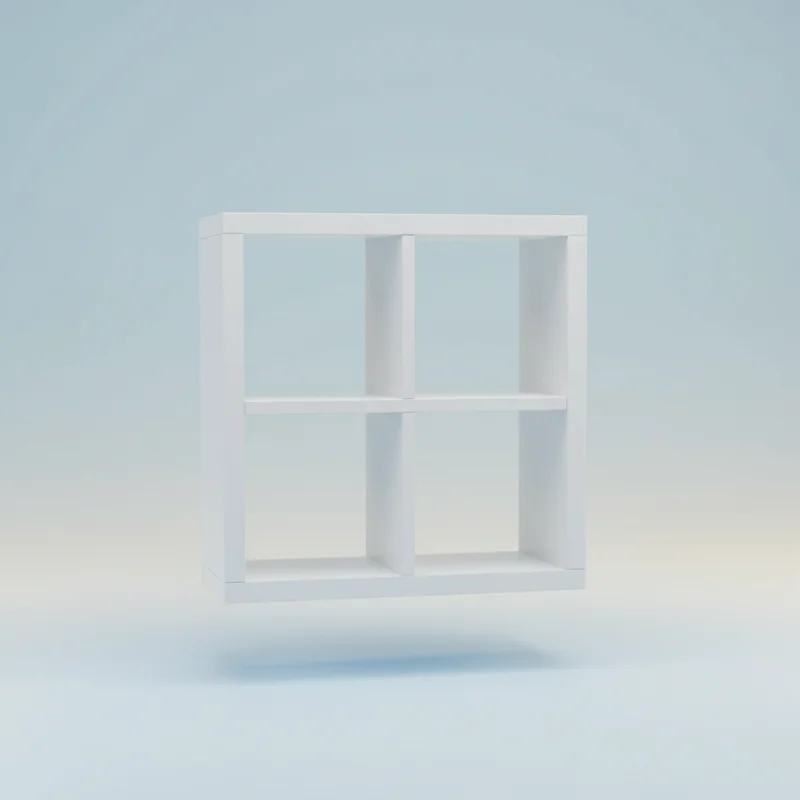
Here we encounter IKEA's most contentious territory. The particleboard construction that enables such remarkable affordability comes with certain structural compromises. The average IKEA bookshelf, when subjected to the rigours of multiple relocations, begins to exhibit what furniture experts term 'catastrophic joint failure'—those cam locks and wooden dowels simply were not designed for repeated assembly and disassembly. Studies suggest the typical IKEA piece survives approximately 3.2 house moves before succumbing to terminal wobbliness. Yet there exists a curious counter-phenomenon: pieces that remain undisturbed can endure for decades, their particle board cores protected from the moisture and stress that would otherwise hasten their demise. The BILLY bookcase, introduced in 1979, continues to grace homes worldwide in its original form, a testament to the durability of strategic immobility.
Harry Potter
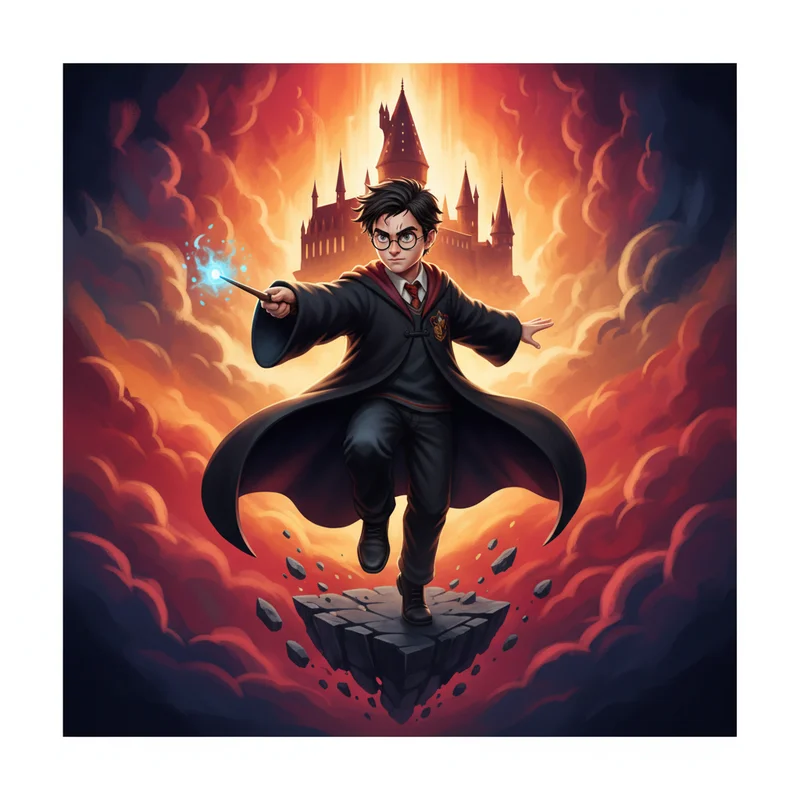
The longevity of narrative operates on different principles than physical construction, yet proves remarkably more robust. The original Harry Potter novels, published between 1997 and 2007, have not merely survived but flourished across generations. Parents who queued at midnight for 'The Deathly Hallows' now read those same stories to their children. The themes of friendship, courage, and the struggle against tyranny have demonstrated timeless resonance, immune to the particleboard decay that claims lesser cultural artefacts. Furthermore, the franchise continues to expand—films, plays, video games, and the Fantastic Beasts series ensure that the wizarding world remains perpetually contemporary. Unlike furniture that eventually splinters and sags, stories only grow stronger with retelling, their joints reinforced by each new generation's emotional investment.