IKEA Furniture
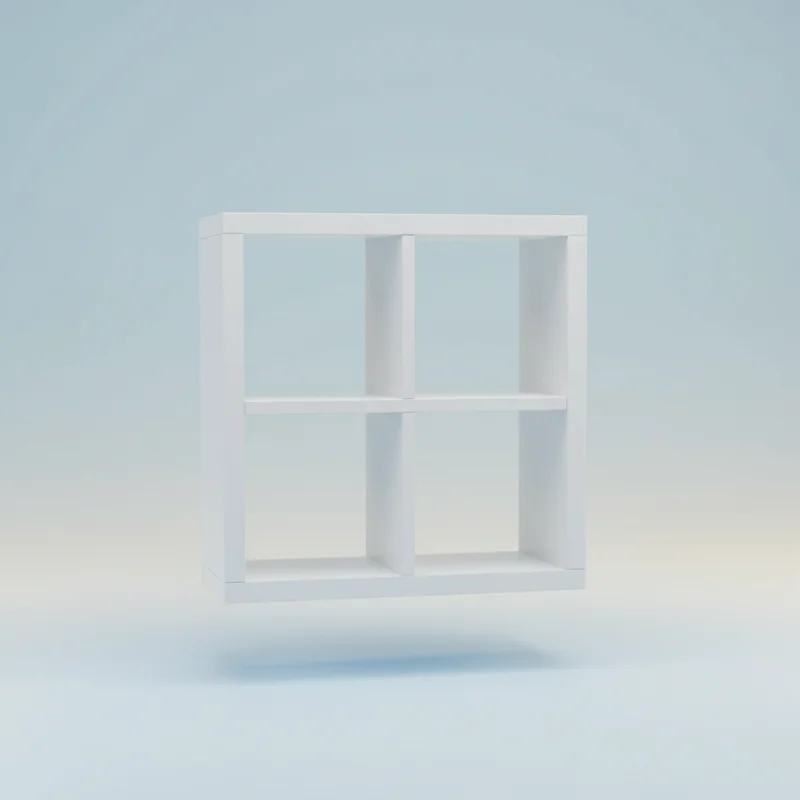
The IKEA KALLAX, observed in its natural habitat of the urban apartment, demonstrates a lifespan of 5-15 years under typical conditions. Constructed primarily from particle board and medium-density fibreboard, these specimens exhibit a curious relationship with moisture that researchers have described as catastrophically adverse.
Field studies indicate that the average IKEA BILLY bookcase, the company's best-selling product with over 110 million units deployed globally since 1979, achieves structural integrity sufficient to outlast several iPhone generations. The cam-lock joinery system, while occasionally temperamental during initial assembly, creates bonds that strengthen with age and the subtle warping of wood-based materials.
Perhaps most remarkably, IKEA furniture has demonstrated the capacity for generational inheritance. Researchers have documented MALM dressers and POANG chairs passing from parent to offspring, a form of cultural transmission rarely observed among consumer electronics. The Swedish flat-pack, it seems, has evolved for the long game.
iPhone
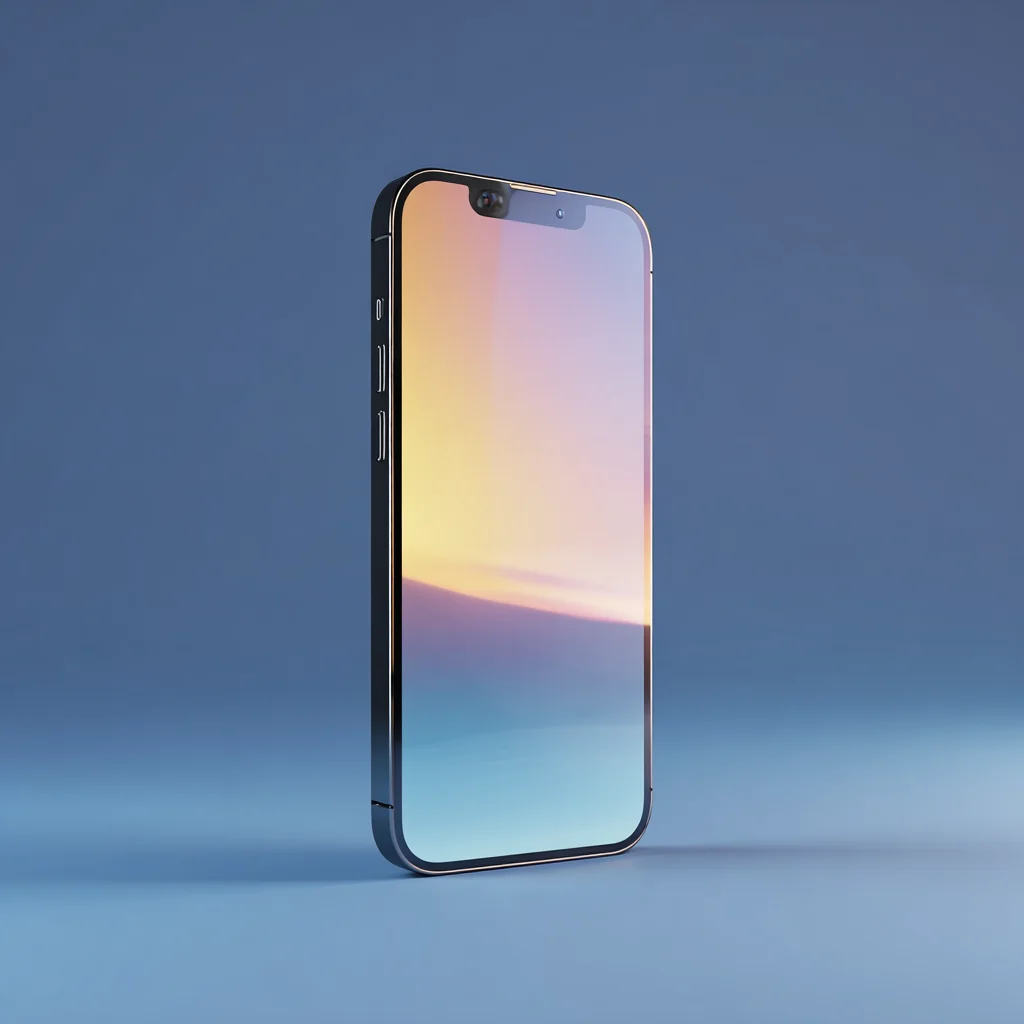
The iPhone presents a more complex durability profile. Individual specimens demonstrate robust construction, with aerospace-grade aluminum frames and Ceramic Shield front covers capable of surviving drops that would devastate lesser devices. Apple's environmental testing includes tumble testing, pressure testing, and the application of various substances ranging from coffee to sunscreen.
However, the species exhibits a phenomenon that naturalists term planned obsolescence. The average iPhone owner replaces their device every 3-4 years, not due to physical failure but because the software ecosystem gradually renders older specimens functionally inadequate. iOS updates increasingly demand resources that aging hardware cannot provide, creating a natural population turnover that benefits the parent company.
Furthermore, the iPhone's glass construction, while aesthetically pleasing, creates vulnerability to impact trauma. The screen repair industry, valued at over $4 billion annually in the United States alone, exists primarily because iPhones, unlike their Swedish competitors, cannot simply have a broken panel replaced with an Allen key and persistent optimism.
VERDICT
The durability assessment favours IKEA furniture through the simple mathematics of temporal persistence. While an iPhone offers perhaps four years of primary service before ecosystem pressures encourage replacement, an IKEA LACK side table purchased in 2003 may still be performing its intended function today, blissfully unaware that it is meant to feel obsolete.
The furniture's advantage lies in its indifference to progress. A bookshelf requires no updates. A bed frame does not care that newer models exist. This philosophical detachment from the innovation cycle grants Swedish flat-pack a durability advantage that silicon-based life forms simply cannot match.