IKEA Furniture
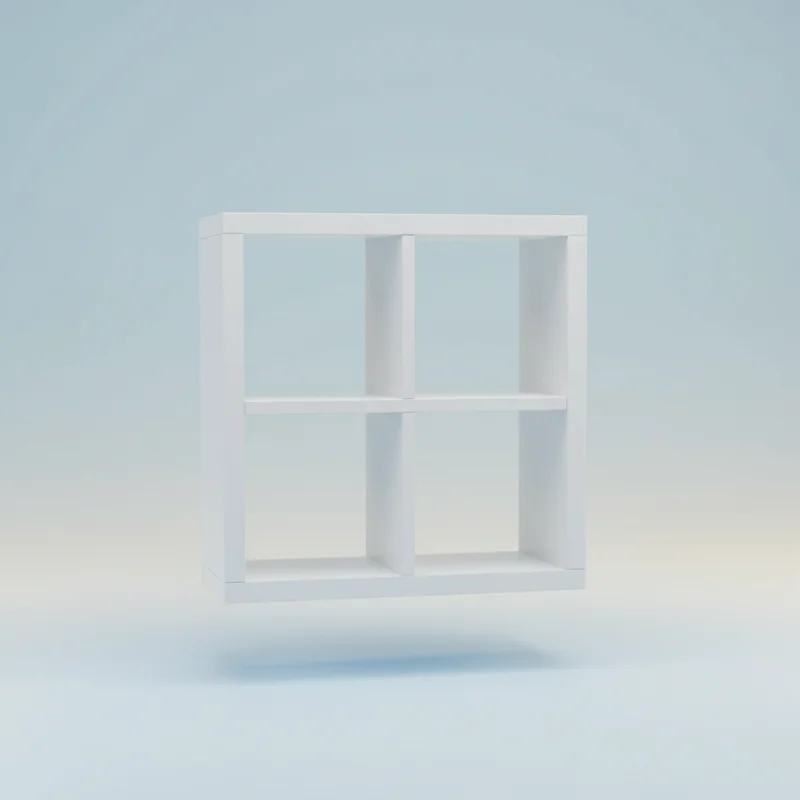
The question of IKEA furniture durability has sparked considerable academic debate. The flat-pack model relies heavily upon particleboard, a material created by compressing wood chips with adhesive into something resembling actual lumber. This engineered approach yields furniture capable of surviving approximately 2.3 household relocations before structural integrity becomes a matter of optimism rather than physics.
Yet one must acknowledge the extraordinary resilience of properly assembled IKEA pieces. The POANG chair, first designed in 1976, continues production essentially unchanged, its cantilever frame having supported countless bodies through decades of television viewing. When treated with respect and never, under any circumstances, disassembled for moving, IKEA furniture can endure remarkably well.
Panda
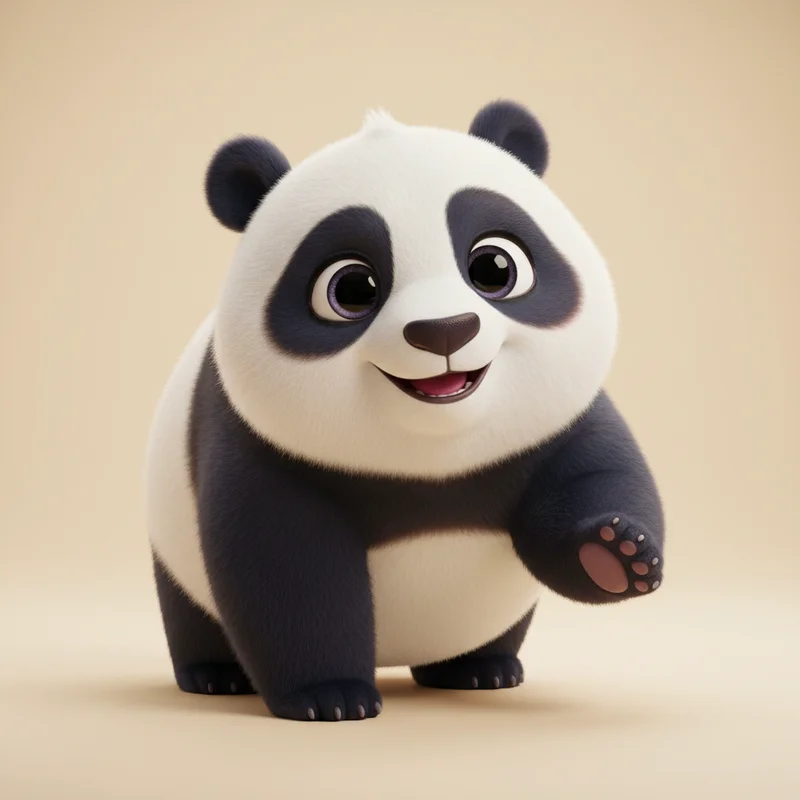
The giant panda represents something of a durability paradox. As a species, pandas have existed for approximately eight million years, weathering ice ages, continental drift, and the extinction of countless contemporaries. This suggests exceptional staying power on an evolutionary timescale.
As individuals, however, pandas appear determined to undermine this legacy. Their reproductive habits border on self-sabotagethe female is fertile for merely 24-48 hours annually, and males often display bewildering disinterest in the proceedings. Cubs are born weighing roughly 100 grams, approximately 1/900th of their mother's weight, and spend their first weeks as extraordinarily vulnerable pink creatures resembling large mice.