
IKEA Furniture
IKEA furniture achieves reliability through philosophical redefinition: expectations are calibrated so precisely low that any performance becomes acceptable. The MALM dresser will indeed hold clothing for several years, provided one never relocates it, never exposes it to humidity, and never places anything heavier than a paperback upon its upper surface.
The cam lock system that enables flatpack magic simultaneously ensures inevitable loosening over time. IKEA furniture exists in a permanent state of gentle deterioration, wobbling incrementally toward its eventual return to particulate matter. Yet within these modest parameters, it performs admirably. The BILLY bookcase has supported the complete works of Proust without complaint since 1978.
Tesla
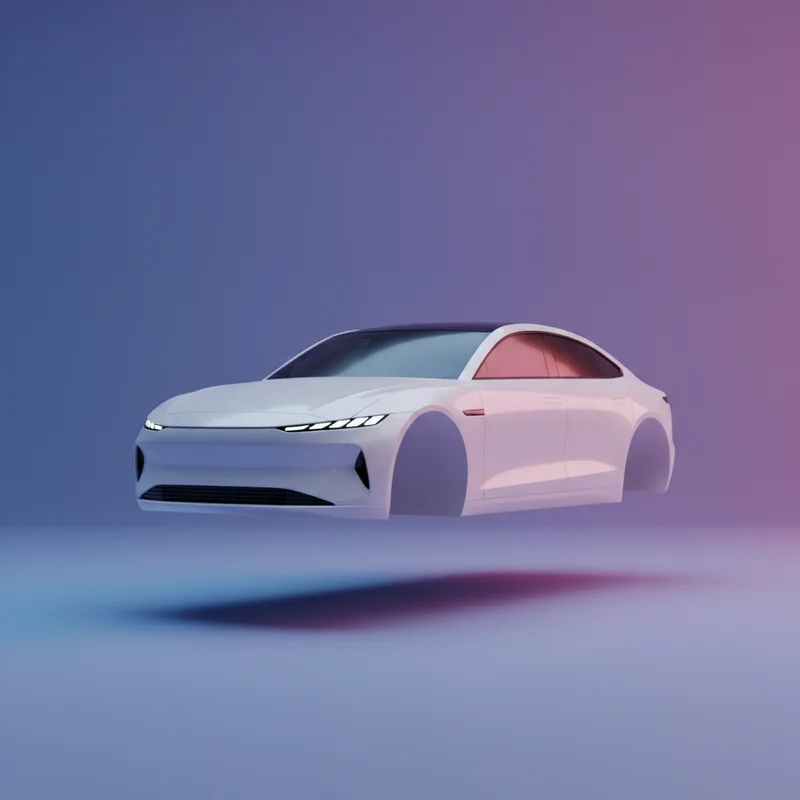
Tesla reliability surveys produce results that could charitably be described as variable. Consumer Reports has documented panel gaps requiring ruler measurement, phantom braking events, and touchscreens that forget their own existence. Early adopters have contributed invaluable data to what amounts to a rolling beta test conducted on public highways.
Yet Tesla's software-first approach enables something remarkable: vehicles that improve after purchase. Problems that would require dealer visits in traditional automobiles resolve themselves overnight through software patches. Whether this constitutes reliability or merely efficient unreliability management remains a matter of heated forum debate.