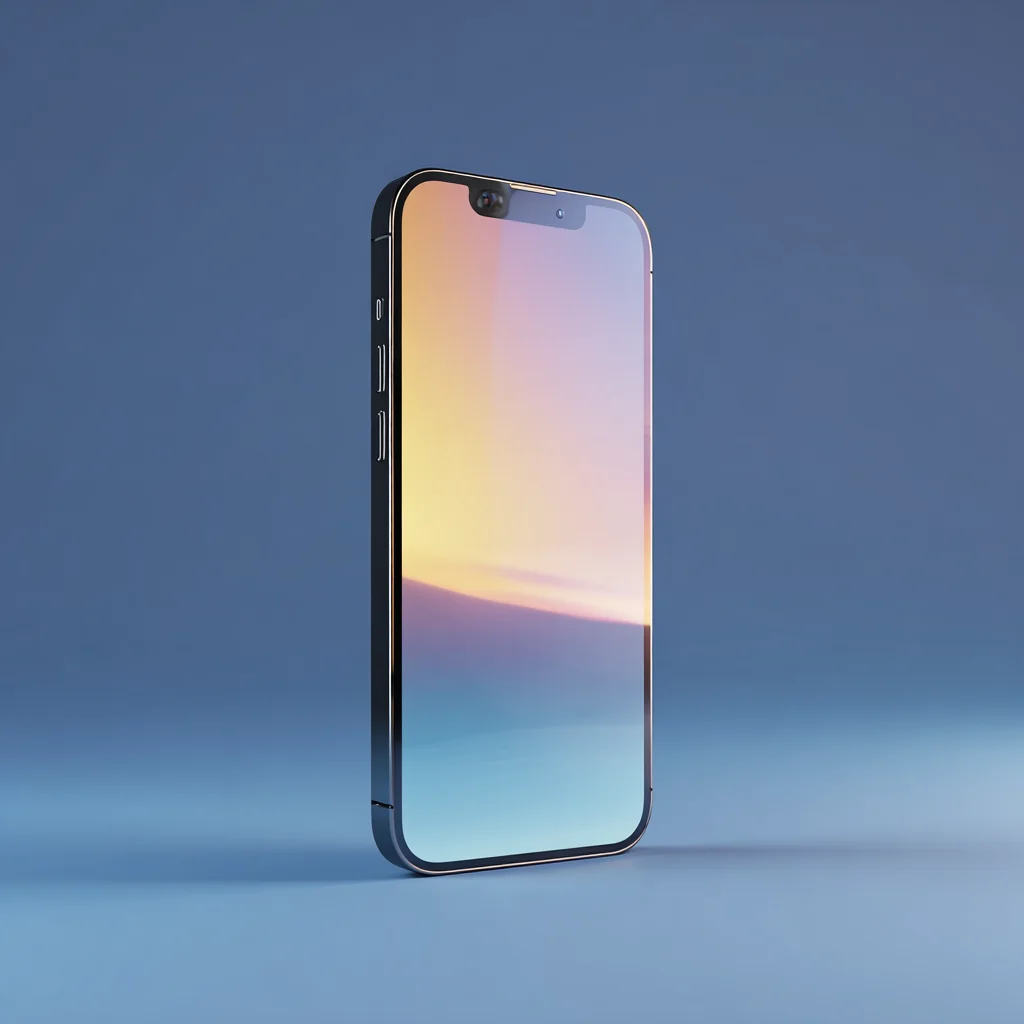

iPhone
The iPhone's relationship with durability might charitably be described as complicated. Despite Apple's considerable engineering prowess and the deployment of Ceramic Shield glass technology, the device maintains a somewhat adversarial relationship with concrete surfaces, toilet bowls, and gravitational acceleration in general.
The average iPhone screen survives approximately 18 months before displaying the characteristic spiderweb fractures that have become their own aesthetic movement. Apple's repair ecosystem generates billions in annual revenue largely from incidents involving devices meeting hard surfaces at inopportune moments. The iPhone is durable in the manner that fine china is durable: technically robust until the moment it catastrophically isn't.
Basketball
The basketball represents an exercise in engineered resilience. Constructed from composite leather or synthetic materials stretched over a butyl rubber bladder, the modern basketball is designed to absorb millions of impacts against hardwood, asphalt, and the occasional frustrated player's foot. Professional game balls maintain their structural integrity through 2,000-4,000 bounces per game.
The basketball's spherical geometry distributes impact forces uniformly across its surface, a biomechanical advantage that flat surfaces cannot replicate. NBA teams report an average ball lifespan of 10,000 bounces before retirement becomes necessary. The basketball is built not merely to survive contact but to demand it repeatedly.