
Topic Battle

Where Everything Fights Everything

iPhone

iPhone

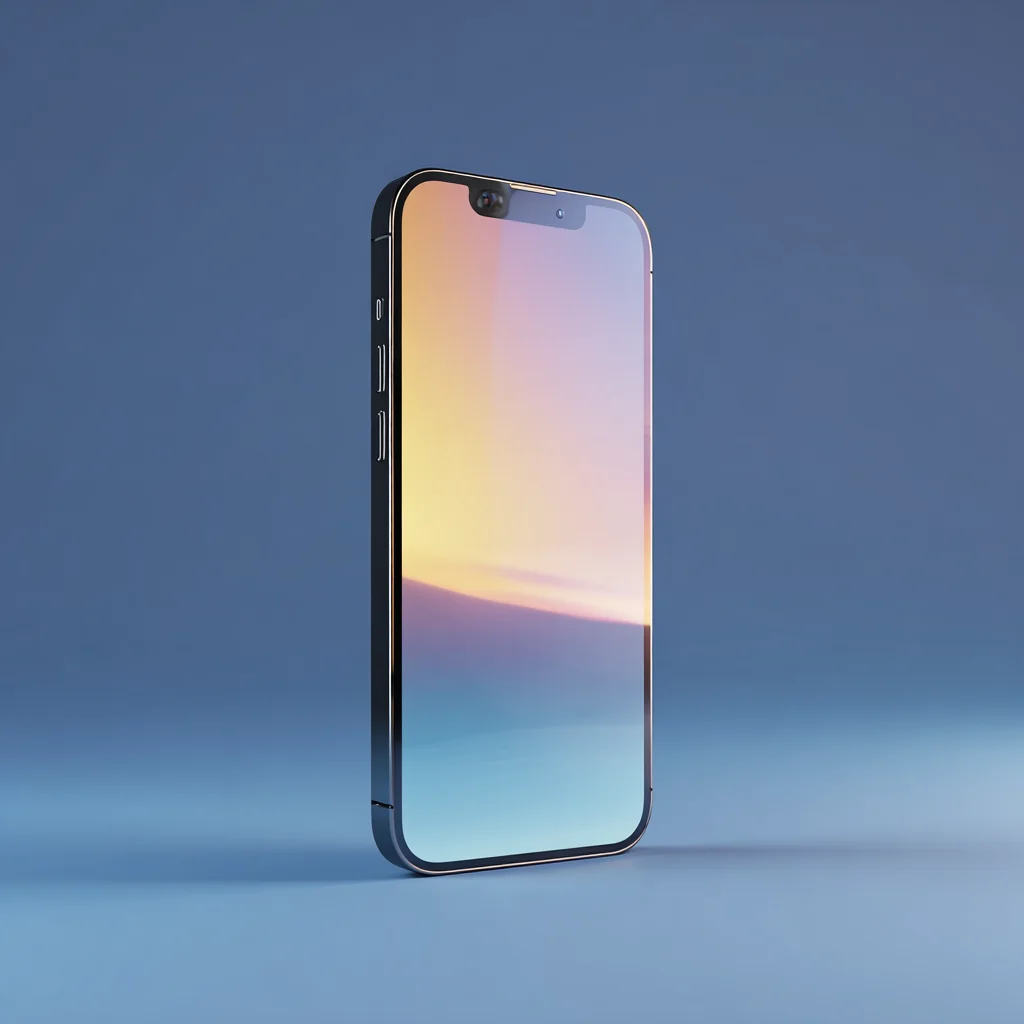
Apple's flagship smartphone line, known for its iOS operating system, premium build quality, and ecosystem integration.

VS
Boxing

Boxing

Combat sport with strict rules about hitting.

Battle Analysis

Durability boxing Wins
30%
70%
iPhone Boxing

iPhone

The iPhone presents a fascinating case study in planned obsolescence versus structural resilience. Individual devices demonstrate remarkable fragility—the familiar spider-web crack pattern of a dropped iPhone has become an unwelcome universal experience. Apple's own data suggests an average functional lifespan of three to four years before performance degradation renders replacement attractive.

However, the iPhone as a conceptual entity displays extraordinary durability. Through sixteen major iterations, the product line has not merely survived but dominated, weathering economic recessions, supply chain catastrophes, and the most determined efforts of global competitors. The durability of the iPhone lies not in any single device but in the persistence of the ecosystem itself.

Boxing

Boxing has demonstrated a remarkable capacity for survival across five millennia of human civilisation. The sport has endured religious prohibition, governmental suppression, medical condemnation, and periodic declarations of its imminent demise. Each generation produces commentators confident that boxing has reached its terminus, and each generation is proven spectacularly incorrect.

The fundamental appeal of stylised combat appears hardwired into human psychology. Despite the rise of mixed martial arts, despite concussion protocols and safety concerns, boxing persists. Its durability is not merely temporal but structural—the basic rules established by the Marquess of Queensberry in 1867 remain functionally unchanged, a stability that few human institutions can claim.

VERDICT

Five thousand years of continuous practice vastly outweighs seventeen years of iterative product releases in demonstrating true durability.
Daily utility iphone Wins
70%
30%
iPhone Boxing

iPhone

The iPhone has achieved integration into daily life so complete that its utility has become essentially invisible. Communication, navigation, financial transactions, entertainment, health monitoring, professional productivity—the device serves as the primary interface through which modern humans engage with the infrastructure of civilisation. Studies indicate the average user touches their iPhone over 2,600 times per day, a frequency of interaction that no other human tool approaches.

The practical utility extends beyond individual convenience to societal function. Emergency services, supply chains, and democratic processes now depend upon the smartphone infrastructure that the iPhone pioneered. To remove the iPhone from contemporary existence would be to fundamentally disrupt the operational mechanisms of modern society.

Boxing

Boxing's daily utility presents a more specialised profile. For professional practitioners, the sport provides livelihood, identity, and purpose. For the estimated 35 million amateur boxers worldwide, training offers cardiovascular conditioning, stress relief, and self-defence capability that serves practical functions in daily existence.

The discipline demanded by boxing—the dietary restrictions, the training regimens, the mental preparation—cultivates transferable life skills that extend well beyond the ring. Former boxers frequently cite the sport's contribution to their professional success in entirely unrelated fields. Yet this utility remains indirect, requiring significant interpretation to translate boxing skills into quotidian application.

VERDICT

Continuous integration into virtually every aspect of modern daily existence outweighs specialised utility however profound.
Global recognition iphone Wins
70%
30%
iPhone Boxing

iPhone

The iPhone has achieved a level of brand recognition that transcends mere commerce. Studies indicate that the Apple logo registers instant identification among 98% of global consumers, a figure that rivals only the most elementary symbols of human civilisation. The device has become synonymous with the very concept of the smartphone, much as Kleenex became tissue and Xerox became copying.

In developing nations and industrialised powers alike, the iPhone serves as both status symbol and essential tool. Its presence in boardrooms, classrooms, and operating theatres demonstrates a universality of application that few human inventions have achieved. The cultural shorthand of "sent from my iPhone" has become as recognisable as any national motto.

Boxing

Boxing possesses a cross-cultural recognition that predates recorded history. The sport transcends linguistic barriers through the universal language of regulated physical conflict. From the favelas of Rio to the gymnasiums of Moscow, from the streets of Manila to the arenas of Las Vegas, the raised fists of a boxer communicate an immediately understood narrative of struggle and triumph.

The sport has produced global icons—Muhammad Ali, Manny Pacquiao, Mike Tyson—whose names resonate in villages without electricity. Yet boxing's recognition, whilst profound, remains concentrated within sporting discourse rather than permeating the entirety of daily existence as its technological competitor has managed.

VERDICT

The iPhone has achieved ubiquitous daily integration across all demographics, whilst boxing remains primarily within sporting contexts.
Intimidation factor boxing Wins
30%
70%
iPhone Boxing

iPhone

The iPhone's intimidation operates through socioeconomic signalling rather than physical threat. In professional environments, the presentation of an outdated iPhone model can communicate technological obsolescence that carries genuine career implications. The device intimidates through exclusion—those without access find themselves severed from social networks, professional communications, and the basic infrastructure of modern existence.

There exists a particular form of digital anxiety induced by iPhone notifications, the constant demand for attention that the device imposes upon its user. This low-level psychological pressure, whilst not intimidating in the traditional sense, represents a novel form of technological dominance over human behaviour that previous generations could scarcely have imagined.

Boxing

Boxing possesses an intimidation factor that operates on the most primal levels of human consciousness. The trained boxer represents a credible threat of physical harm that triggers ancient survival mechanisms buried deep within the amygdala. Even in social contexts far removed from the ring, the knowledge that an individual possesses refined capability for violence commands a particular form of respect.

Professional boxers cultivate intimidation as a tactical weapon. The weigh-in staredown, the pre-fight press conference, the walkout to the ring—each element serves to establish psychological dominance before a single punch is thrown. This capacity to induce genuine fear through mere presence represents a form of power that no electronic device, however sophisticated, can replicate.

VERDICT

Primal fear of physical violence creates deeper intimidation than socioeconomic anxiety induced by technology ownership.
Historical significance boxing Wins
30%
70%
iPhone Boxing

iPhone

The iPhone represents one of the most significant technological inflection points in human history. Historians increasingly mark 29 June 2007—the date of the original iPhone release—as a civilisational watershed comparable to the printing press or the steam engine. The device democratised computing, reshaped global commerce, and fundamentally altered human social behaviour within a single generation.

The smartphone revolution catalysed by the iPhone has toppled governments, enabled social movements, and created entirely new categories of human experience. Future historians may well divide human development into pre-smartphone and post-smartphone eras, with the iPhone serving as the instrument of that transformation.

Boxing

Boxing's historical significance spans the entirety of recorded civilisation. Ancient Sumerian tablets from 3000 BCE depict boxing matches; the sport featured in the original Olympic Games of 688 BCE. Boxing has served as metaphor for political conflict, as vehicle for social mobility, and as expression of national identity across diverse cultures and epochs.

The sport has shaped history directly—Joe Louis's defeat of Max Schmeling carried profound implications for pre-war American morale; Muhammad Ali's conscientious objection influenced an entire generation's relationship to military service. Boxing's contribution to human narrative extends far beyond athletic competition into the fundamental stories civilisation tells about itself.

VERDICT

Five millennia of continuous cultural significance marginally exceeds the transformative but temporally limited impact of seventeen years.
👑

The Winner Is

iPhone

52 - 48

This comprehensive analysis reveals a competition of remarkable equilibrium. The iPhone claims victory in Global Recognition and Daily Utility, demonstrating the unprecedented integration of technology into the fabric of contemporary existence. Boxing prevails in Durability, Intimidation Factor, and Historical Significance, representing the enduring power of primal human experience across the full span of civilisation.

With a final score of 52-48, the iPhone emerges as the marginal victor—a verdict that speaks less to boxing's inadequacy than to the extraordinary scope of smartphone colonisation of modern life. The iPhone's triumph is one of omnipresence rather than depth, of breadth rather than permanence. Boxing may endure long after the last iPhone has returned to its constituent elements, but in this present moment, the device from Cupertino commands the greater share of human attention.

iPhone
52%
Boxing
48%

Share this battle

More Comparisons