Topic Battle

Where Everything Fights Everything

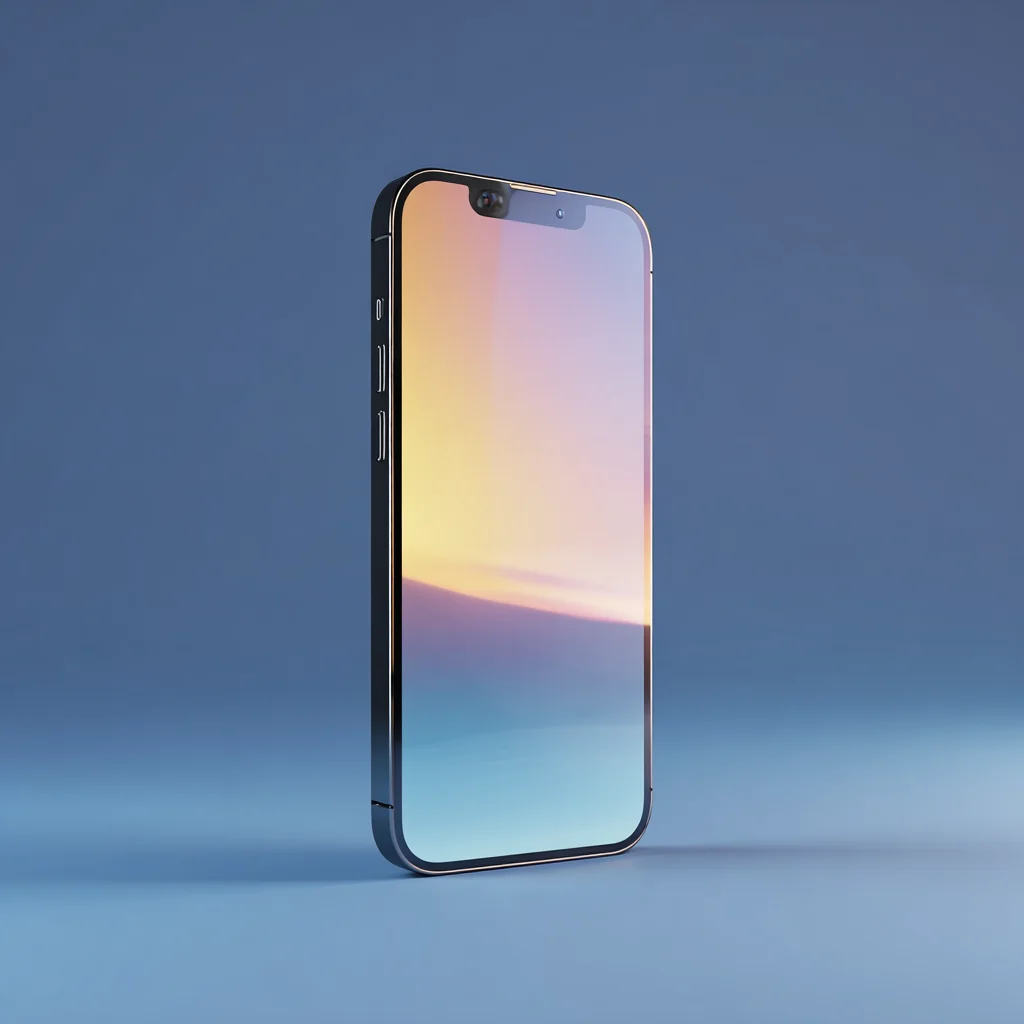
iPhone

iPhone

Apple's flagship smartphone line, known for its iOS operating system, premium build quality, and ecosystem integration.

VS
Crocodile

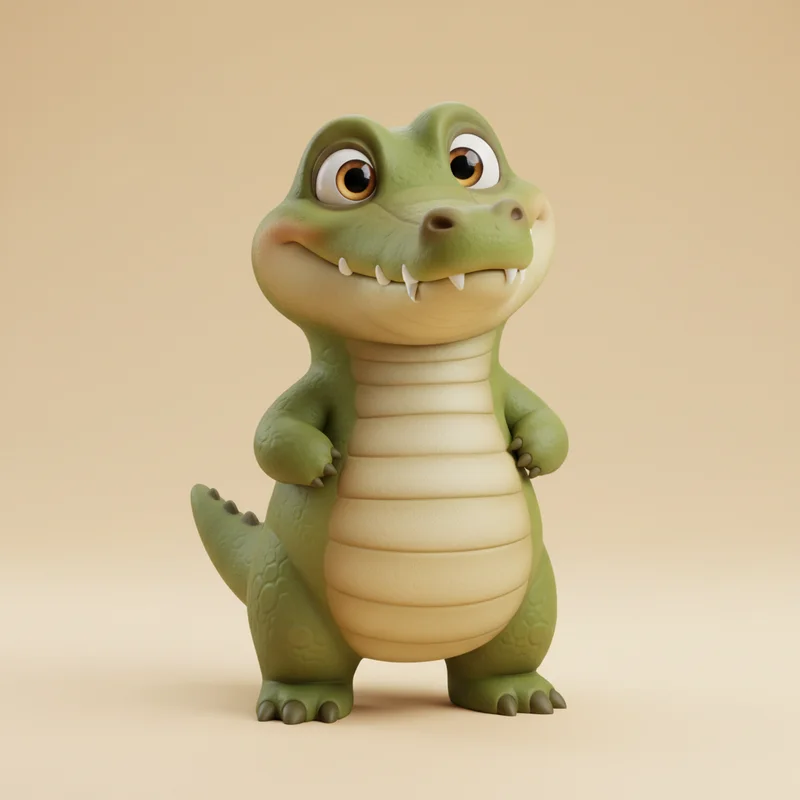
Crocodile

Ancient apex predator unchanged for millions of years, featuring death roll attacks and maternal care.

Battle Analysis

Speed iphone Wins
70%
30%
iPhone Crocodile

iPhone

The iPhone A17 Pro chip processes instructions at speeds exceeding 3.78 gigahertz, executing 17 trillion operations per second through its neural engine. Data transmission via 5G connectivity achieves theoretical throughput of 10 gigabits per second, enabling near-instantaneous global communication. Application launch times have been optimised to millisecond precision through years of software refinement.

This computational velocity enables real-time video processing, instantaneous translation across dozens of languages, and financial transactions completed before the human eye registers the screen change. In the digital realm, the iPhone approaches the practical limits of useful speed.

Crocodile

The crocodile's ambush strike represents one of nature's most explosive accelerations. From complete stillness, the animal achieves jaw closure speeds of under 50 milliseconds, faster than human visual processing can register. On land, short bursts reach 17 kilometres per hour, whilst swimming velocity approaches 32 kilometres per hour through powerful tail propulsion.

However, the crocodile's speed strategy differs fundamentally from continuous performance. These are anaerobic burst capabilities designed for single decisive actions rather than sustained operation. The crocodile measures success not in operations per second but in successful prey acquisition per attempt, reportedly achieving 60% strike success rates among ambush predators.

VERDICT

Seventeen trillion operations per second in sustained performance exceeds biological burst capability measured in single strikes
Durability crocodile Wins
30%
70%
iPhone Crocodile

iPhone

The iPhone's construction represents significant engineering achievement, with aerospace-grade aluminium frames and Ceramic Shield front covers rated for four-metre drop survival under laboratory conditions. The IP68 water resistance certification permits submersion to six metres for thirty minutes, a capability that would have seemed fantastical to mobile telephone engineers of previous decades.

However, practical durability tells a different story. Screen replacement remains the most common smartphone repair, with studies indicating 29% of iPhone users operate devices with cracked displays. The battery chemistry degrades predictably, losing approximately 20% capacity within two years of regular use. Average functional lifespan rarely exceeds five years before obsolescence claims another unit.

Crocodile

The crocodilian integumentary system represents 200 million years of defensive refinement. Osteoderms, bony deposits embedded within the dermis, create natural armour capable of deflecting all but the most determined attacks. The hide's thickness reaches 15 millimetres in mature specimens, with collagen fibre arrangements providing both flexibility and puncture resistance that materials scientists continue to study for biomimetic applications.

Individual crocodiles routinely survive wounds that would prove fatal to most vertebrates, with documented cases of specimens reaching 70 years or more in wild populations. The species has survived asteroid impacts, ice ages, and continental drift. This durability operates on timescales the iPhone cannot conceptually approach.

VERDICT

Two hundred million years of proven survival through mass extinction events vastly exceeds five years of planned obsolescence
Intimidation factor crocodile Wins
30%
70%
iPhone Crocodile

iPhone

The iPhone projects social intimidation through what sociologists classify as conspicuous consumption signalling. The Pro Max variant, retailing at over 1,200 pounds, communicates economic capability and technological sophistication within social hierarchies. Studies indicate smartphone brand correlates with perceived professional competence in 73% of surveyed hiring managers.

This intimidation operates exclusively within human social constructs and carries no physical threat component whatsoever. The device cannot cause harm beyond perhaps minor screen-edge lacerations to fumbling fingers. Its maximum defensive deployment involves summoning emergency services or perhaps temporarily blinding an assailant with torch illumination.

Crocodile

The saltwater crocodile commands instinctual terror through objective physical capability. Bite force measurements record 16,460 newtons, the highest verified among any living animal, sufficient to crush bone and breach turtle shells with ease. Adult males regularly exceed five metres in length and 450 kilograms in mass, with confirmed specimens approaching seven metres.

Human fatality statistics present stark evidence of intimidation grounded in reality: saltwater crocodiles account for an estimated 1,000 deaths annually across their range. The species' reputation has penetrated deep into indigenous Australian and Southeast Asian cultural consciousness, manifesting in taboos, rituals, and territorial avoidance behaviours spanning thousands of generations.

VERDICT

Sixteen thousand newtons of bite force and documented human fatalities constitute genuine threat versus mere social status projection
Environmental impact crocodile Wins
30%
70%
iPhone Crocodile

iPhone

iPhone production requires extraction of over 60 distinct elements, including cobalt, lithium, and rare earth minerals. Manufacturing a single unit generates approximately 70 kilograms of carbon dioxide equivalent, with the full lifecycle reaching 83 kilograms including usage electricity. Global iPhone production contributes measurably to electronic waste streams, with only 17% of units properly recycled.

The environmental footprint extends to mining practices in regions including the Democratic Republic of Congo and Chile, where extraction operations produce lasting ecological disruption. This represents a definitively negative environmental impact of considerable scale.

Crocodile

The crocodile functions as a keystone species within aquatic ecosystems, providing services that ecologists increasingly recognise as essential. Nutrient cycling between aquatic and terrestrial environments occurs through feeding behaviour and excretion, whilst nest construction creates microhabitats utilised by numerous species. Predation pressure maintains healthy fish and waterfowl populations through natural selection.

Crocodile wallowing behaviour creates water retention features that sustain other species during drought conditions. Research indicates removal of apex crocodilians from ecosystems produces cascading negative effects including fish population collapse and increased waterborne disease prevalence. The species contributes positively to environmental function.

VERDICT

Keystone species providing ecosystem services contrasts definitively with documented extraction damage and e-waste contribution
Evolutionary success crocodile Wins
30%
70%
iPhone Crocodile

iPhone

The iPhone lineage demonstrates what technology historians term accelerated iterative development, producing over 40 distinct models within seventeen years. Market penetration has achieved saturation levels previously unknown in consumer electronics, with Apple capturing approximately 27% of global smartphone market share and dominating the premium segment.

Yet this success remains entirely dependent upon human infrastructure: manufacturing facilities, rare earth mining operations, global supply chains, and continuous software support. Remove human civilisation, and iPhone evolution ceases immediately. The device cannot reproduce, cannot adapt without external intervention, and contributes nothing to its own survival.

Crocodile

Crocodilians represent perhaps the most successful vertebrate body plan in Earth's history. The basic crocodilian form emerged approximately 200 million years ago during the Triassic period and has required minimal modification since. This design survived the Cretaceous-Palaeogene extinction event that eliminated approximately 76% of all species, including the non-avian dinosaurs.

Current populations span 23 species across four families, occupying ecological niches from Australian estuaries to African rivers to American swamplands. This represents genuine evolutionary fitness: a design so effective that natural selection has found negligible room for improvement across geological timescales.

VERDICT

Surviving mass extinction events and persisting for 200 million years demonstrates fitness no seventeen-year-old technology can claim
👑

The Winner Is

Crocodile

42 - 58

The examination reveals an outcome that should surprise no student of evolutionary biology. Whilst the iPhone demonstrates undeniable superiority in computational speed, achieving operations per second that biological systems cannot conceptually approach, this single victory proves insufficient against the crocodile's accumulated advantages across every other measured domain.

The crocodile's advantages derive from temporal scales that render technological achievement contextually insignificant. Two hundred million years of evolutionary refinement have produced an organism requiring no maintenance, no external support, and no planned updates. The iPhone requires all three merely to function beyond half a decade. Final score: Crocodile 58, iPhone 42.

iPhone
42%
Crocodile
58%

Share this battle

More Comparisons