Topic Battle

Where Everything Fights Everything

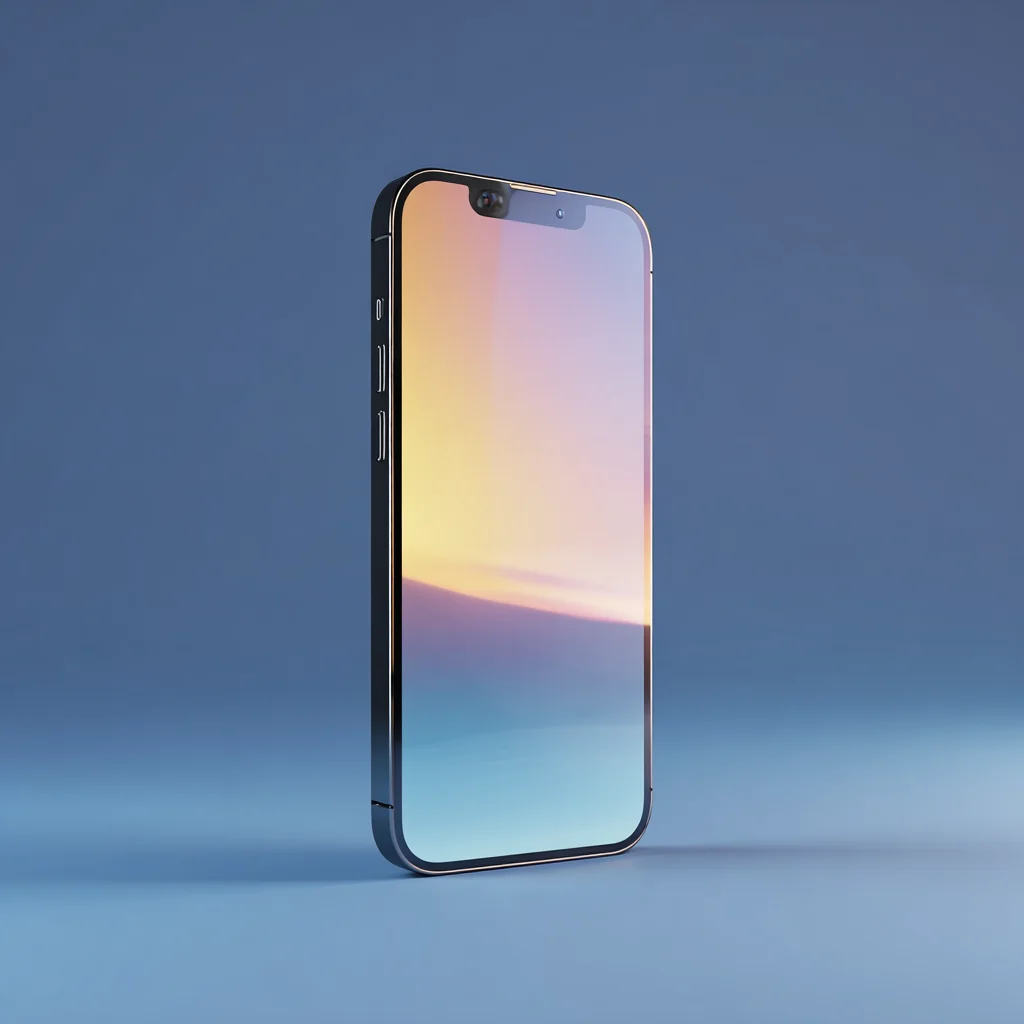
iPhone

iPhone

Apple's flagship smartphone line, known for its iOS operating system, premium build quality, and ecosystem integration.

VS
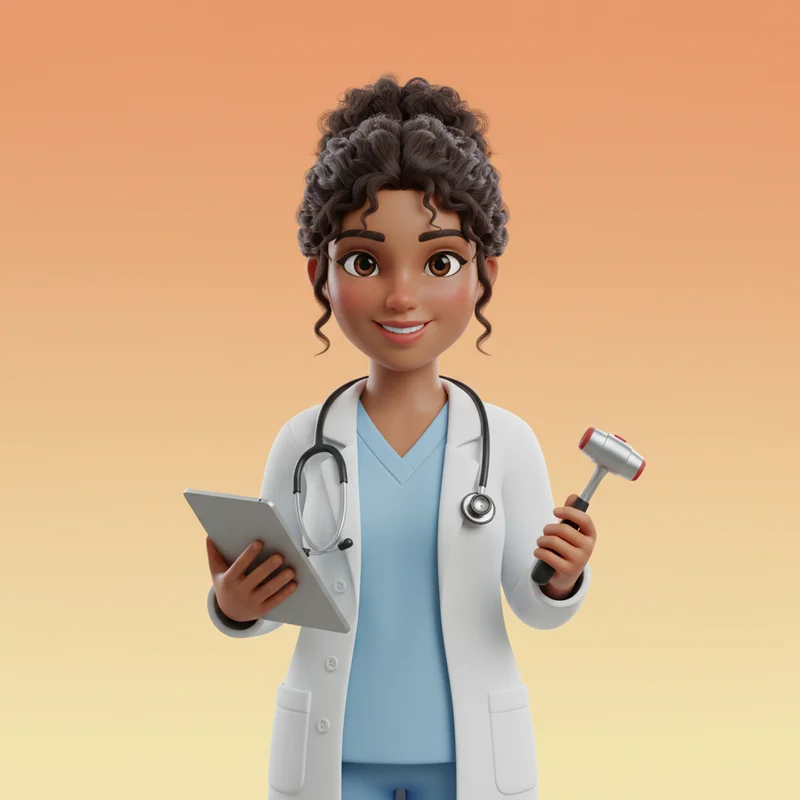
Doctor

Doctor

Medical professional healing and prescribing.

Battle Analysis

Longevity doctor Wins
30%
70%
iPhone Doctor

iPhone

The individual iPhone device maintains functional relevance for approximately 4-6 years before software updates cease and planned obsolescence completes its inevitable work. Apple has shipped over 2.3 billion units since 2007, each following this predetermined lifecycle toward electronic retirement.

The iPhone as concept, however, demonstrates considerable durability. The smartphone form factor has dominated personal technology for nearly two decades and shows no signs of displacement. Future iterations will differ in specification but maintain essential identity, suggesting institutional longevity exceeding individual device lifespan.

Doctor

The medical profession predates recorded history and has demonstrated remarkable resilience across civilisational transitions. From Hippocrates through medieval barber-surgeons to modern specialists, the figure of the healer persists with notable consistency. The doctor has survived the printing press, the industrial revolution, and the internet—adapting methods whilst maintaining essential function.

Individual practitioners face mandatory retirement after approximately 30-40 years of practice, but the profession regenerates through educational institutions producing 700,000 new physicians annually worldwide. This reproductive capacity ensures continuity that no technology company has yet achieved.

VERDICT

Five millennia of continuous operation versus seventeen years of existence creates an insurmountable longevity differential.
Reliability doctor Wins
30%
70%
iPhone Doctor

iPhone

The iPhone maintains an impressive operational consistency, functioning precisely as designed approximately 99.7% of the time. Software updates arrive with regularity, bugs are addressed with corporate efficiency, and hardware failures remain relatively uncommon during the device's 3-4 year practical lifespan.

Yet reliability concerns persist. Battery degradation follows predictable decline curves, screen fragility remains a persistent vulnerability, and the device's dependence on external infrastructure—cellular networks, WiFi signals, electrical outlets—introduces systemic risk. When the iPhone fails, modern life experiences a curious paralysis.

Doctor

Medical reliability presents more complex metrics. Diagnostic accuracy varies considerably by condition and specialisation, with studies suggesting rates between 75-95% depending on presentation complexity. The phenomenon of diagnostic error affects approximately 12 million adults annually in certain healthcare systems, a figure both concerning and statistically inevitable.

However, the medical profession has built robust systems of redundancy: second opinions, specialist referrals, diagnostic testing, and peer review. When individual reliability falters, systemic reliability compensates. The doctor, unlike the iPhone, can acknowledge uncertainty and seek external verification without experiencing an existential crisis.

VERDICT

Built-in redundancy systems and capacity for self-correction grant medicine superior reliability in consequential matters.
Accessibility iphone Wins
70%
30%
iPhone Doctor

iPhone

Apple has distributed its devices with remarkable global reach. The iPhone operates in 175 countries, speaks 40 languages, and maintains retail presence in major metropolitan centres worldwide. Acquisition requires merely financial capacity and a willingness to accept the terms and conditions nobody reads.

The democratisation of technology has made smartphone access nearly universal in developed nations, with penetration rates exceeding 85% in most Western countries. Even refurbished models extend accessibility to budget-conscious consumers. The iPhone, in this regard, has achieved something approaching ubiquity.

Doctor

Medical accessibility presents a far more troubled landscape. Approximately half the world's population lacks access to essential health services, according to World Health Organisation data. Even in wealthy nations, physician shortages, appointment delays, and insurance barriers create meaningful access constraints.

The average wait time for a general practitioner appointment varies from days to weeks depending on geography and system structure. Specialist consultation may require months. The doctor, despite millennia of existence, remains a scarce resource distributed with profound inequality across populations and socioeconomic strata.

VERDICT

Global distribution networks and mass production have made iPhone access substantially more achievable than healthcare access.
Daily utility iphone Wins
70%
30%
iPhone Doctor

iPhone

The iPhone has achieved what no other device in history has managed: total integration into human consciousness. It serves as alarm clock, camera, calculator, map, entertainment centre, communication hub, and emotional support mechanism. Studies indicate the average user touches their device 2,617 times per day, a figure that would concern any healthcare professional.

Its utility extends beyond mere function. The iPhone has become a psychological anchor, providing comfort through its constant presence and mild panic through its absence. It facilitates work, enables social connection, and ensures that no moment of boredom need ever be experienced again.

Doctor

The doctor's daily utility operates on an entirely different temporal scale. Whilst the iPhone demands constant interaction, the doctor functions on appointment-based intervention. The average individual consults a physician approximately three times annually, suggesting either remarkable efficiency or concerning underutilisation.

However, when utility is required, its magnitude is substantial. The doctor can interpret symptoms, prescribe treatments, perform surgical interventions, and occasionally save lives—capabilities the iPhone has yet to master despite its Health app ambitions. The asymmetry of frequency versus importance presents a genuine analytical challenge.

VERDICT

Sheer omnipresence in daily life grants the iPhone supremacy in raw utility frequency, despite lower stakes per interaction.
Cost efficiency iphone Wins
70%
30%
iPhone Doctor

iPhone

The iPhone commands a premium price point, with flagship models approaching $1,200 and maintaining value through Apple's carefully orchestrated upgrade cycle. Total cost of ownership, including accessories, repairs, insurance, and service plans, extends substantially beyond initial purchase price.

Yet the device consolidates numerous functions previously requiring separate purchases: cameras, music players, GPS units, calculators, watches, and more. The functional density of the iPhone represents genuine economic value, replacing perhaps $3,000-5,000 worth of individual devices from previous technological eras. By this calculus, the iPhone approaches something resembling efficiency.

Doctor

Medical costs defy simple categorisation. A routine consultation may cost $50-300 depending on jurisdiction and insurance status. However, medical intervention can rapidly escalate into figures requiring mortgage-style financing: surgical procedures routinely exceed $10,000-100,000 in certain healthcare markets.

The efficiency question depends entirely on outcome valuation. If the doctor prevents serious illness or extends lifespan, the return on investment becomes essentially incalculable. If the consultation concludes with advice to rest and drink fluids, the cost-benefit analysis shifts considerably. Medicine operates in a domain where value resists conventional economic measurement.

VERDICT

Predictable costs and measurable functional consolidation make iPhone economics comprehensible; medical costs remain systemically unpredictable.
👑

The Winner Is

Doctor

47 - 53

The tabulation reveals a contest far closer than anticipated. The iPhone claims three criteria—daily utility, accessibility, and cost efficiency—whilst the doctor prevails in reliability and longevity. Yet numerical parity obscures qualitative asymmetry: the doctor's victories occur in domains of greater consequence.

The iPhone has mastered the art of being needed constantly for matters of diminishing importance. The doctor has maintained relevance for matters of ultimate significance whilst accepting relative scarcity of engagement. One demands attention; the other commands respect.

With a final tally of 47-53, the doctor claims modest victory—a margin reflecting medicine's enduring importance against technology's pervasive presence. Both entities will continue their parallel dominion over human attention and anxiety.

iPhone
47%
Doctor
53%

Share this battle

More Comparisons