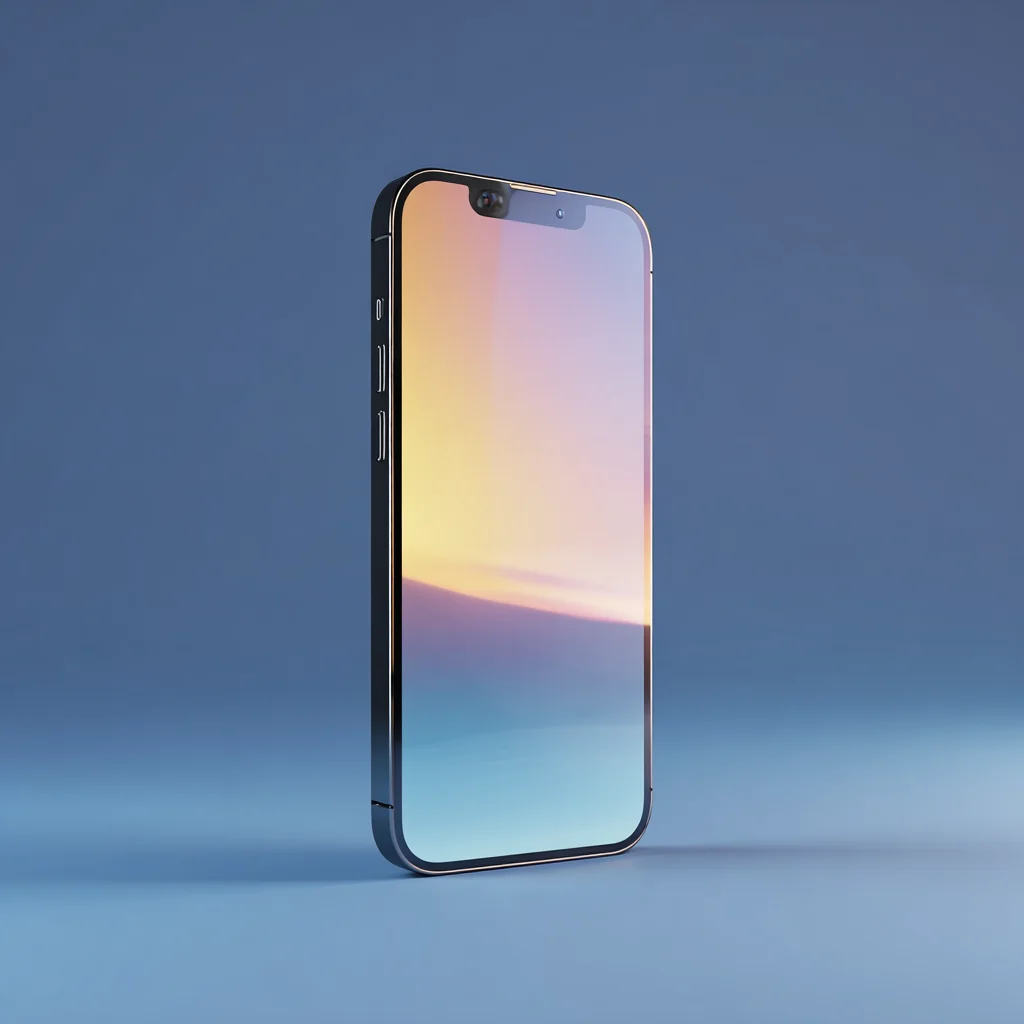
iPhone
The iPhone has established a reputation for consistent functionality that approaches the remarkable. Software updates arrive with clockwork regularity, and the device performs its appointed tasks with minimal deviation from expected behaviour. The failure rate remains below 3 percent within the first year of ownership, a figure that would satisfy quality control engineers in most industries.
However, the iPhone's reliability is increasingly compromised by its planned obsolescence. Battery degradation accelerates after approximately 500 charge cycles, and software updates progressively slow older devices to the point of frustration. The reliable device gradually becomes unreliably slow, encouraging the purchase of its replacement.
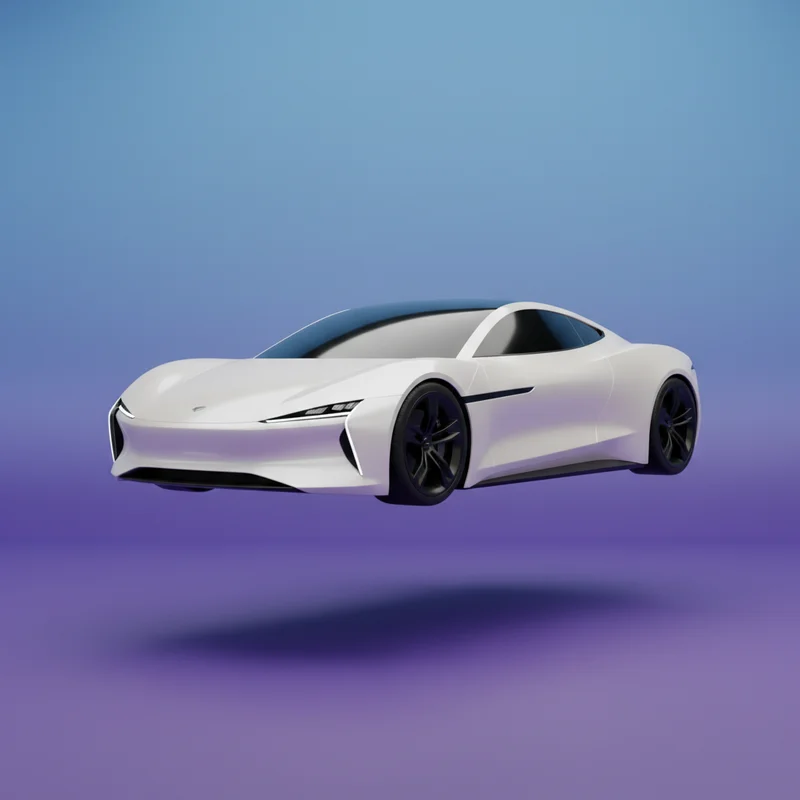
Electric Car
The Electric Car benefits from mechanical simplicity that would have astonished engineers of the combustion era. With approximately 20 moving parts compared to the internal combustion engine's 2,000, the opportunities for mechanical failure have been dramatically reduced. The electric motor itself requires virtually no maintenance and can operate for hundreds of thousands of miles without significant intervention.
The battery pack, however, introduces its own reliability concerns. Range degradation of 2-3 percent annually means the vehicle slowly loses its capacity to travel between charging stations. In extreme temperatures, available range can fluctuate by 30 percent or more, introducing an element of uncertainty absent from traditional vehicles with their reassuringly predictable fuel gauges.