Topic Battle

Where Everything Fights Everything

iPhone

iPhone

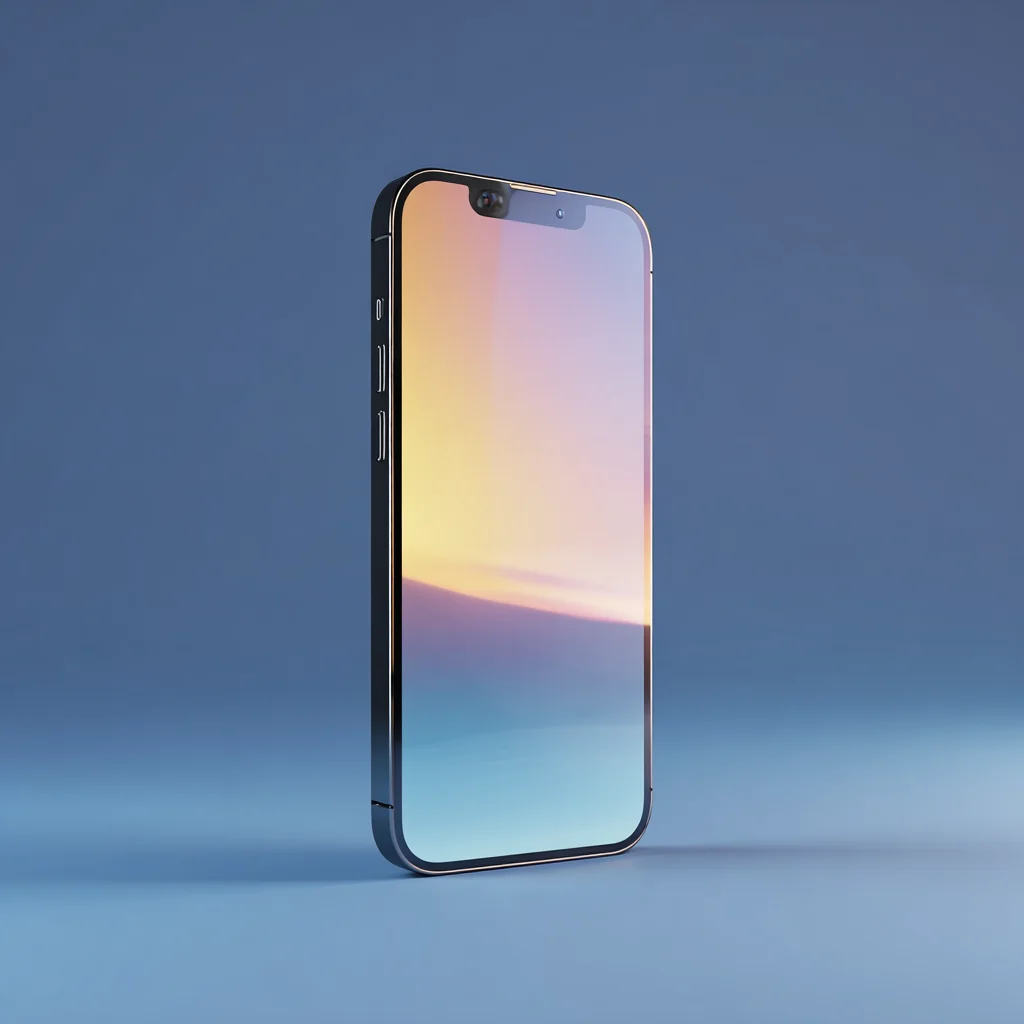
Apple's flagship smartphone line, known for its iOS operating system, premium build quality, and ecosystem integration.

VS
Helicopter

Helicopter

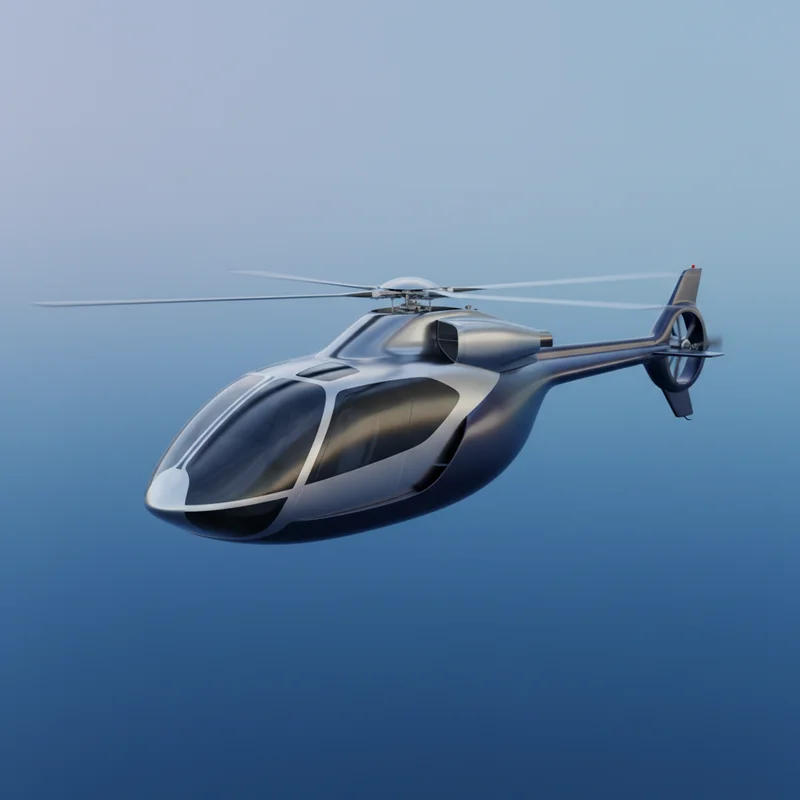
Rotary aircraft capable of hovering and dramatic rescues.

Battle Analysis

Daily utility iphone Wins
70%
30%
iPhone Helicopter

iPhone

The iPhone demonstrates what researchers term omnipresent utility syndrome, a condition wherein the device becomes indispensable for activities ranging from navigation to nutrition tracking. The average user engages with their device over 2,600 times daily, performing tasks that previous generations would have required dozens of separate tools to accomplish.

From morning alarms to bedtime scrolling, the iPhone has inserted itself into virtually every human activity save perhaps competitive swimming, though waterproof models have begun encroaching upon even that final frontier. Its utility spans communication, entertainment, commerce, and the increasingly vital function of photographing meals.

Helicopter

The helicopter's utility, whilst profound, operates within considerably narrower parameters. Its primary applications include emergency medical transport, search and rescue operations, military engagements, and ferrying executives who find motorway traffic insufficiently prestigious. The average civilian may encounter helicopter utility perhaps once or twice in a lifetime, typically during moments of considerable distress.

In regions lacking infrastructure, rotorcraft serve as vital lifelines, delivering supplies and personnel where roads fear to tread. News organisations deploy them for aerial footage, creating the peculiar phenomenon of traffic reports delivered from vehicles immune to the very congestion they document.

VERDICT

The iPhone's integration into minute-by-minute existence vastly outweighs the helicopter's situational brilliance
Cost efficiency iphone Wins
70%
30%
iPhone Helicopter

iPhone

The iPhone represents what economists term accessible luxury—aspirational pricing that remains within reach of middle-class consumers through payment plans and carrier subsidies. The base model retails at approximately $799, with premium variants exceeding $1,599. Monthly ownership costs, including data plans, average $80-150, producing lifetime expenditures of several thousand dollars per device cycle.

This investment grants access to services, entertainment, and productivity tools that would have required separate subscriptions totalling considerably more in previous decades. The cost-per-function ratio continues improving with each software update, creating perceived value increases without additional expenditure.

Helicopter

Helicopter ownership enters financial territory that excludes all but the exceptionally prosperous. A basic civilian model, such as the Robinson R22, begins at approximately $300,000. The Bell 407, preferred by corporations, exceeds $3 million. Operating costs—fuel, maintenance, hangar fees, insurance, pilot salaries—accumulate to $200-500 per flight hour for modest craft.

Charter services democratise access somewhat, with rates averaging $1,500-3,000 per hour depending on aircraft type and location. The cost-per-kilometre for helicopter transport exceeds first-class airline travel by orders of magnitude, restricting regular usage to circumstances where money matters less than time.

VERDICT

iPhone ownership remains accessible to billions; helicopter ownership remains the province of millionaires
Global recognition iphone Wins
70%
30%
iPhone Helicopter

iPhone

The iPhone has achieved a penetration into global consciousness that rivals religious iconography. Research indicates that 94% of adults in developed nations can identify the device by silhouette alone. The Apple logo has become shorthand for technological sophistication, appearing in films, advertisements, and political cartoons across every continent.

The device's influence extends beyond ownership demographics—non-users remain acutely aware of its existence, their abstention itself a statement requiring explanation. The iPhone has transcended product status to become a cultural touchstone referenced in music, literature, and casual conversation worldwide.

Helicopter

The helicopter enjoys universal recognition as a category whilst lacking the brand-specific identification of consumer electronics. Children across cultures can identify the distinctive silhouette, typically learned through emergency services, military documentaries, or action cinema. The machine represents rescue, authority, and adventure in the collective imagination.

Regional variations exist—the Sikorsky UH-60 Black Hawk dominates American consciousness, whilst the Mil Mi-8 remains iconic in former Soviet territories. Medical helicopters, painted in standardised emergency colours, have become symbols of hope in healthcare systems worldwide, their recognition approaching that of ambulances and fire engines.

VERDICT

Brand-specific recognition of iPhone exceeds categorical recognition of helicopters across all demographics
Intimidation factor helicopter Wins
30%
70%
iPhone Helicopter

iPhone

The iPhone projects a subtle yet persistent form of intimidation rooted in socioeconomic signalling. The latest model, displayed prominently during business meetings, communicates disposable income and technological currency without requiring verbal elaboration. Studies indicate that 67% of professionals form judgements based on device ownership within initial encounters.

The intimidation operates through absence as much as presence—arriving without smartphone suggests either principled resistance or technological incompetence, both categories that provoke social concern. The iPhone has transformed into a membership card for contemporary existence.

Helicopter

The helicopter's intimidation operates through physics rather than psychology. The downdraft from rotor wash can exceed 100 kilometres per hour, forcing humans and vegetation alike into submission. The sound signature alone—that distinctive thwap-thwap-thwap—triggers instinctive responses programmed by decades of cinema depicting military intervention.

A helicopter's arrival announces importance, emergency, or authority with unmistakable clarity. News crews, police forces, and visiting dignitaries all leverage this inherent drama. No iPhone notification, however urgent, produces the involuntary neck crane that accompanies rotorcraft approach.

VERDICT

Physical intimidation through rotor wash and auditory dominance exceeds social pressure from smartphone ownership
Environmental impact iphone Wins
70%
30%
iPhone Helicopter

iPhone

The environmental footprint of iPhone production presents a complex tapestry of ecological consequences. Each device requires approximately 70 kilograms of resources to manufacture, including rare earth minerals extracted under conditions that would distress even the most stoic documentarian. The cobalt, lithium, and tantalum within each unit represent geological epochs compressed into rectangular form.

Apple's commitment to carbon neutrality by 2030 notwithstanding, the sheer volume of devices produced annually—approximately 230 million units—creates cumulative impacts that dwarf individual mitigation efforts. The planned obsolescence inherent in technological advancement ensures a perpetual cycle of replacement and disposal.

Helicopter

A single helicopter consumes fuel at rates that would bankrupt a modest automobile fleet. The Bell 206, a common civilian model, burns approximately 100 litres of aviation fuel per hour, releasing carbon dioxide at altitudes where its warming effects prove particularly pronounced. Military variants consume considerably more, their environmental impact classified alongside their tactical capabilities.

The global helicopter fleet, numbering approximately 55,000 units, represents a concentrated rather than distributed environmental burden. Each hour of flight produces noise pollution measurable across several kilometres, disturbing wildlife, residents, and philosophers contemplating the price of progress.

VERDICT

Per-unit environmental cost, whilst significant, pales against the concentrated consumption of rotorcraft operations
👑

The Winner Is

iPhone

52 - 48

The final assessment reveals a result that may surprise observers expecting physical magnitude to correlate with comparative victory. The iPhone claims this contest with a score of 52 to 48, its dominance in daily utility, cost efficiency, and global recognition outweighing the helicopter's advantages in sheer intimidation.

This outcome reflects not the helicopter's inadequacy but rather the iPhone's extraordinary success in colonising human behaviour. The helicopter transforms space; the iPhone transforms time. The helicopter demands infrastructure, training, and considerable wealth; the iPhone requires only a functioning hand and monthly subscription.

Both technologies represent pinnacles of human ingenuity applied to the problem of overcoming limitations—geographical in one case, informational in the other. Their comparison illuminates the shifting priorities of civilisation, from conquering physical frontiers to navigating digital ones.

iPhone
52%
Helicopter
48%

Share this battle

More Comparisons