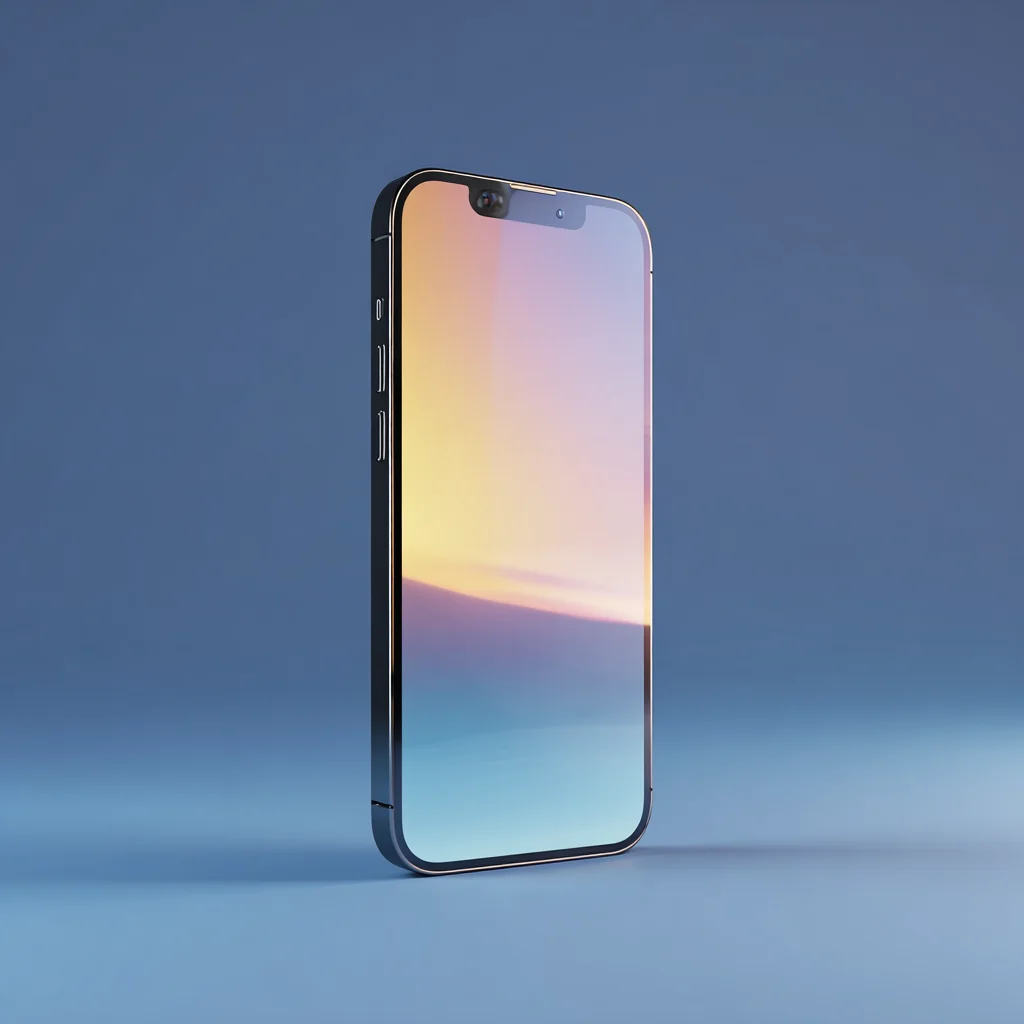
iPhone
Contemporary iPhone engineering incorporates Ceramic Shield glass and titanium frames designed to survive the ordinary traumas of consumer existence. Drop tests certify survival from heights of 1.8 metres onto controlled surfaces. Water resistance permits submersion to six metres for thirty minutes, a specification that reassures owners who favour poolside photography.
Yet the iPhone remains fundamentally fragile by the standards of entities that must survive in genuinely hostile environments. A single impact at unfortunate angles can compromise display assemblies worth hundreds of dollars. Battery capacity degrades inevitably, with cells typically retaining only 80% capacity after 500 charge cycles. The device cannot heal, cannot regenerate, and cannot survive encounters with the entity to which it is being compared.
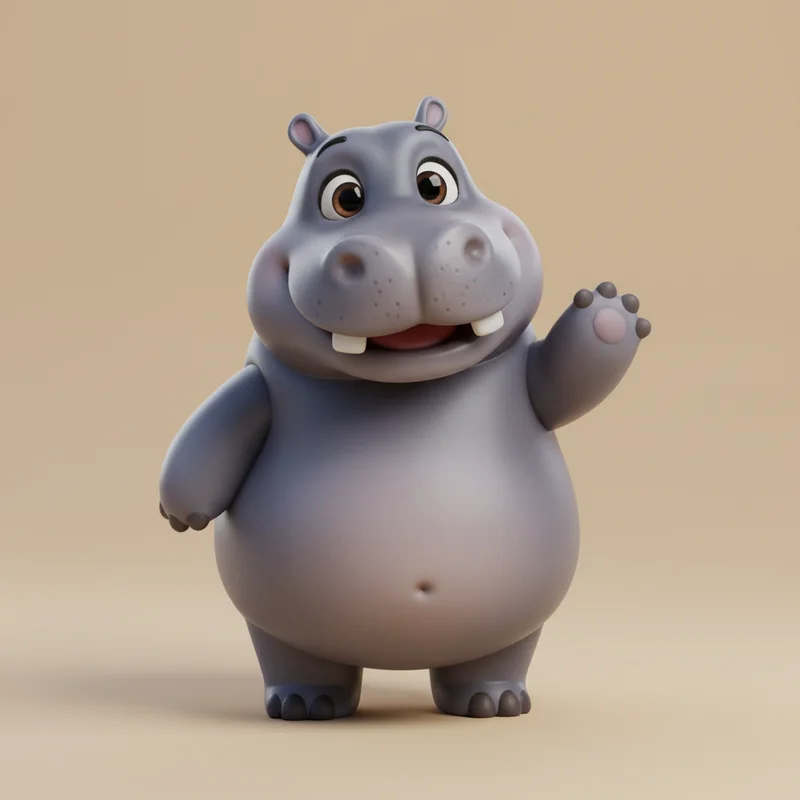
Hippo
The hippopotamus epidermis measures five centimetres thick across most of the body, creating natural armour that deflects attacks from predators that have successfully hunted every other large African mammal. This skin secretes hipposudoric acid, a natural sunscreen and antibacterial compound that maintains tissue integrity despite continuous aquatic exposure. Lions have learned, through costly experience, that hippopotamus predation is inadvisable.
Internal durability matches external protection. The hippopotamus cardiovascular system supports a resting heart rate of 40 beats per minute that can sustain underwater submersion for five minutes. Skeletal density permits walking along riverbeds at depths that would crush air-breathing mammals of lesser construction. The average hippopotamus operational lifespan of 40-50 years exceeds iPhone product cycles by factors of ten or more.