
Topic Battle

Where Everything Fights Everything

iPhone

iPhone

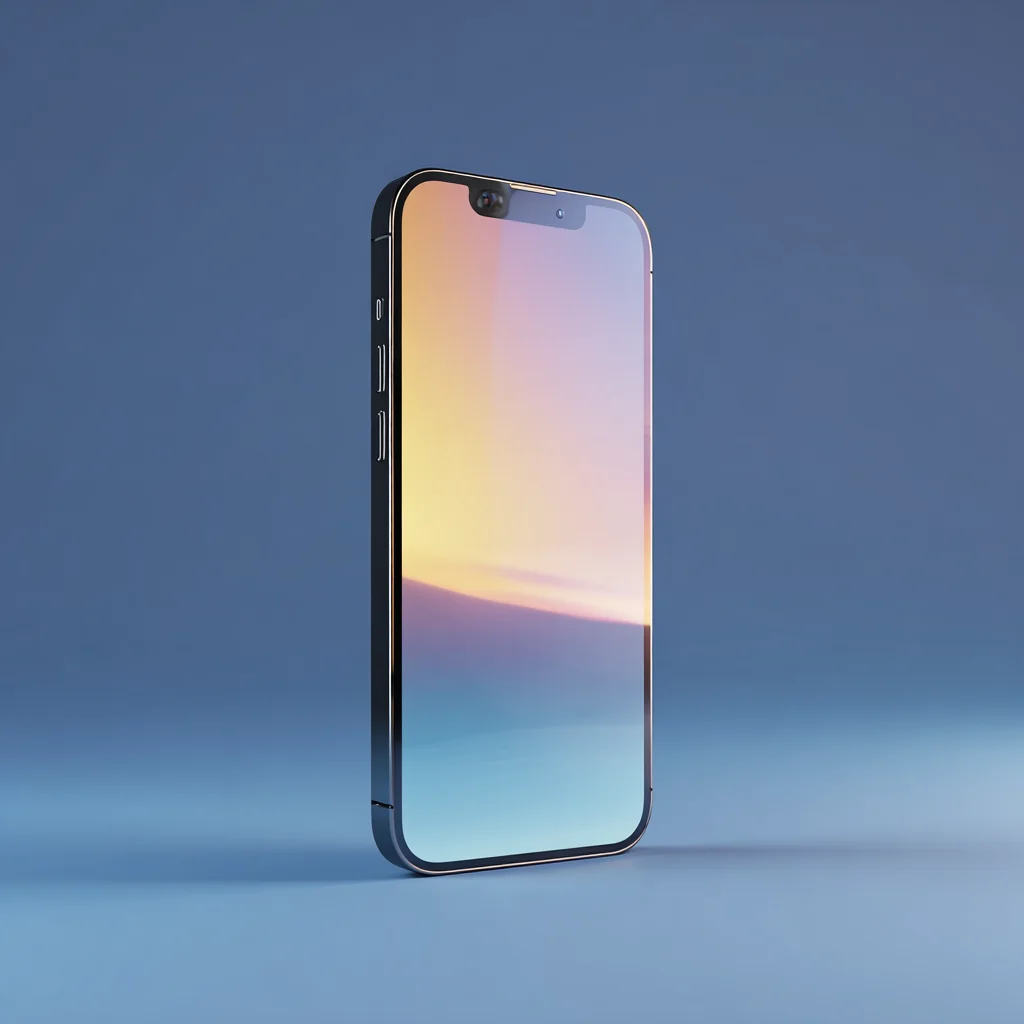
Apple's flagship smartphone line, known for its iOS operating system, premium build quality, and ecosystem integration.

VS
Hollywood

Hollywood

Entertainment industry center and dream factory.

Battle Analysis

Economic power iphone Wins
70%
30%
iPhone Hollywood

iPhone

Apple's flagship device represents perhaps the most successful product in commercial history. The iPhone has generated cumulative revenue exceeding $1.5 trillion since launch, single-handedly transforming Apple into the world's most valuable company. Its manufacturing supply chain employs millions across Asia, whilst its App Store ecosystem supports an estimated 2.2 million jobs in the United States alone.

The device's economic influence extends beyond direct revenue. The iPhone has destroyed entire industries, notably point-and-shoot cameras, GPS devices, and portable music players, whilst creating new ones. Its platform economics generate recurring revenue streams that traditional product manufacturers can only envy. Each iPhone sold initiates years of additional spending on applications, accessories, and services.

Hollywood

The entertainment industry centred in Los Angeles contributes approximately $175 billion annually to the American economy, supporting 2.6 million jobs directly and countless more indirectly. Hollywood's economic tentacles extend through licensing, merchandising, and theme parks that transform intellectual property into physical experiences.

Yet Hollywood's economic model faces structural challenges. Production costs have inflated dramatically, with average blockbuster budgets exceeding $200 million, whilst theatrical windows shrink. The industry increasingly resembles a tournament economy, where a handful of franchises capture most returns whilst smaller productions struggle for visibility. Streaming has disrupted revenue models without establishing sustainable alternatives.

VERDICT

The iPhone generates $200 billion annually from hardware alone; Hollywood's entire ecosystem struggles to approach half that figure.
Attention capture iphone Wins
70%
30%
iPhone Hollywood

iPhone

The iPhone's capacity for attention capture operates through mechanisms that would make Pavlov weep with professional jealousy. Average daily screen time now exceeds 4 hours and 37 minutes, a figure that excludes the countless micro-glances that punctuate modern existence. The device has pioneered what behavioural psychologists term variable ratio reinforcement, the same principle that makes slot machines irresistible.

Each notification triggers dopamine responses carefully calibrated through years of Silicon Valley refinement. The iPhone does not merely occupy attention; it colonises neural pathways, creating reflexive checking behaviours that persist even when the device is absent. Users report phantom vibrations, a condition sufficiently widespread to warrant clinical terminology.

Hollywood

Hollywood's attention model relies upon appointment viewing, a increasingly antiquated concept requiring individuals to travel to specific locations at predetermined times. The theatrical experience demands two uninterrupted hours, a commitment that growing segments of the population find psychologically impossible.

Cinema attendance has declined 25% since 2019, with average Americans visiting theatres merely 3.5 times annually. Even when successfully capturing attention, Hollywood's grip releases the moment credits roll. The iPhone accompanies its user to the lavatory; the cinema cannot make similar claims to intimacy. Hollywood's attention model was designed for an era of scarcity; it struggles in an environment of infinite distraction.

VERDICT

The iPhone captures 4+ hours daily through neurological manipulation; Hollywood manages 7 hours annually at best.
Cultural influence hollywood Wins
30%
70%
iPhone Hollywood

iPhone

The iPhone's cultural influence operates primarily through enabling infrastructure rather than content creation. It has birthed entirely new vocabularies: swiping, scrolling, and the now-universal gesture of raised phone photography at concerts. The device has restructured social etiquette, with phone-checking during conversation transitioning from rudeness to unavoidable necessity.

However, the iPhone remains fundamentally a delivery mechanism. Its cultural fingerprints appear in how we consume rather than what we consume. No iPhone has inspired fancy dress costumes or entered the lexicon as metaphor. One might feel like a superhero, but nobody feels like an iPhone.

Hollywood

Hollywood's cultural penetration extends into the deepest strata of global consciousness. Phrases like 'May the Force be with you', 'Here's looking at you, kid', and 'I'll be back' transcend their source material to become universal communication tools. Hollywood archetypes shape how humans conceptualise heroism, romance, and villainy itself.

The American Dream, as understood worldwide, exists substantially as a Hollywood construction. Career aspirations, fashion trends, and romantic expectations all bear the industry's fingerprints. Hollywood has spent a century building what anthropologists term mythological infrastructure, a shared symbolic language that binds disparate cultures. Its characters attend Halloween parties in every nation; its narratives structure how children understand morality.

VERDICT

Hollywood provides humanity's shared mythological vocabulary; the iPhone merely delivers it.
Longevity potential hollywood Wins
30%
70%
iPhone Hollywood

iPhone

The smartphone form factor, whilst currently dominant, represents merely one phase in computing's evolution. Industry analysts predict significant disruption from augmented reality devices, neural interfaces, and technologies not yet conceived. The iPhone's dominance may prove historically brief, a transitional device between desktop computing and whatever emerges next.

Apple's own product roadmap suggests awareness of this impermanence. Substantial investment in spatial computing and wearables indicates hedging against smartphone obsolescence. The iPhone's successor may already exist in Cupertino laboratories. Individual devices become obsolete within 3-4 years; the category itself may face similar timelines measured in decades rather than years.

Hollywood

Narrative entertainment has survived every technological transition since cave paintings. Theatre predicted cinema's demise; cinema predicted television's irrelevance; television supposedly sealed Hollywood's fate. Each prediction proved premature. The fundamental human appetite for story appears hardwired, a cognitive inheritance from ancestors who gathered around fires to share tales of hunts and spirits.

Hollywood has demonstrated remarkable adaptation. When television threatened, it invented the blockbuster. When home video arrived, it created new revenue streams. Streaming now presents challenges, yet the industry's core competency in narrative construction remains valuable regardless of distribution mechanism. Stories outlast their delivery systems. The iPhone displays content that Hollywood creates; this dependency suggests which entity possesses more durable foundations.

VERDICT

Hollywood has survived 100 years of technological disruption; the smartphone category may not survive another 20.
Global accessibility hollywood Wins
30%
70%
iPhone Hollywood

iPhone

Despite Apple's aspirations toward universality, the iPhone remains a premium product accessible primarily to affluent populations. Base models retail for approximately $799, representing multiple months' income in developing economies. Whilst Apple has captured 27% global market share, this figure reflects dominance among wealthy consumers rather than universal penetration.

Geographic distribution reveals stark inequalities. iPhone ownership in sub-Saharan Africa remains below 5%, whilst North American and Western European markets approach saturation. The iPhone's world is fundamentally a prosperous world, its blue message bubbles serving as subtle class signifiers. Apple has prioritised margin over volume, a strategy that limits accessibility by design.

Hollywood

Hollywood content reaches virtually every inhabited corner of Earth. Piracy, whilst problematic for revenue, has ensured that Marvel heroes and Disney princesses appear on screens from Lagos to Lahore to Lima. Hollywood's cultural exports require only basic television access, now available to over 6 billion people globally.

The industry has invested heavily in international markets, tailoring content for regional preferences whilst maintaining globally recognisable franchises. China, India, and Southeast Asia represent growth frontiers where Hollywood influence expands alongside rising middle classes. Whilst cinema attendance requires infrastructure investment, Hollywood content flows through whatever delivery mechanisms exist, from multiplexes to mobile phones to projectors in village squares.

VERDICT

Hollywood content reaches 6 billion viewers across all income levels; the iPhone serves primarily the prosperous billion.
👑

The Winner Is

iPhone

55 - 45

This investigation reveals a contest more nuanced than initial impressions suggest. Hollywood commands cultural influence and demonstrates longevity that the iPhone cannot yet claim. Its mythological creations structure human imagination worldwide, transcending economic barriers that limit Apple's reach. With victories in cultural influence, longevity potential, and global accessibility, Hollywood represents something deeper than mere entertainment infrastructure.

Yet the iPhone prevails in the metrics that matter to contemporary existence: attention capture and economic power. It has achieved in seventeen years a level of behavioural integration that Hollywood, despite a century of effort, cannot match. The final score of 55-45 reflects this reality. The iPhone has not merely disrupted how we consume entertainment; it has restructured the fundamental economics of human attention.

Hollywood creates the dreams. The iPhone determines when, where, and whether we experience them. In the attention economy, distribution ultimately trumps creation.

iPhone
55%
Hollywood
45%

Share this battle

More Comparisons