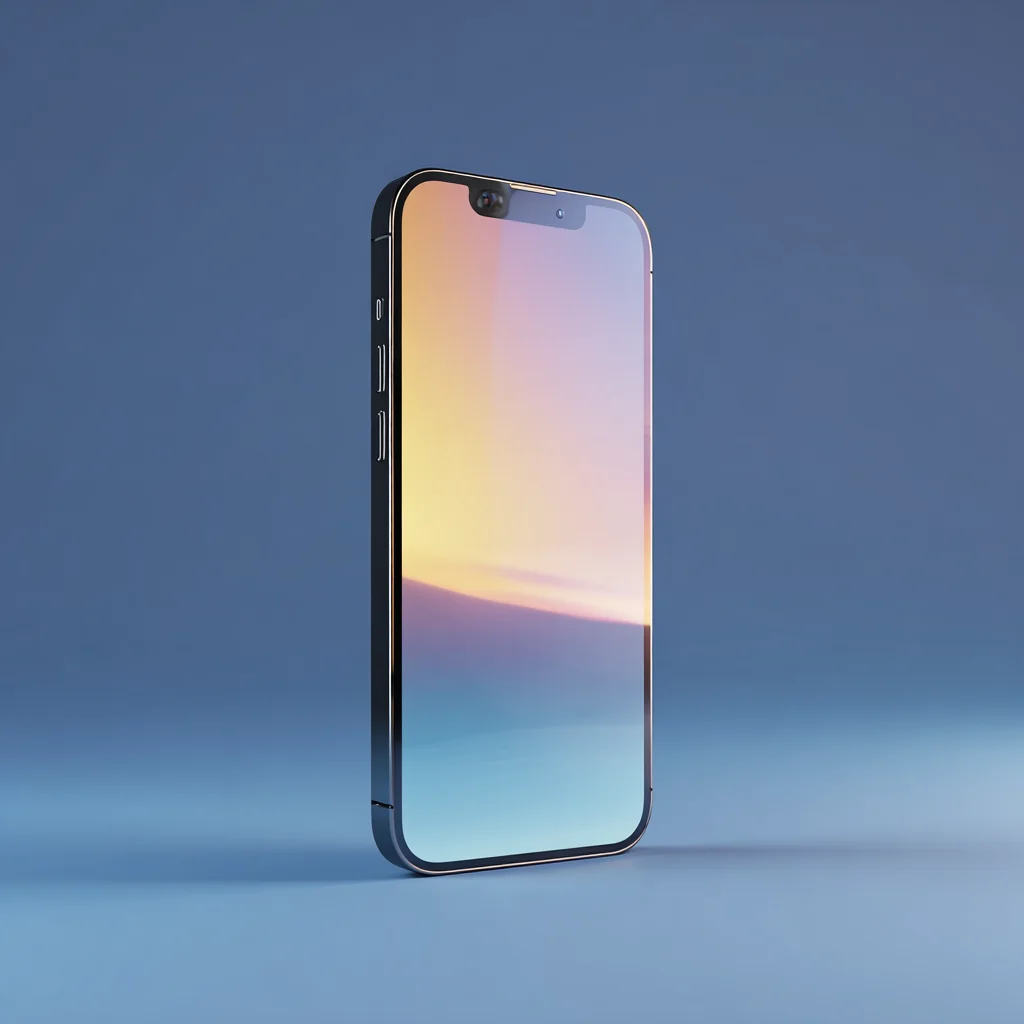

iPhone
The iPhone's processing velocity operates within carefully calibrated parameters. The A17 Pro chip executes instructions at clock speeds reaching 3.78 gigahertz, permitting the device to render complex graphics and execute machine learning algorithms with remarkable efficiency. Data transmission occurs via 5G connectivity at theoretical speeds of 10 gigabits per second.
However, these impressive figures represent the upper boundaries of controlled electrical flow. The iPhone's architecture deliberately throttles performance to manage thermal output and preserve battery longevity. Speed, in the iPhone's universe, is a carefully negotiated compromise between capability and sustainability.
Lightning
Lightning operates without such bureaucratic constraints. A typical bolt travels at speeds approaching 270,000 miles per hour, reaching temperatures of 30,000 Kelvin—approximately five times hotter than the surface of the sun. The stepped leader that initiates the discharge descends at roughly 200,000 metres per second, followed by the return stroke at approximately one-third the speed of light.
The entire process, from initial ionisation to complete discharge, occurs within 0.0002 seconds. No quality assurance team reviews this performance. No software update can improve it. Lightning simply executes its function at velocities that render human perception obsolete.