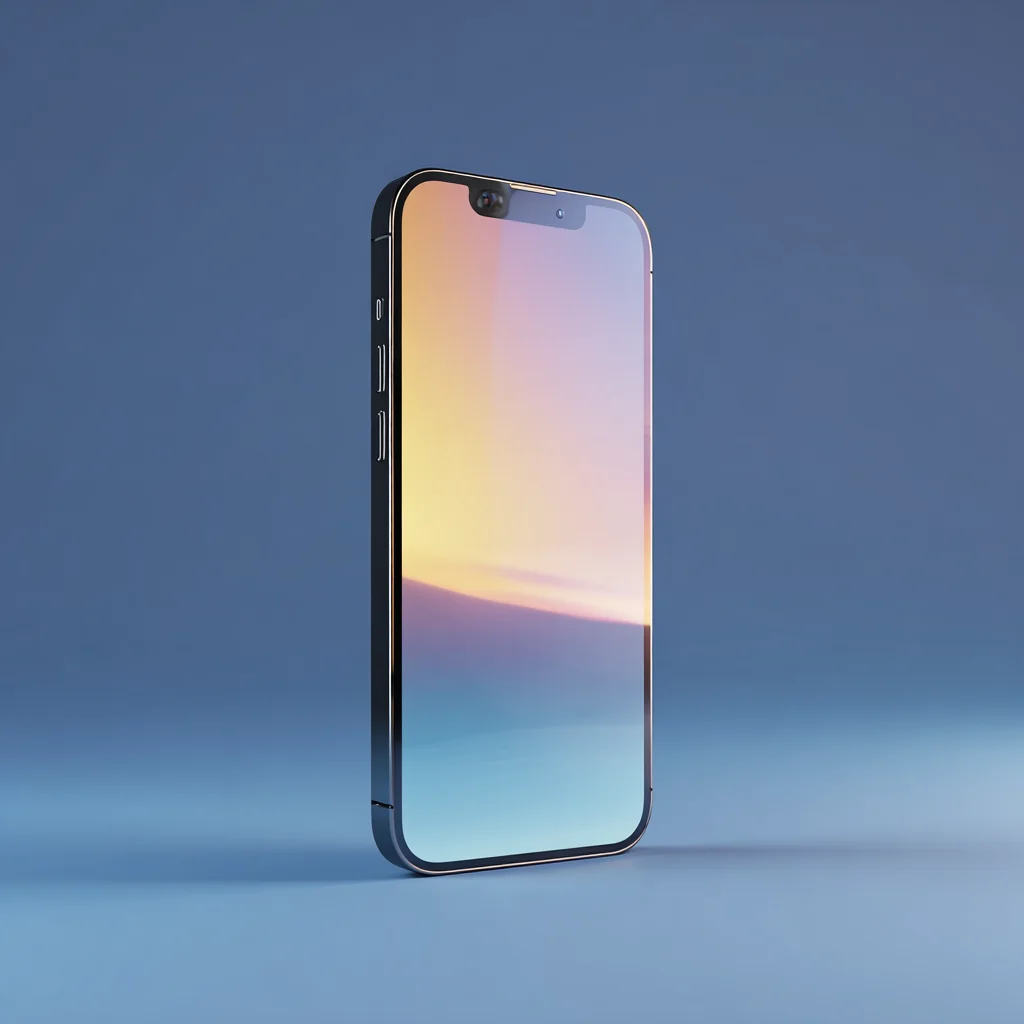
iPhone
The iPhone demonstrates processing velocities that strain human comprehension. The A17 Pro chip executes instructions at clock speeds reaching 3.78 gigahertz, performing calculations that would require a human mathematician several lifetimes to complete in mere milliseconds. Data transmission occurs at 5G speeds exceeding 10 gigabits per second, enabling the transfer of entire film libraries in durations shorter than a lion's blink.
Physical velocity, however, remains the iPhone's notable limitation. The device possesses no autonomous locomotion capability whatsoever. Its maximum speed depends entirely upon the conveyance method selected by its user, whether that be automobile, aircraft, or the regrettable trajectory following an accidental drop. Terminal velocity during such falls approaches 50 metres per second, though this represents movement in directions the device was not designed to travel.
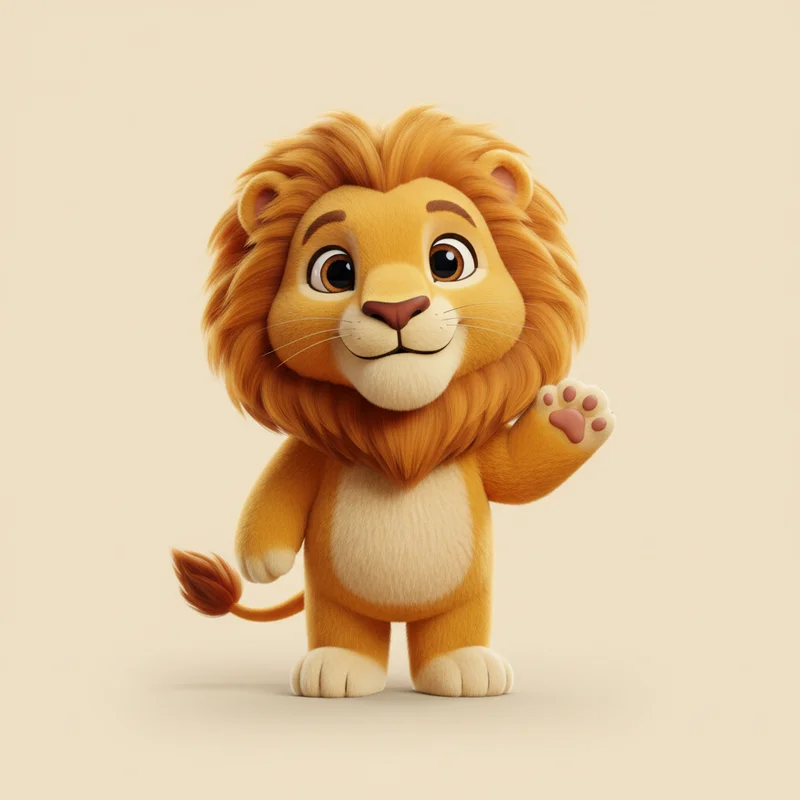
Lion
The African lion achieves pursuit velocities of 80 kilometres per hour in short bursts, accelerating from rest to maximum speed in approximately three seconds. This performance, while modest compared to the cheetah's 120 km/h capability, proves entirely sufficient for the lion's hunting methodology, which emphasises ambush tactics and cooperative stalking over sustained chase.
More significantly, the lion maintains complete autonomous control over its velocity. It requires no external power sources, network connectivity, or user input to initiate movement. The neurological processing that enables this locomotion occurs at approximately 270 metres per second along the lion's motor neurons, translating intention into action with a efficiency that smartphone engineers continue to study with envy.