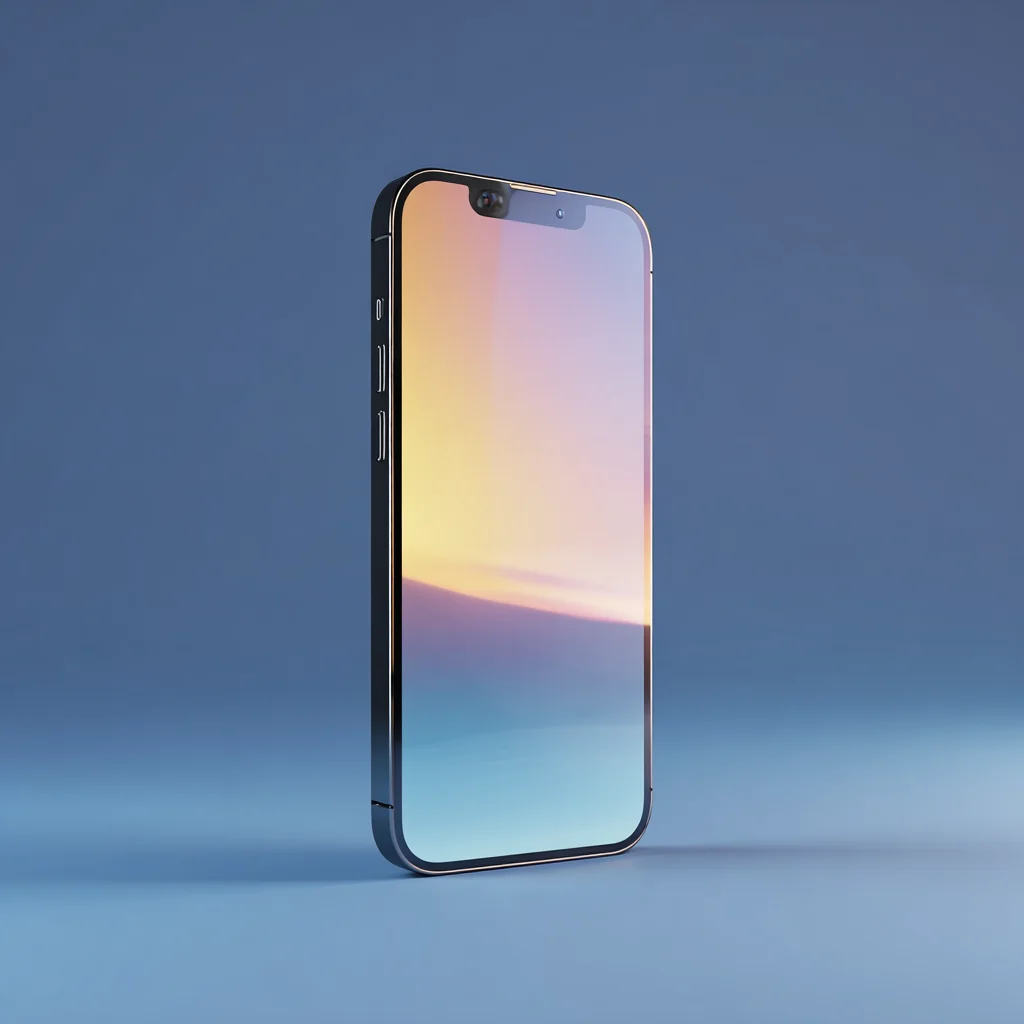
iPhone
The iPhone processes information at velocities approaching the incomprehensible. The A17 Pro chip executes 17 trillion operations per second, transmitting data packets across continents in milliseconds. A photograph captured in London reaches Sydney in approximately 0.3 seconds, effectively achieving a form of digital teleportation that would have seemed miraculous to previous generations.
However, this speed operates exclusively in the informational domain. The device itself remains stationary unless physically transported by other means. Its maximum autonomous velocity equals precisely zero kilometres per hour, a limitation that proves insurmountable regardless of processor advancement.
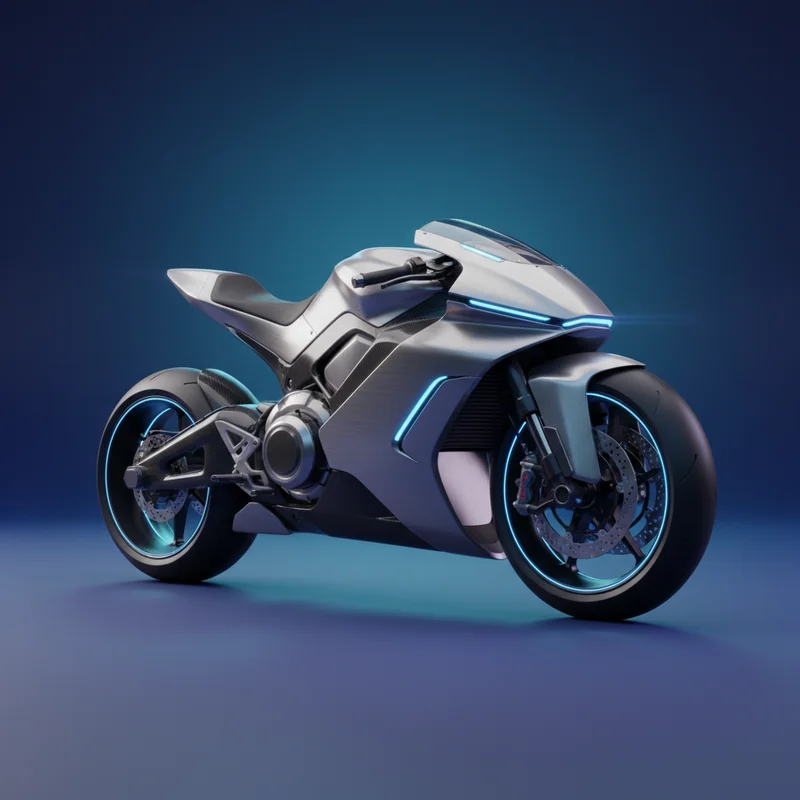
Motorcycle
The motorcycle achieves physical velocity that approaches and occasionally exceeds 400 kilometres per hour in production variants such as the Kawasaki Ninja H2R. Standard road motorcycles routinely accelerate from stationary to 100 km/h in under 3 seconds, performance figures that rival purpose-built supercars at a fraction of the cost. This represents genuine kinetic energy transformation rather than data manipulation.
The sensation of motorcycle speed engages multiple sensory systems simultaneously: wind resistance increases exponentially, peripheral vision compresses, and the rider experiences what neurologists describe as flow state acceleration. No digital interface has replicated this phenomenological intensity.