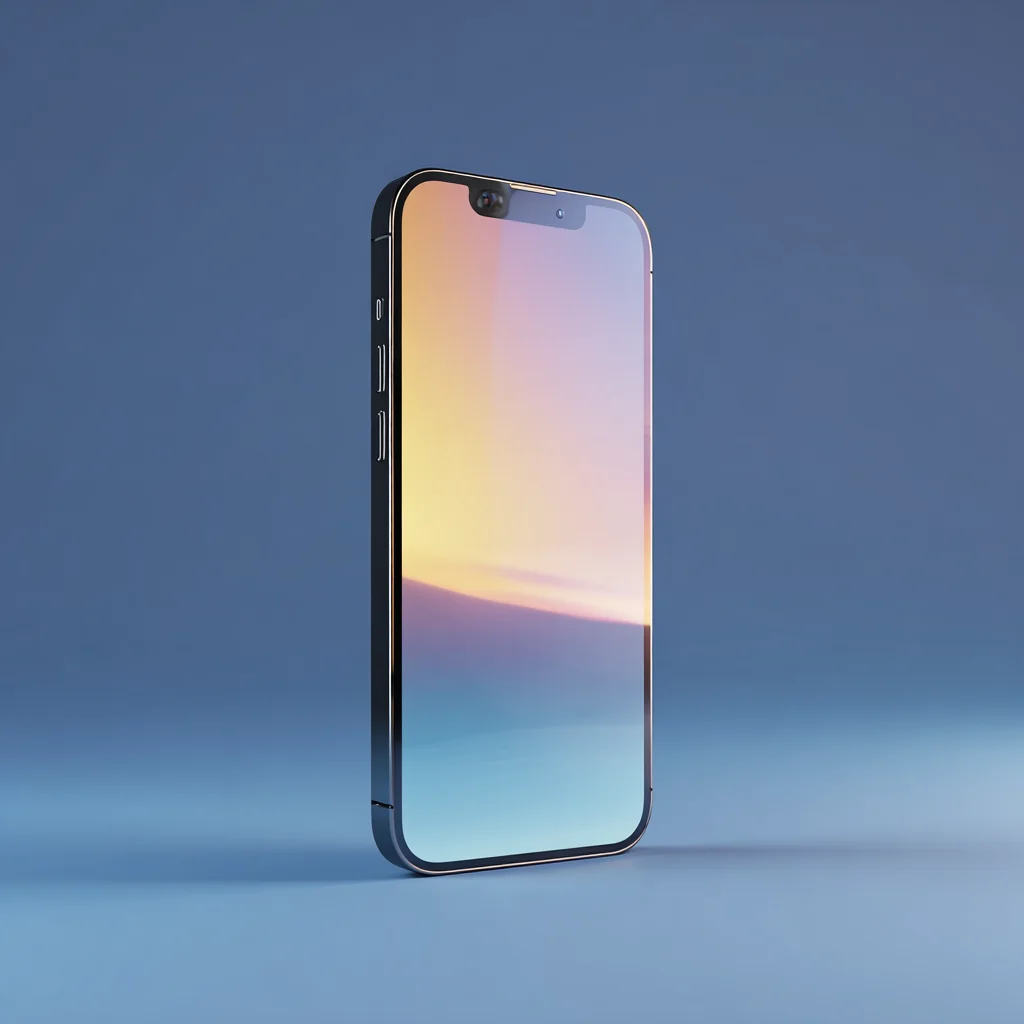
iPhone
The iPhone demonstrates functional flexibility through software architecture permitting approximately 2.2 million applications to modify its operational parameters. A single device transitions seamlessly between communication instrument, navigation aid, entertainment system, and productivity tool within milliseconds. This represents unprecedented task-switching capability for a handheld device.
However, the physical form factor remains essentially immutable. The aluminium chassis cannot reshape itself, the glass display maintains fixed dimensions, and the device cannot alter its physical orientation beyond screen rotation. All flexibility derives from software abstraction rather than material adaptation.
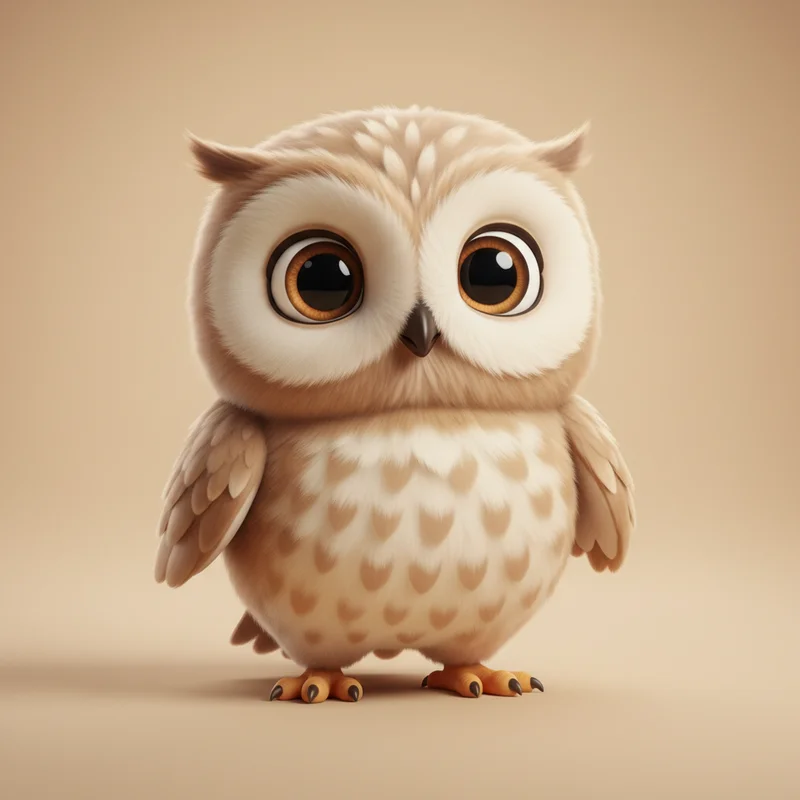
Owl
The owl's cervical vertebrae number fourteen, precisely double the human count, enabling head rotation of 270 degrees in either direction. This remarkable anatomical flexibility compensates for the species' inability to move its tubular eyes within their sockets. The owl surveys its entire environment through physical repositioning rather than ocular movement.
Beyond cervical mobility, owls demonstrate remarkable feather flexibility. Serrated leading edges on primary flight feathers dampen aerodynamic turbulence, enabling virtually silent flight below the hearing threshold of prey species. This represents biomechanical flexibility no rigid technology can replicate, the capacity to eliminate one's own acoustic signature entirely.