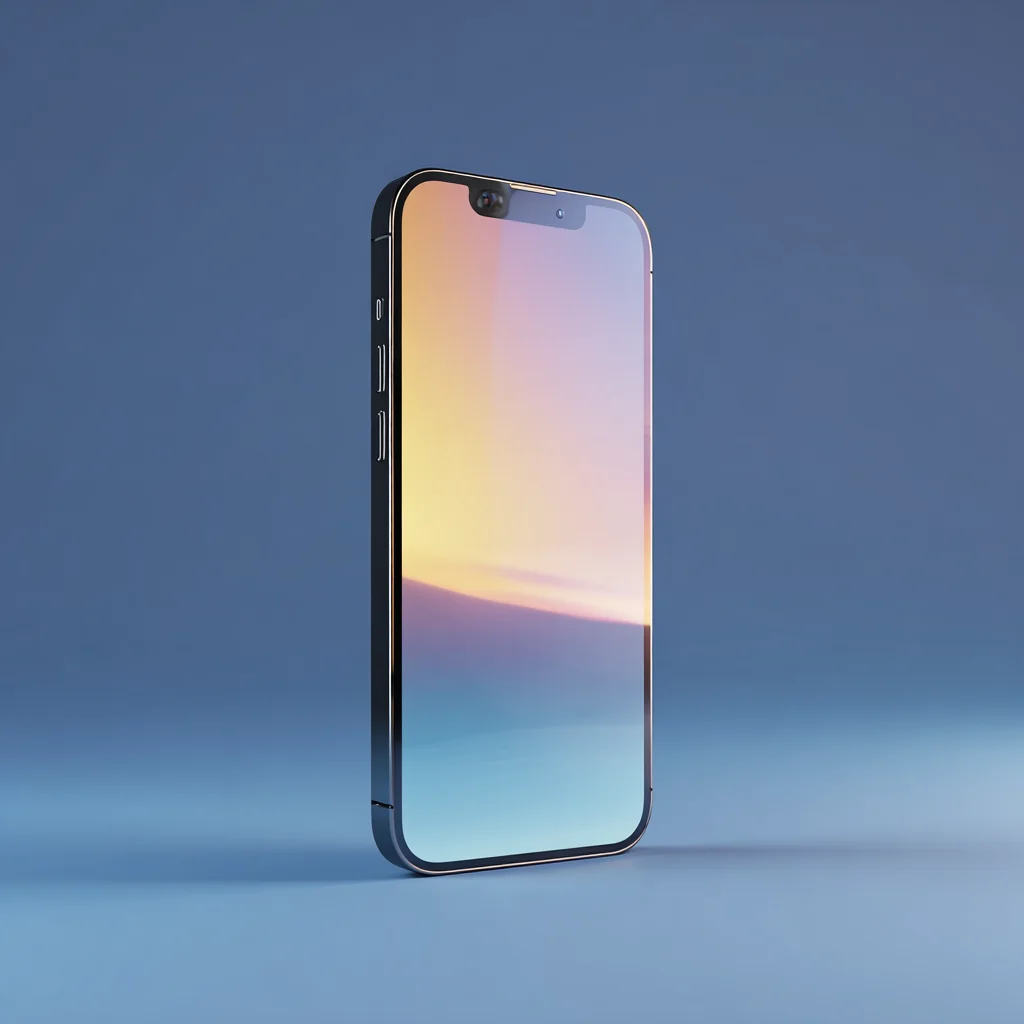

iPhone
The iPhone transmits data at velocities that would have seemed supernatural to previous generations. Under optimal 5G network conditions, the device achieves download speeds of 1-10 Gbps, enabling the transfer of a feature-length film in approximately eight seconds.
Voice and text communications traverse the globe in milliseconds, bouncing between cell towers, fiber optic cables, and satellite relays to connect users on opposite sides of the planet before either party has completed drawing breath. A message dispatched from London reaches Tokyo in approximately 150 milliseconds, accounting for network routing and processing delays.
The device's internal processor, the A-series chip, performs approximately 17 trillion operations per second in its latest iteration, executing computational tasks at speeds that render human perception of delay functionally impossible. The iPhone has, in effect, compressed global communication to the speed of thought.
Pigeon
The racing pigeon maintains a cruising velocity of 60 mph during sustained flight, with exceptional specimens documented achieving 92.5 mph over sprint distances. This performance enables a pigeon to traverse 600 miles in a single day under favorable wind conditions.
During the Siege of Paris in 1870-71, pigeons carried microfilmed messages containing up to 3,000 dispatches per bird, achieving an information density that briefly rivaled early telegraph systems. The journey from Tours to Paris, approximately 150 miles, required several hours rather than the zero seconds of modern electronic transmission.
Historical records indicate that the news of Napoleon's defeat at Waterloo reached London via pigeon two days before official couriers arrived, enabling early recipients to profit handsomely on the stock exchange. The pigeon's speed, while impressive for a biological system, operates on timescales measured in hours and days rather than milliseconds.
VERDICT
The velocity differential between these communication systems proves so categorically vast as to render direct comparison almost meaningless. The iPhone transmits information at a substantial fraction of the speed of light; the pigeon transmits information at a substantial fraction of the speed of a bicycle.
To illustrate the magnitude: in the time required for a pigeon to deliver a message from London to Paris, an iPhone could theoretically transmit the entire contents of the British Library to every continent simultaneously, with capacity remaining for several million cat photographs.
The pigeon's historical speed advantages have been comprehensively negated by electromagnetic transmission technology. This category concludes with a decisive iPhone victory, acknowledging that the pigeon competed honorably against physical limitations no biological system could overcome.