Topic Battle

Where Everything Fights Everything

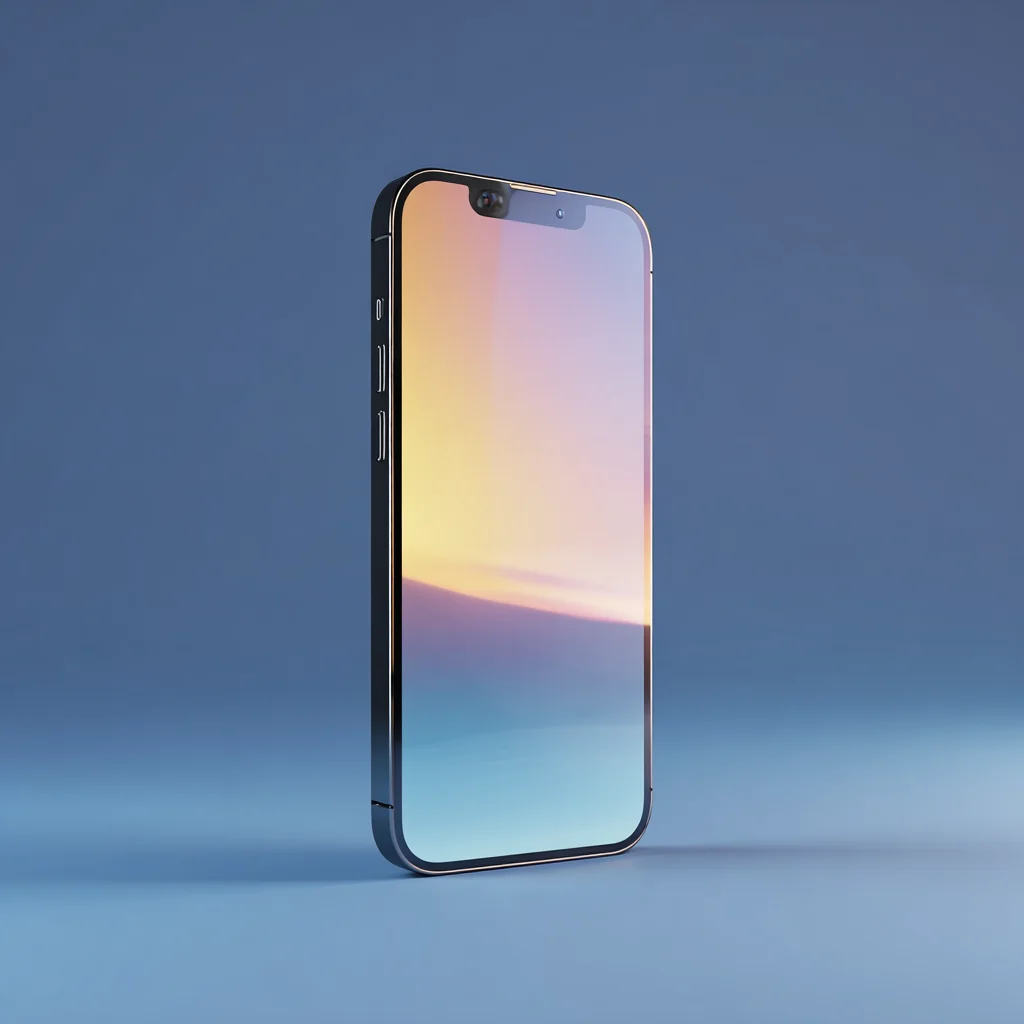
iPhone

iPhone

Apple's flagship smartphone line, known for its iOS operating system, premium build quality, and ecosystem integration.

VS
Pizza

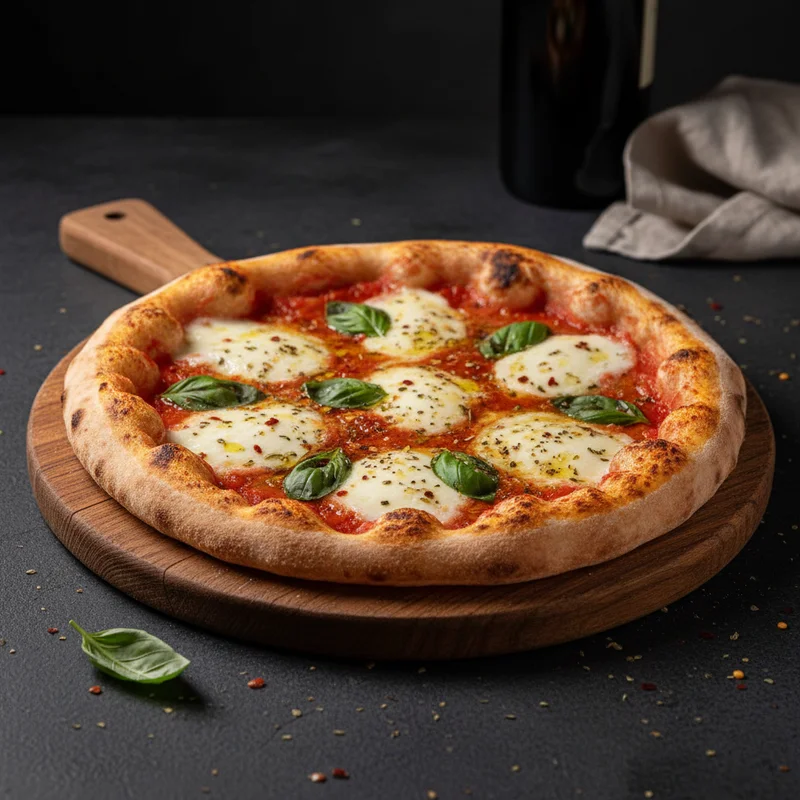
Pizza

A flat disc of bread that convinced the world that putting everything on top of something is a legitimate cuisine. Somehow both a $1 slice and a $40 artisanal experience, depending on how seriously you take yourself.

The Matchup

The comparison between the iPhone and pizza represents one of the more consequential examinations of modern human priorities. These two entities, separated by approximately 1,300 years of technological development, have each achieved the status of cultural institution through remarkably different mechanisms.

The iPhone, introduced by Apple Inc. in 2007, revolutionized personal computing by placing the internet, a camera, and a telephone into a single pocket-sized device. With over 2.3 billion active devices worldwide, it has fundamentally altered how humans communicate, navigate, and experience chronic neck strain.

The pizza, believed to have achieved its modern form in 18th-century Naples, predates the iPhone by centuries yet remains equally essential to contemporary life. An estimated 5 billion pizzas are consumed annually worldwide, with Americans alone responsible for approximately 3 billion of that figure. Both entities now compete across metrics of speed, durability, affordability, global reach, and versatility for the distinction of providing greater value to the human experience.

Battle Analysis

Speed iPhone Wins
70%
30%
iPhone Pizza

iPhone

The iPhone operates at computational velocities that render human perception effectively obsolete. The A17 Pro chip executes up to 17 trillion neural operations per second, processing requests with latencies measured in milliseconds.

Application launch times average 0.3-0.8 seconds. Facial recognition unlocks the device in approximately 400 milliseconds. The delivery of disappointing news via email occurs essentially instantaneously upon network connection, demonstrating that speed is not inherently beneficial.

Data transmission reaches 5G speeds of 4.5 Gbps under optimal conditions, enabling users to download entire films in seconds and subsequently never watch them.

Pizza

Pizza operates on timescales better suited to human digestion and anticipation. Delivery services promise arrival within 30-45 minutes, a window that has proven psychologically optimal for building appetite and reducing the likelihood of regret.

Consumption velocity varies by individual, though competitive eaters have demonstrated that a standard 12-inch pizza can be consumed in under three minutes. This achievement, while impressive, is not recommended for replication by the general population.

The gastric processing speed of pizza ranges from 4-6 hours, ensuring that the experience extends well beyond initial consumption. Some would argue this represents superior time-value optimization compared to the fleeting satisfaction of rapid data transmission.

VERDICT

In raw computational metrics, the iPhone achieves velocities that pizza cannot approach through any culinary innovation. Seventeen trillion operations per second represents a performance differential of approximately infinite magnitude compared to pizza's processing capabilities.

However, this analysis notes the philosophical question of whether speed serves human flourishing. The iPhone delivers information faster than humans can meaningfully process it, while pizza arrives at precisely the rate at which hunger becomes optimal.

Nevertheless, when measuring speed as a standalone metric, the iPhone secures this category through sheer computational supremacy, despite the open question of whether such speed is entirely necessary or wise.

Durability Pizza Wins
30%
70%
iPhone Pizza

iPhone

The iPhone demonstrates a functional lifespan of 4-6 years with careful maintenance, though psychological obsolescence typically occurs within 2-3 years as newer models are released. Apple provides software support for approximately 5-6 years from initial release.

Physical durability has improved considerably. Ceramic Shield glass offers 4x better drop performance than previous generations. IP68 water resistance permits submersion to 6 meters for 30 minutes, a capability that remains largely untested by prudent owners.

Battery capacity degrades to 80% of original capacity after 500 complete charge cycles. The device remains vulnerable to screen fracture from impacts, water damage beyond specified tolerances, and the existential threat of new product announcements that render previous models psychologically inadequate.

Pizza

A pizza at optimal consumption temperature maintains peak performance for approximately 15-20 minutes before thermal degradation begins. Cold pizza, however, has developed its own devoted following, with many enthusiasts arguing it represents a superior breakfast format.

Refrigerated pizza demonstrates acceptable palatability for 3-4 days when properly stored. Frozen pizza extends this window to several months, though purists question whether such preservation constitutes authentic pizza or merely pizza-shaped nostalgia.

Unlike the iPhone, pizza requires no software updates, never experiences battery degradation, and has never been rendered obsolete by the release of Pizza 15 Pro Max. The form factor has remained fundamentally unchanged since 1889, when Raffaele Esposito created the Margherita, suggesting that pizza achieved perfection on its first major release.

VERDICT

Durability assessment reveals a fundamental asymmetry in how these entities age. The iPhone requires constant maintenance, protection, and eventual replacement. Pizza requires only consumption within a reasonable timeframe.

More significantly, pizza as an institution has demonstrated remarkable evolutionary stability. The basic formula of dough, sauce, and cheese has persisted for centuries without requiring fundamental updates. The iPhone, by contrast, demands annual attention and biennial replacement to maintain cultural relevance.

When evaluating durability as sustained relevance over time, pizza wins by virtue of having already solved its design challenges while the iPhone continues iterating toward an asymptotic perfection it may never achieve.

Versatility Pizza Wins
30%
70%
iPhone Pizza

iPhone

The iPhone serves as telephone, camera, computer, navigation device, entertainment system, fitness tracker, and payment terminal within a single 206-gram package. The App Store provides access to over 1.8 million applications extending functionality across virtually every domain of human activity.

The device enables global communication, document creation, video production, music composition, and complex data analysis. Third-party accessories expand capabilities into medical monitoring, gaming, professional photography, and countless specialized applications.

However, a critical limitation exists: the iPhone cannot address hunger. Despite seventeen years of development and countless software updates, Apple has yet to release an application that provides actual caloric intake. This represents a significant gap in the device's utility proposition.

Pizza

Pizza accommodates virtually unlimited customization through topping selection. From traditional Margherita to controversial pineapple configurations, the platform supports individual preference expression with remarkable flexibility.

The dish serves multiple meal occasions: lunch, dinner, breakfast (cold pizza maintains devoted adherents), and late-night sustenance. It functions effectively as individual portion, shared meal, party catering, and emergency comfort food.

Pizza serves as social catalyst for gatherings, romantic dinners (when appropriately upgraded), business meetings, and children's celebrations. It requires no instruction manual, no software updates, and no learning curve. The interface is immediately intuitive: lift slice, consume slice, experience satisfaction. This elegant simplicity represents design achievement that consumer electronics have yet to match.

VERDICT

Versatility comparison reveals different categories of utility. The iPhone excels in digital versatility, offering solutions across informational and communicational domains. Pizza excels in fundamental biological versatility, addressing the rather important matter of human sustenance.

The iPhone can perform millions of functions. Pizza performs one function with exceptional reliability: providing delicious nourishment. However, that single function addresses a need the iPhone cannot satisfy regardless of installed applications.

When evaluating versatility as the capacity to address fundamental human requirements across diverse contexts, pizza demonstrates superior relevance. Humans have survived without smartphones for the vast majority of the species' existence. Survival without food remains conspicuously more difficult.

Global reach Pizza Wins
30%
70%
iPhone Pizza

iPhone

Apple maintains official retail and distribution presence in approximately 175 countries, with iPhone sales representing the majority of company revenue across most markets.

However, market penetration remains significantly constrained by pricing. Global smartphone market share for iPhone hovers around 20-25%, with Android devices dominating through more accessible price points. In populous markets like India, Brazil, and throughout Africa, iPhone penetration remains single-digit percentage of total smartphone users.

The iPhone functions as a status symbol precisely because of its limited accessibility. Universal adoption would paradoxically diminish its appeal to demographics that value exclusivity as a feature rather than a limitation.

Pizza

Pizza has achieved penetration into virtually every nation on Earth with access to wheat flour, tomatoes, and dairy products. The dish has been successfully adapted to local tastes across Asia, Africa, the Americas, and Europe, demonstrating remarkable cultural flexibility.

Annual global pizza consumption exceeds 5 billion units. Americans consume approximately 350 slices per second. Italy maintains over 63,000 pizzerias. Brazil ranks as the second-largest pizza market globally. Japan has developed distinctive interpretations including mayonnaise and seafood toppings that, while controversial, demonstrate pizza's adaptive capacity.

The pizza format has proven compatible with Hindu vegetarianism, halal requirements, kosher dietary law, and virtually every other food restriction through appropriate topping selection. This inclusive adaptability has enabled global reach that technology products cannot easily replicate.

VERDICT

Global reach comparison demonstrates the fundamental advantage of affordability and cultural adaptability in achieving worldwide distribution. Pizza has permeated societies regardless of economic development level, political system, or culinary tradition.

The iPhone remains concentrated in wealthy-world markets with aspirational presence elsewhere. While Apple celebrates quarterly sales figures, pizza feeds billions across every continent with no regard for their purchasing power.

When measuring true global reach as daily consumption across all economic strata and cultural contexts, pizza achieves market penetration that the iPhone cannot approach. The dish wins through superior accessibility and cultural flexibility.

Affordability Pizza Wins
30%
70%
iPhone Pizza

iPhone

Current iPhone pricing begins at $799 for base configurations and extends to $1,599 for maximum storage Pro Max variants. This positions the device among the most expensive consumer electronics globally.

Total cost of ownership expands beyond hardware. AppleCare+ protection plans add $199-269. Monthly carrier plans average $70-100. Over a typical 3-year ownership period, iPhone-related expenditure commonly reaches $3,500-5,000 when all associated costs are aggregated.

This figure exceeds the annual median income in numerous countries where iPhones are nonetheless aspirationally coveted. The device functions simultaneously as communication tool and status symbol, with pricing that reinforces the latter function.

Pizza

Pizza pricing demonstrates remarkable accessibility across economic strata. A frozen pizza from major retailers costs $5-8. Delivery from national chains ranges from $12-25 for standard offerings. Artisanal Neapolitan pizzas at specialty establishments command $18-35.

The critical distinction lies in pizza's self-liquidating nature. Unlike the iPhone, which demands ongoing service fees, a pizza requires no monthly subscription. It provides its value entirely upon consumption, with no recurring charges for the privilege of continuing to enjoy having eaten it.

Even at premium price points, a year of weekly artisanal pizza consumption costs less than one-third of annual iPhone ownership. This calculation does not account for the intangible value of never having to worry about cracking one's pizza screen.

VERDICT

Affordability analysis yields a mathematically unambiguous result. Pizza offers its substantial benefits at price points ranging from budget-friendly to premium, with the entire spectrum of economic classes able to participate in consumption.

The iPhone exists as a premium product deliberately positioned at price points that enforce economic selectivity. The most committed pizza enthusiast, consuming specialty pizza daily, would struggle to match the annualized cost of iPhone ownership.

From an accessibility standpoint, pizza achieves democratic distribution across virtually all income levels, while the iPhone maintains pricing that renders it inaccessible to much of the global population. Pizza wins this category by remaining universally available.

👑

The Winner Is

Pizza

40 - 60

This analysis concludes with a decisive 60-40 victory for pizza across the evaluated metrics. The iPhone secures only the speed category, while pizza demonstrates superiority in durability as an institution, affordability, global reach, and versatility of application.

The iPhone represents remarkable human engineering achievement, concentrating extraordinary computational capability into a pocket-sized device. However, when evaluated against a culinary innovation refined through centuries of cultural evolution, technological sophistication alone proves insufficient.

Pizza addresses the fundamental human requirement of nutrition while simultaneously providing social facilitation, emotional comfort, and sensory pleasure. The iPhone addresses the modern human requirement of constant connectivity while simultaneously providing anxiety, distraction, and the persistent sense that one's device is already obsolete. These are not equivalent value propositions.

The pizza requires no charging cable, fears no software update, and has never once displayed a notification at an inopportune moment. It represents technology perfected: a solution so complete that further iteration is unnecessary. The iPhone, by contrast, will require replacement within a few years, at which point pizza will continue operating exactly as it has for centuries.

iPhone
40%
Pizza
60%

Share this battle

More Comparisons