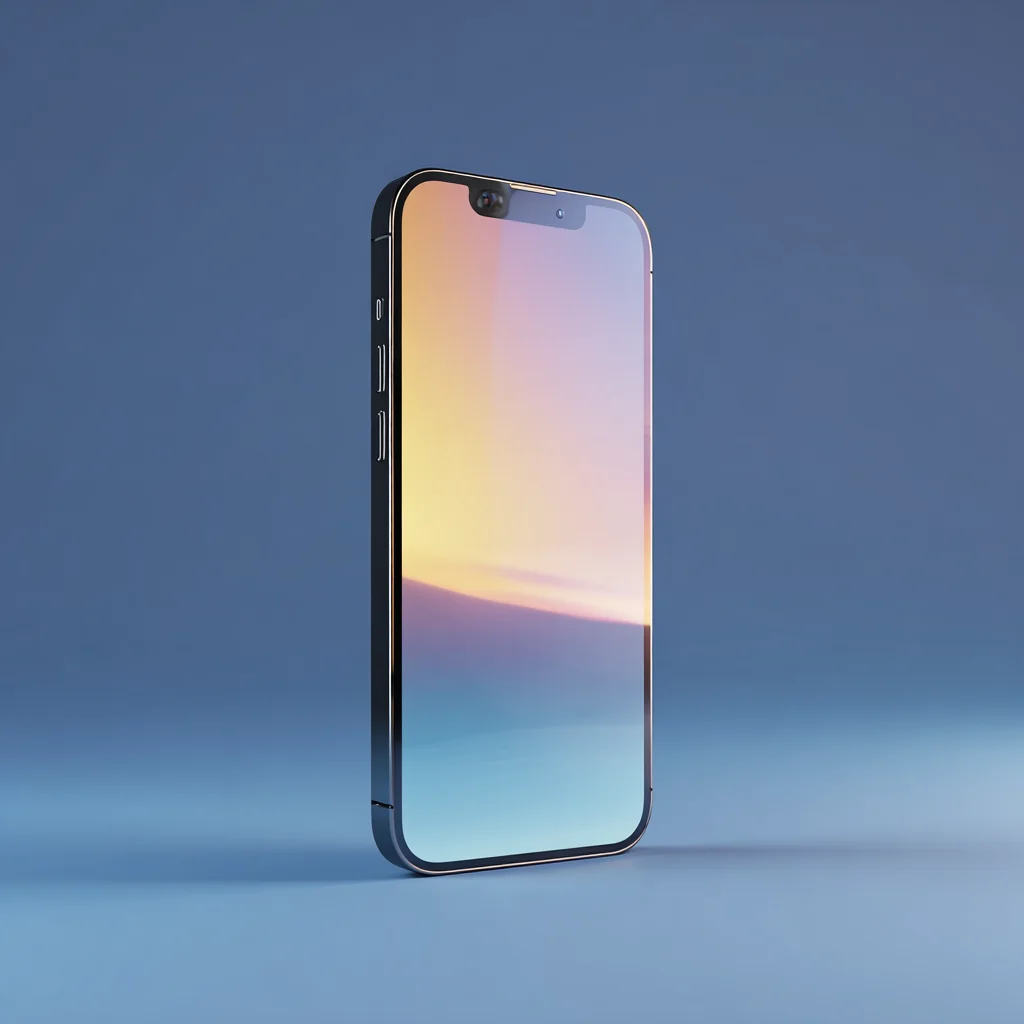

iPhone
The iPhone represents a masterclass in planned obsolescence, though Apple would prefer more diplomatic terminology. Internal batteries demonstrate measurable capacity degradation beginning at approximately 500 charge cycles, typically reached within 18-24 months of regular use. Screen glass, despite Ceramic Shield marketing, fractures upon impact with concrete at velocities achieved by a standard pocket-height drop.
Software support, while industry-leading at 5-6 years per device, eventually terminates, rendering even physically functional units incapable of running current applications. The average iPhone replacement cycle now stands at approximately 3.5 years, driven by battery degradation, screen damage, or the psychological pressure of operating a device two generations behind current release. Repair costs for screen replacement range from $199 to $379, often approaching the residual value of older units.
Rubber Duck
The rubber duck presents a durability profile that borders on geological. Polyvinyl chloride specimens demonstrate material stability across decades of service. A rubber duck purchased during the Reagan administration remains functionally identical to one purchased yesterday. There exists no documented case of a rubber duck requiring screen replacement, battery service, or emergency visits to the Genius Bar.
Environmental testing reveals the rubber duck tolerates temperature ranges from -20C to 60C without structural compromise. It survives full immersion in water, a test that renders the iPhone immediately non-functional. Drop tests from any height achievable without specialized equipment result in zero damage. The rubber duck bounces. The iPhone, emphatically, does not. Average service life exceeds 25 years with no maintenance requirements whatsoever.
VERDICT
The durability comparison produces results of uncomfortable clarity for Apple's engineering teams. A $1,000 device requiring $279 screen replacements and $89 battery services competes against an object that has never, in over a century of production, required professional repair.
This disparity reflects fundamentally different design philosophies. The iPhone optimizes for capability density, packing maximum functionality into minimum volume, at the inevitable cost of fragility. The rubber duck optimizes for eternal adequacy, performing one task with perfect reliability across indefinite timeframes. For durability specifically, the rubber duck achieves categorical superiority.