Topic Battle

Where Everything Fights Everything

iPhone

iPhone

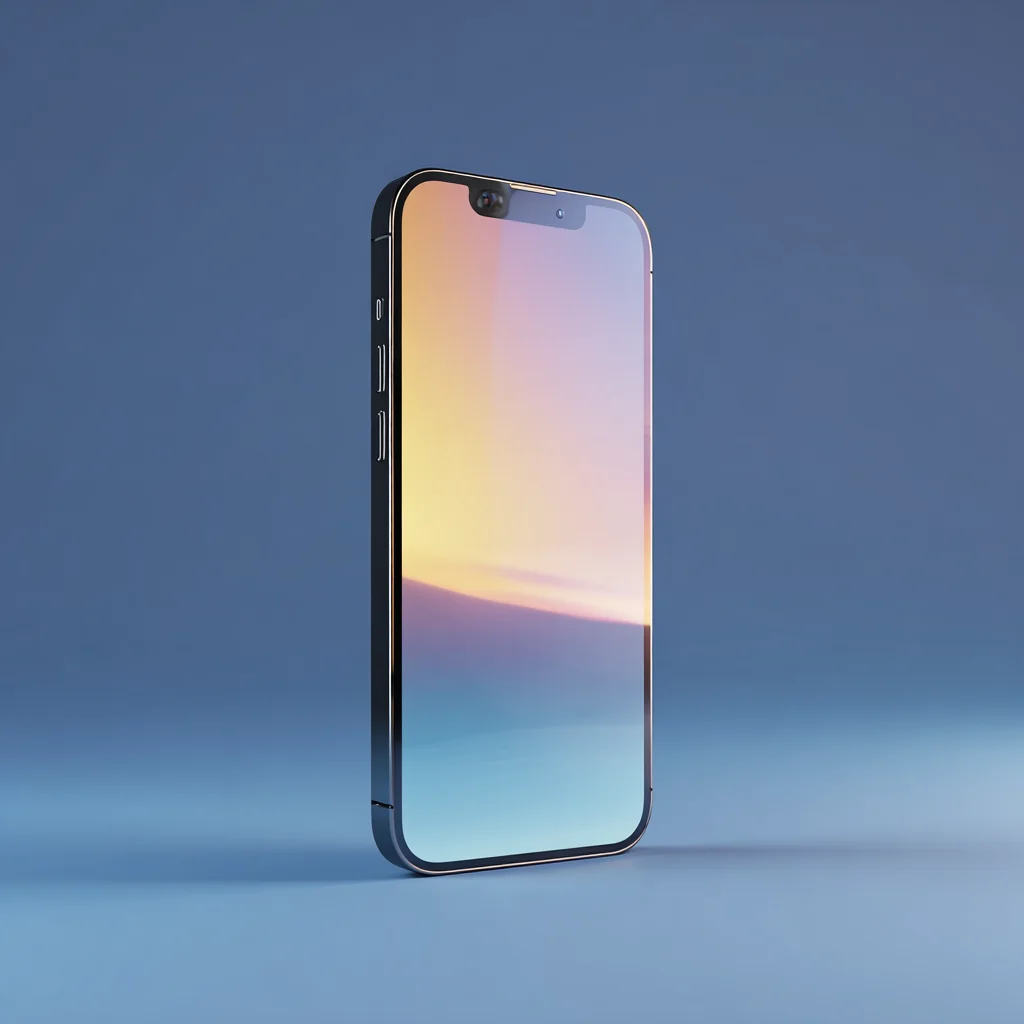
Apple's flagship smartphone line, known for its iOS operating system, premium build quality, and ecosystem integration.

VS
Smartphone

Smartphone

Pocket computer that has replaced cameras, maps, and attention spans.

Battle Analysis

Brand power iphone Wins
70%
30%
iPhone Smartphone

iPhone

The iPhone commands what marketing scholars term aspirational brand equity of extraordinary magnitude. Apple's device consistently ranks among the top three most valuable brands globally, with the iPhone alone generating approximately $200 billion annually—exceeding the GDP of numerous nations. The distinctive silhouette, the proprietary charging ecosystem, and the cultural cachet of the bitten apple logo constitute a brand fortress of remarkable impregnability.

Consumer behaviour studies reveal that iPhone owners demonstrate 92% brand loyalty in repurchase decisions, a figure that suggests less a product preference than a quasi-religious devotion. The phenomenon of queuing overnight for new releases—documented across six continents—speaks to brand power that transcends mere commerce.

Smartphone

The smartphone as a category possesses no unified brand, yet this apparent weakness conceals a profound strength: ubiquitous necessity. The term itself has become synonymous with modern existence. To describe oneself as a smartphone user is to describe oneself as a participant in 21st-century civilisation. The category requires no marketing budget, no celebrity endorsements, no carefully orchestrated product launches.

Market research indicates that 83% of the global population considers smartphone ownership essential rather than discretionary. This categorical dominance means the smartphone brand—if one may call it such—operates at a level of cultural penetration that individual manufacturers can only approximate.

VERDICT

The iPhone's brand recognition and loyalty metrics demonstrate unprecedented commercial achievement within consumer electronics
Accessibility smartphone Wins
30%
70%
iPhone Smartphone

iPhone

The iPhone's accessibility presents a study in contradictions. Apple has earned deserved recognition for industry-leading disability accommodation features, including VoiceOver screen reading, Switch Control, and AssistiveTouch. These implementations often surpass competitors in refinement and reliability. The company's commitment to accessibility extends to physical retail environments, with trained staff and demonstration units available in over 500 stores worldwide.

Financial accessibility, however, tells a different story. The iPhone's starting price of $799-$999 places the device beyond reach for significant portions of the global population. In markets where average monthly income falls below the cost of an iPhone, Apple's device represents not a smartphone but a luxury aspiration.

Smartphone

The smartphone category demonstrates democratised accessibility unmatched in technological history. Functional Android devices are available for under $50 in most global markets, with refurbished and previous-generation models extending access further. This price spectrum means that a construction worker in Bangladesh and a technology executive in San Francisco both qualify as smartphone users, albeit with vastly different devices.

Geographic accessibility compounds this advantage. While Apple operates retail presence in approximately 25 countries, smartphones are available through local retailers, mobile carriers, and informal markets across virtually every inhabited territory. The category's accessibility extends mobile computing to populations that premium manufacturers economically cannot serve.

VERDICT

Price diversity from $50 to $2000 enables smartphone access across all economic demographics globally
Cultural impact iphone Wins
70%
30%
iPhone Smartphone

iPhone

The iPhone's cultural penetration operates at a level that sociologists term hegemonic influence. The device has restructured social behaviours, from the acceptable moment to check notifications during conversation to the documented phenomenon of phantom vibration syndrome. Hollywood productions feature iPhones with such regularity that their absence from a character's hands now communicates specific narrative meaning—typically villainy or technological incompetence.

Academic studies document that the iPhone has influenced political movements, dating behaviour, and sleep patterns across developed economies. The device's camera, in particular, has democratised photography while simultaneously establishing new anxieties around self-presentation and documentation of daily life.

Smartphone

The smartphone's cultural impact encompasses every behavioural modification attributed to mobile devices across the species. The average global user touches their smartphone 2,617 times daily, a figure that represents civilisation's most intimate relationship with any technological artifact. This categorical impact includes not merely iPhone influence but the collective effect of all devices on human behaviour, communication, and cognition.

Anthropological research suggests the smartphone has altered human development itself, with children now exhibiting modified fine motor patterns and social behaviours shaped by touchscreen interaction. The category's influence extends beyond culture into the biological substrate of human experience.

VERDICT

The iPhone's specific design decisions have disproportionately shaped global smartphone culture and behaviour
Market definition smartphone Wins
30%
70%
iPhone Smartphone

iPhone

Apple's position as market definer presents a curious paradox. The company deliberately restricts its ecosystem, maintaining tight control over hardware, software, and services integration. This closed approach, which conventional wisdom once deemed commercially suicidal, has proven remarkably effective at establishing premium positioning. The iPhone defines the premium smartphone segment with near-absolute authority.

However, this market-defining influence operates within boundaries. The iPhone cannot define markets it refuses to enter. Budget smartphones, foldable devices, and emerging form factors have developed largely outside Apple's influence, suggesting the company defines a market rather than the market.

Smartphone

The smartphone category encompasses the entire spectrum of mobile computing devices, from sub-$50 feature phones in developing economies to $2,000 foldable flagships. This comprehensive market definition means the smartphone classification absorbs all innovations, failures, and evolutionary branches. When a new form factor emerges—whether curved screens, satellite connectivity, or under-display cameras—it remains, by definition, a smartphone.

Statistical analysis reveals that 1.4 billion smartphones ship annually, representing the single largest consumer electronics category in human history. This market scale demonstrates definitional power that no individual product can claim.

VERDICT

The category inherently encompasses all market definitions while individual products occupy mere segments within it
Innovation leadership smartphone Wins
30%
70%
iPhone Smartphone

iPhone

Apple's innovation methodology prioritises refinement and integration over first-to-market novelty. The company did not invent the touchscreen, the app store, facial recognition, or satellite communication—yet the iPhone's implementation of these technologies often establishes the standard others follow. This pattern of perfected adoption has proven remarkably influential, with competing manufacturers frequently timing their releases to counter Apple's announcements.

The iPhone's innovation leadership manifests most clearly in ecosystem integration. Features such as AirDrop, Handoff, and Universal Clipboard demonstrate software innovation that hardware specifications cannot capture. Critics note, however, that recent iPhone generations have offered increasingly incremental improvements rather than transformative leaps.

Smartphone

The smartphone category, precisely because it encompasses all manufacturers, captures every innovation regardless of origin. Foldable displays from Samsung, computational photography advances from Google, rapid charging from Chinese manufacturers, and modular designs from experimental startups—all fall under the smartphone classification. This definitional breadth means the smartphone category leads innovation by mathematical certainty.

Research institutions track over 12,000 smartphone-related patents filed annually, distributed across hundreds of companies and spanning technologies from battery chemistry to artificial intelligence. The category serves as the primary innovation platform for mobile computing, with individual manufacturers contributing to a collective advancement that exceeds any single company's capabilities.

VERDICT

Collective innovation across all manufacturers mathematically exceeds any single company's research capacity
👑

The Winner Is

Smartphone

46 - 54

This examination reveals the essential paradox of comparing an exemplar to its category: the smartphone prevails by definitional necessity while the iPhone demonstrates that individual specimens can achieve influence that approaches categorical significance. The smartphone's victory with 54% to 46% reflects not superior quality but superior scope—the category contains all possibilities, including the iPhone itself.

The iPhone's remarkable achievement lies in approaching parity with its own classification. Few individual products in commercial history have so thoroughly dominated their category's identity. Yet dominance of identity is not dominance of reality. The smartphone continues its evolutionary march through forms the iPhone has not adopted, markets Apple has not entered, and price points Cupertino will never pursue.

For the observer of technological ecosystems, this contest illuminates a fundamental truth: even the most successful species member cannot transcend the species itself. The iPhone remains, despite its protestations, a smartphone—and smartphones, collectively, shape human existence in ways no single device can claim.

iPhone
46%
Smartphone
54%

Share this battle

More Comparisons