
Topic Battle

Where Everything Fights Everything

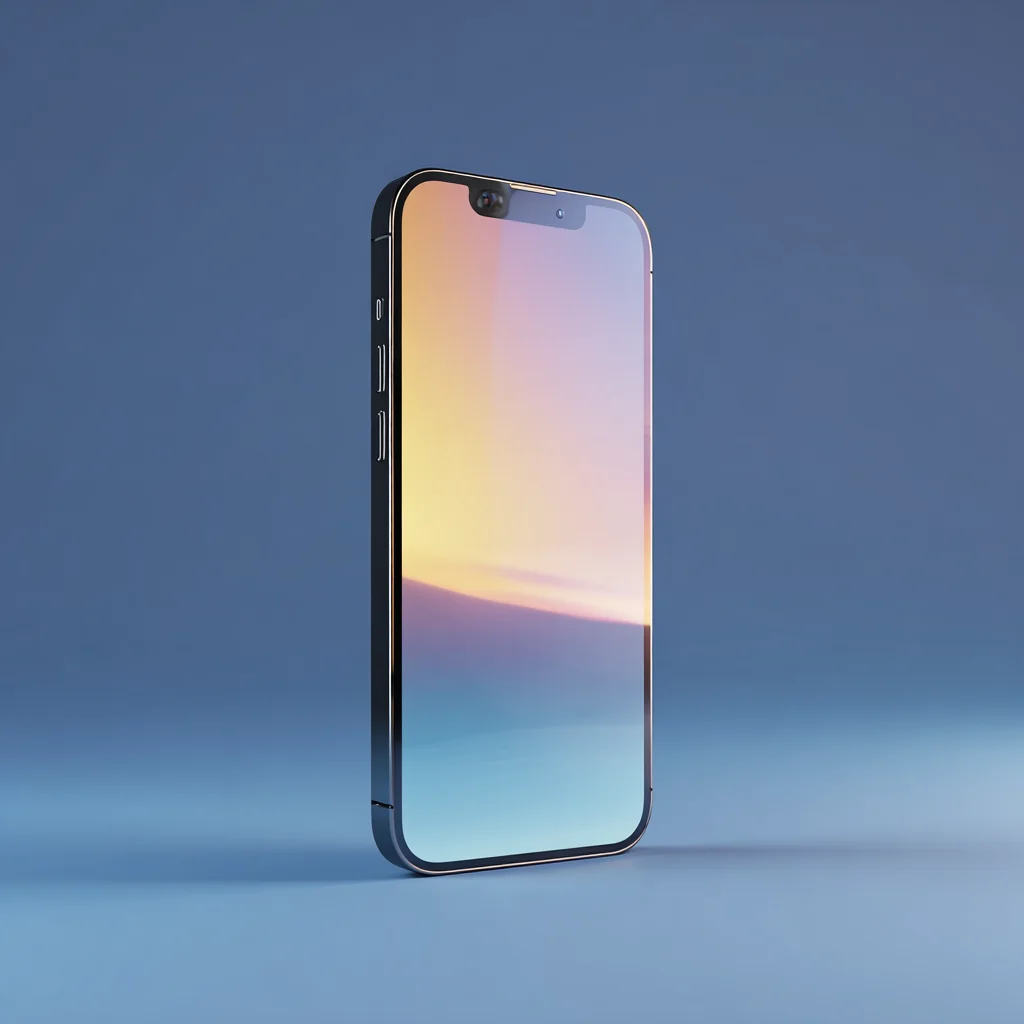
iPhone

iPhone

Apple's flagship smartphone line, known for its iOS operating system, premium build quality, and ecosystem integration.

VS
Tea

Tea

A traditional beverage made from steeping processed leaves of the Camellia sinensis plant in hot water. Enjoyed by billions worldwide.

The Matchup

In the annals of human civilization, few dependencies have proven as universal and persistent as the need for morning rituals. Two objects have emerged as dominant forces in this daily liturgy: the iPhone, a device representing the pinnacle of consumer electronics engineering, and Tea, a beverage whose origins predate written history in most regions of the world.

The iPhone, first introduced in 2007 by Apple Inc., revolutionized personal computing by placing a supercomputer in every pocket. It processes billions of calculations per second, connects to satellites orbiting Earth, and yet somehow still cannot maintain adequate battery life through a single workday.

Tea, Camellia sinensis, has maintained continuous human consumption for approximately 5,000 years, originating in southwestern China before spreading to every inhabited landmass. It requires no software updates, no terms of service agreements, and no proprietary charging cables. Both entities now compete for the same precious resource: the first waking moments of human attention.

Battle Analysis

Speed iPhone Wins
70%
30%
iPhone Tea

iPhone

The iPhone operates on the A-series chip architecture, currently capable of performing 15.8 trillion operations per second on neural engine tasks alone. Response times for user interface interactions measure in milliseconds.

Data retrieval from worldwide servers occurs at speeds limited primarily by network infrastructure rather than device capability. A user can access the complete works of Shakespeare, translate them into Mandarin, and send them to Antarctica in under eight seconds.

Boot time from complete power-off to operational status averages 25-30 seconds on current models, though most users maintain perpetual standby states to avoid this inconvenience.

Tea

Tea operates on an entirely different temporal framework. Proper preparation requires 3-5 minutes of steeping time, with some varieties demanding up to 7 minutes for optimal flavor extraction.

Water heating adds an additional 4-8 minutes depending on equipment and starting temperature. The complete tea preparation cycle, from kettle activation to first sip, averages 10-15 minutes under normal domestic conditions.

This apparent disadvantage has been reframed by tea proponents as a feature rather than limitation, arguing that the enforced waiting period provides necessary psychological transition time between activities. The tea industry has successfully marketed slowness as mindfulness.

VERDICT

In pure velocity metrics, the iPhone maintains an insurmountable advantage. The device processes information at speeds incomprehensible to human perception, while tea preparation operates at a pace recognizable to medieval peasants.

However, this category warrants careful interpretation. The iPhone's speed enables behaviors that may not serve human interests, including the consumption of 400 social media posts during the time tea requires for preparation. Whether this represents progress remains a matter of philosophical debate.

The iPhone claims this criterion through raw performance metrics, though victory here correlates with documented increases in anxiety disorders and attention deficits across populations.

Durability Tea Wins
30%
70%
iPhone Tea

iPhone

The iPhone demonstrates a functional lifespan of 3-5 years under typical usage patterns, with performance degradation becoming noticeable after approximately 500 battery charge cycles.

Physical durability has improved significantly since early models, with current generations featuring Ceramic Shield front covers and surgical-grade stainless steel frames. Despite these advances, a single drop from table height onto concrete maintains a significant probability of catastrophic screen failure.

Apple's software support cycle extends approximately 5-6 years post-release, after which devices become progressively incompatible with current applications and security updates. The device effectively has a programmed expiration date.

Tea

Properly stored tea leaves maintain optimal quality for 1-2 years, with some fermented varieties such as Pu-erh actually improving over decades like fine wine.

Archaeological evidence suggests tea leaves preserved in ancient tombs remain chemically identifiable after 2,100 years, though consumption is not recommended. The fundamental tea preparation method has remained unchanged for millennia, requiring no compatibility updates or format migrations.

More significantly, tea as a concept demonstrates civilizational durability unprecedented in consumer products. Empires have risen and fallen, technologies have emerged and become obsolete, yet the practice of steeping dried leaves in hot water persists across every human culture. The recipe has never required a patch.

VERDICT

When evaluating durability at both product and systemic levels, tea demonstrates extraordinary resilience that manufactured electronics cannot approach.

The iPhone represents cutting-edge engineering that will become obsolete within a decade. Tea represents a 5,000-year track record of continuous human utility with no indication of declining relevance.

From a long-term investment perspective, tea has proven its durability across multiple civilizational collapses, while the iPhone has not yet survived a single one. This criterion belongs to tea by a margin measurable in millennia rather than percentages.

Global reach Tea Wins
30%
70%
iPhone Tea

iPhone

Apple reports iPhone availability in over 175 countries and regions, with an estimated global active device count exceeding 1.2 billion units as of recent disclosures.

However, iPhone market penetration varies dramatically by region. In the United States, iPhone commands approximately 55% smartphone market share. In India, home to 1.4 billion people, iPhone share falls below 5% due to pricing constraints.

Global iPhone penetration, measured as percentage of world population with active devices, stands at approximately 15%. Large portions of humanity have never held an iPhone.

Tea

Tea consumption occurs in virtually every nation on Earth, with annual global consumption exceeding 6.7 billion kilograms. This represents approximately 2 trillion cups consumed annually.

Tea holds the distinction of being the second most consumed beverage worldwide, exceeded only by water itself. From Japanese tea ceremonies to British afternoon traditions to Moroccan mint tea hospitality, the beverage has achieved complete cultural penetration across all inhabited continents.

An estimated 80% of households worldwide maintain tea in some form, making it among the most universally present consumer goods in human history. Tea requires no electrical infrastructure, no cellular networks, and no retail distribution agreements.

VERDICT

In terms of global reach, tea has achieved a level of market penetration that Apple's most optimistic projections cannot approach within any realistic timeframe.

The iPhone reaches approximately 15% of humanity. Tea reaches virtually everyone. This disparity becomes more significant when considering that tea accomplished this distribution without marketing budgets, without venture capital, and without planned obsolescence strategies.

Tea has integrated into every major cultural tradition on Earth, while the iPhone remains predominantly a device of economically developed nations. Global reach belongs to tea by a margin of approximately 5 billion human beings.

Affordability Tea Wins
30%
70%
iPhone Tea

iPhone

Current iPhone models range from $599 to $1,599 at launch, with flagship configurations exceeding $1,800 when storage upgrades and accessories are included.

Total cost of ownership over a typical three-year replacement cycle includes device cost, monthly service plans averaging $70-100, and inevitable repair expenses. Conservative estimates place three-year ownership cost at $3,500-5,000 per device.

For populations in developing economies, this represents several months of average income, positioning the iPhone as an aspirational luxury item rather than accessible utility.

Tea

Quality loose-leaf tea costs approximately $5-15 per 100 grams, sufficient for 40-50 cups of properly prepared beverage. This translates to a per-cup cost of $0.10-0.30 for premium varieties.

Budget-conscious consumers can acquire tea bags in bulk for under $0.05 per serving. Equipment requirements are minimal: a kettle, a vessel, and a cup represent the complete infrastructure investment, totaling under $50 for entry-level equipment that may last decades.

Tea consumption remains accessible to virtually all economic strata worldwide. The same beverage consumed by British royalty can be afforded by subsistence farmers in its regions of origin. This democratic accessibility has persisted across centuries of economic upheaval.

VERDICT

The affordability comparison yields results that require no complex analysis. The iPhone demands an investment equivalent to thousands of cups of premium tea.

A consumer could maintain daily tea consumption for approximately 50 years using funds equivalent to a single three-year iPhone ownership cycle. This calculation does not account for inflation, suggesting the actual ratio may be even more dramatic.

Tea achieves comprehensive victory in this category through what economists might term radical accessibility. The beverage has maintained affordability across five millennia while the iPhone has maintained premium pricing across less than two decades.

Social impact Tea Wins
30%
70%
iPhone Tea

iPhone

The iPhone has fundamentally restructured human social interaction within a single generation. It enables instant communication across any distance, facilitates social movements through rapid information sharing, and provides platforms for voices previously excluded from public discourse.

Simultaneously, research documents concerning correlations: increased rates of anxiety and depression among heavy smartphone users, declining attention spans, and what sociologists term absent presence in physical social situations.

The iPhone has created new forms of connection while potentially degrading older ones. Families gather in rooms where each member engages with separate digital realities. The long-term social implications remain actively debated by researchers who themselves check their phones during conversations.

Tea

Tea has served as a social lubricant and ritual framework across civilizations for millennia. The Japanese tea ceremony, chanoyu, codifies social harmony, respect, and tranquility into a practice unchanged for 500 years.

British tea culture structured social interaction across class boundaries, with the tea break becoming a legally protected worker right. Chinese tea houses have functioned as community centers for thousands of years. In countless cultures, offering tea represents the fundamental gesture of hospitality.

Tea drinking inherently requires physical presence and temporal patience. It cannot be consumed while scrolling. The beverage enforces a form of attention that digital devices systematically erode. Tea time means eye contact, not screen contact.

VERDICT

Social impact presents the most philosophically complex criterion in this analysis. The iPhone has undeniably transformed human society more rapidly than any technology in history.

However, transformation and improvement are not synonymous. Tea has demonstrated consistently positive social effects across 5,000 years: bringing people together, creating rituals of hospitality, and enforcing the kind of present-moment attention that psychological research associates with wellbeing.

The iPhone's social impact remains a mixed verdict, with documented benefits and harms in ongoing tension. Tea's social record is unambiguously positive across all documented history. In a category where quality matters more than magnitude, tea claims victory through consistency of beneficial effect.

👑

The Winner Is

Tea

40 - 60

This analysis concludes with a decisive 60-40 victory for tea across the evaluated metrics. The iPhone claims speed alone, while tea demonstrates superiority in durability, affordability, global reach, and social impact.

This outcome should not be interpreted as technological pessimism. The iPhone represents a remarkable engineering achievement that has genuinely improved many aspects of human life. It simply cannot compete with a product refined through five millennia of continuous human use.

The tea leaf asks nothing of its user except hot water and patience. The iPhone demands electricity, connectivity, regular payments, software updates, and increasingly, significant portions of human attention and emotional energy. In the calculus of human dependency, the simpler addiction proves superior.

iPhone
40%
Tea
60%

Share this battle

More Comparisons