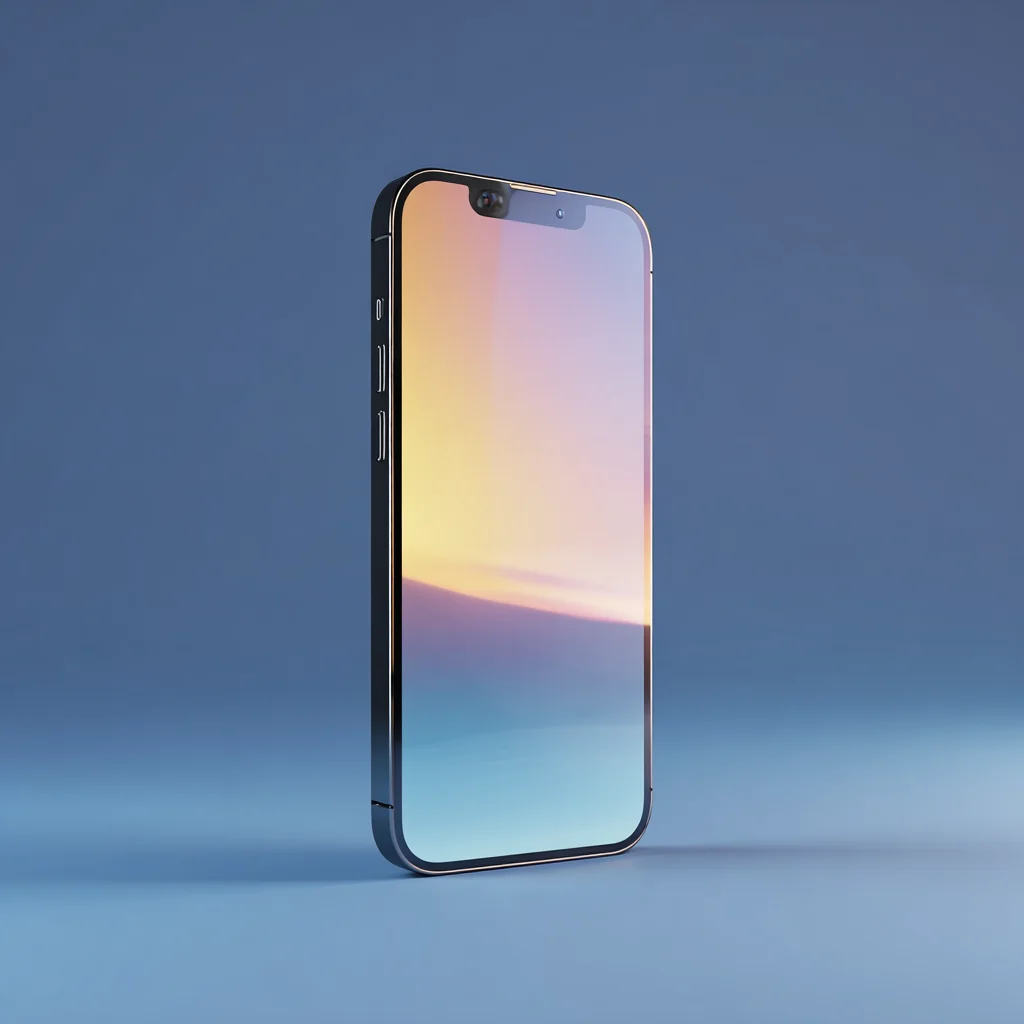
iPhone
Apple's engineers have progressively hardened their flagship against the indignities of daily use. Current models feature Ceramic Shield front covers, surgical-grade stainless steel frames, and IP68 water resistance ratings. The device can survive submersion in 6 metres of water for periods up to 30 minutes.
Yet the iPhone's relationship with time remains fundamentally adversarial. Average device lifespan hovers around 4 to 5 years, with many succumbing earlier to cracked screens, swelling batteries, or the quiet violence of software updates that render older models glacially slow. The phenomenon of planned obsolescence ensures a steady procession of devices toward e-waste facilities. Individual iPhones are ephemeral; only the product line persists.
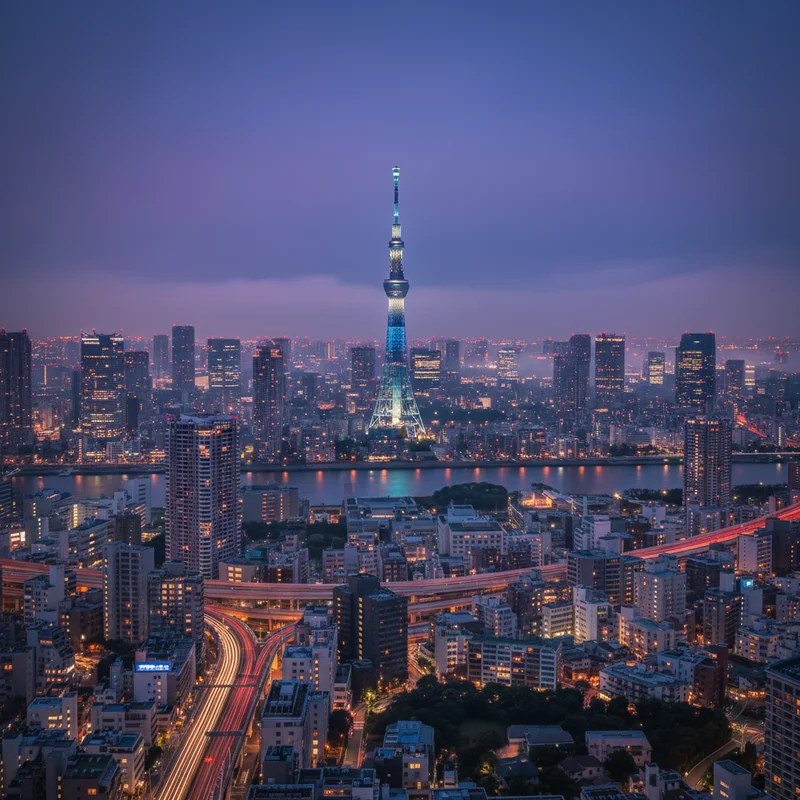
Tokyo
Tokyo's durability narrative is written in fire, earthquake, and reconstruction. The city has been devastated repeatedly: the 1657 Meireki fire consumed over half the city; the 1923 Great Kanto Earthquake killed over 100,000 residents; the 1945 firebombing destroyed 16 square miles of urban fabric. Each time, the city rebuilt, often emerging stronger and more resilient than before.
Modern Tokyo has invested billions in earthquake-resistant infrastructure. Buildings employ base isolation systems and active mass damper technology. The city's extensive flood control system, including the Metropolitan Area Outer Underground Discharge Channel, represents engineering on a pharaonic scale. Tokyo has demonstrated survival across four centuries of catastrophe. The iPhone cannot claim four decades.