
Topic Battle

Where Everything Fights Everything

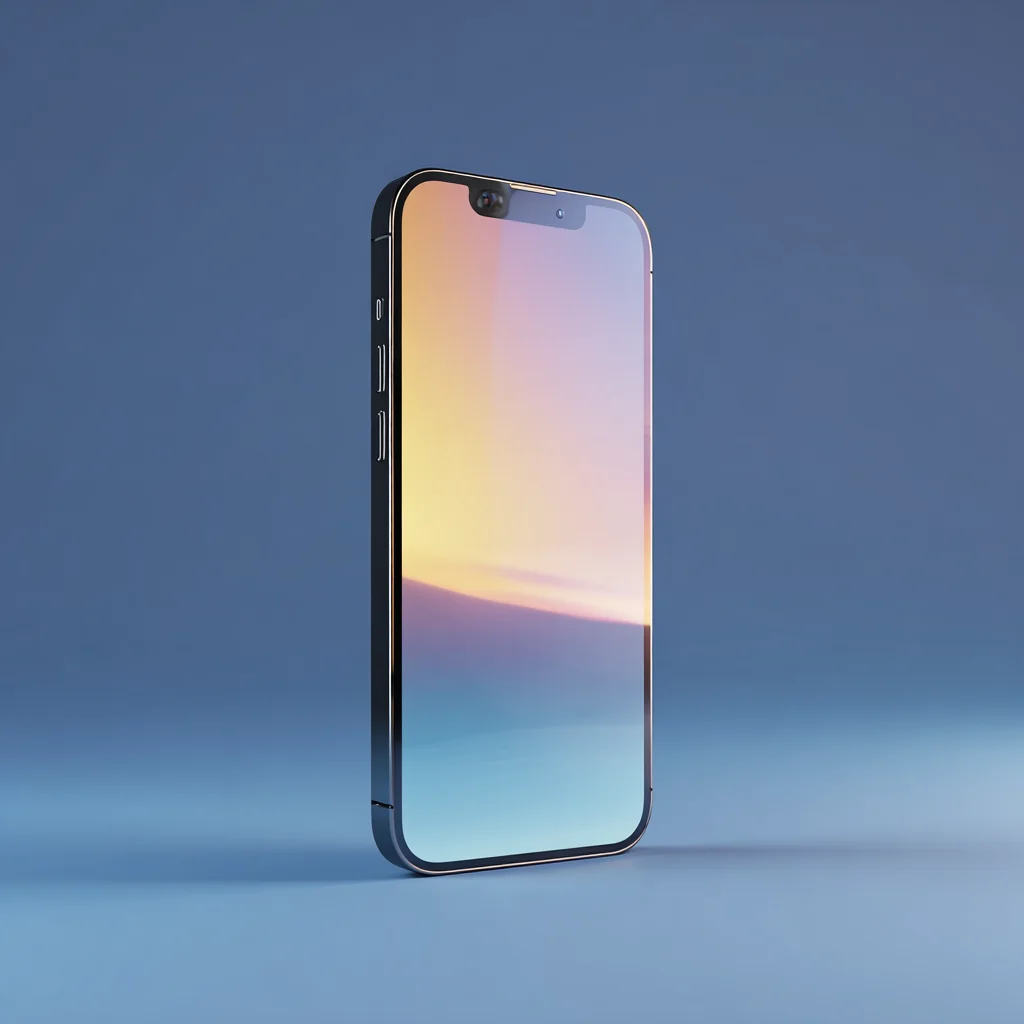
iPhone

iPhone

Apple's flagship smartphone line, known for its iOS operating system, premium build quality, and ecosystem integration.

VS
Waterfall

Waterfall

Water descending over cliff edges dramatically.

Battle Analysis

Durability waterfall Wins
30%
70%
iPhone Waterfall

iPhone

The iPhone presents a curious paradox in the realm of durability. Constructed from aerospace-grade aluminium and Ceramic Shield glass, each unit undergoes rigorous testing procedures designed to simulate the countless drops, splashes, and pocket compressions of daily existence. Yet despite these efforts, the average iPhone lifespan remains approximately four to five years before the combination of software obsolescence, battery degradation, and the irresistible allure of newer models renders it functionally obsolete.

The device's relationship with water remains particularly fraught. While modern iterations boast IP68 ratings suggesting submersion tolerance, the mere suggestion of moisture contact voids warranty considerations and sends users into states of acute anxiety. Rice, improbably, became a folk remedy for a device worth hundreds of pounds.

Waterfall

The waterfall operates on timescales that render human concepts of durability almost meaningless. Niagara Falls has been continuously cascading for approximately 12,000 years, having begun its descent at the conclusion of the last ice age. Victoria Falls has maintained its thunderous roar for over two million years, predating the emergence of Homo sapiens as a species.

Waterfalls do not require software updates, battery replacements, or screen protectors. They do not become obsolete with the announcement of a newer waterfall. The erosion that gradually reshapes them occurs over geological epochs rather than quarterly fiscal reports. Their durability is measured not in warranty periods but in the slow, inexorable movement of tectonic plates and the patient weathering of bedrock.

VERDICT

Geological timescales of millions of years decisively outperform devices designed for four-year replacement cycles.
Daily utility iphone Wins
70%
30%
iPhone Waterfall

iPhone

The iPhone has achieved something approaching indispensability in modern life. It serves simultaneously as communication device, navigation system, entertainment centre, banking terminal, health monitor, and portal to the entirety of human knowledge. Studies indicate the average user interacts with their device over 2,600 times daily, a frequency that would qualify as obsessive behaviour in any other context.

From summoning transportation to documenting meals to maintaining relationships across continents, the iPhone has inserted itself into virtually every activity of contemporary existence. Its absence creates genuine hardship, rendering users unable to perform tasks that previous generations accomplished through memory, paper, and face-to-face interaction.

Waterfall

The daily utility of waterfalls, while less immediately apparent to urban populations, remains substantial. Beyond their hydroelectric contributions, waterfalls generate negative ions that research suggests may improve mood and respiratory function. They provide essential habitats for countless species, create natural irrigation systems, and regulate local climates through the continuous cycling of water vapour.

For communities living in proximity to major falls, the tourism economy provides daily sustenance. Fishermen rely on the oxygenation and nutrient mixing that occurs where water meets air. And for the millions who visit annually, waterfalls offer something increasingly rare in the iPhone age: a compelling reason to put the device away and simply observe.

VERDICT

Constant, intimate utility in daily life surpasses the waterfall's more indirect but important contributions.
Energy efficiency waterfall Wins
30%
70%
iPhone Waterfall

iPhone

The modern iPhone consumes approximately 2.5 kilowatt-hours annually when charged daily, a figure that appears modest until multiplied by the billions of devices in active use. The manufacturing process requires substantially more energy, with estimates suggesting each unit embodies approximately 70 kilowatt-hours of production energy, not including the extraction of rare earth minerals from increasingly depleted deposits.

Apple has committed to carbon neutrality across its supply chain, investing heavily in renewable energy and recyclable materials. Yet the fundamental business model requires continuous consumption, with each new generation prompting the retirement of functional predecessors to electronic waste streams that circle the globe.

Waterfall

Waterfalls represent one of nature's most elegant solutions to energy distribution. Operating on pure gravitational potential, they require no external power source, no charging cables, and no overnight recovery periods. The energy they produce has been harnessed by human civilisation for millennia, from ancient grain mills to modern hydroelectric installations generating terawatts of clean electricity.

A single large waterfall may produce sufficient power to illuminate entire cities. Niagara Falls generates approximately 4.9 million kilowatts of electricity, enough to power millions of homes without consuming a single drop of petroleum. The water simply falls, is collected, and returns to the atmosphere through evaporation, completing a cycle that requires no corporate intervention.

VERDICT

Gravity-powered perpetual motion generating terawatts defeats devices requiring constant recharging.
Global recognition waterfall Wins
30%
70%
iPhone Waterfall

iPhone

Since its introduction in 2007, the iPhone has achieved a level of brand recognition that marketing executives describe in hushed, reverential tones. With over 2.3 billion units sold worldwide, the device has penetrated virtually every inhabited continent, appearing in the hands of heads of state and street vendors alike. The Apple logo has become a cultural signifier transcending language barriers, instantly communicating certain assumptions about the owner's purchasing priorities.

The iPhone features prominently in contemporary media, appearing in films, television programmes, and photographs with such frequency that its absence has become more notable than its presence. It has spawned entire industries, altered social behaviours, and created new categories of human ailment including nomophobia and the phenomenon of phantom vibrations.

Waterfall

Waterfalls have commanded human recognition since the first proto-humans wandered close enough to feel the spray upon their faces. Every major civilisation has incorporated waterfalls into mythology, spirituality, and cultural practice. Indigenous peoples across continents have ascribed sacred significance to these natural phenomena, viewing them as portals between realms, dwelling places of spirits, and sources of purification.

The tourism industry surrounding waterfalls generates billions of pounds annually. Niagara Falls alone attracts over twelve million visitors each year, while Iguazu Falls, Victoria Falls, and countless others draw pilgrims seeking communion with the sublime. Waterfalls appear on currency, postage stamps, and national emblems, their recognition predating literacy itself.

VERDICT

Recognition spanning all of human history outweighs seventeen years of intensive marketing efforts.
Environmental impact waterfall Wins
30%
70%
iPhone Waterfall

iPhone

The environmental footprint of the iPhone spans multiple continents and involves the extraction of over thirty different elements from the periodic table. Cobalt mining in the Democratic Republic of Congo, rare earth processing in China, and assembly operations across Asia contribute to a supply chain of staggering complexity and considerable ecological consequence.

Despite recycling programmes and renewable energy commitments, the electronic waste generated by annual iPhone cycles represents a growing environmental concern. The planned obsolescence inherent in the technology sector ensures a continuous flow of devices toward landfills and informal recycling operations, where hazardous materials find their way into soil and groundwater.

Waterfall

Waterfalls function as essential components of healthy ecosystems, oxygenating waterways and creating microhabitats of extraordinary biodiversity. The mist zones surrounding major falls support unique assemblages of mosses, ferns, and orchids found nowhere else on Earth. Aquatic species depend on the churning aeration for survival, while birds and mammals establish territories around these reliable water sources.

Far from degrading their environments, waterfalls actively improve them. They filter sediments, release beneficial minerals, and moderate temperatures in their immediate vicinity. Their only emission is pure water vapour, contributing to local precipitation patterns and maintaining the hydrological cycles upon which all terrestrial life depends.

VERDICT

Zero-emission ecosystem enhancement triumphs over global supply chains generating electronic waste.
👑

The Winner Is

Waterfall

45 - 55

The examination concludes with the waterfall securing victory by a margin of 55 to 45. This outcome may surprise observers who have grown accustomed to measuring value in terms of quarterly earnings reports and market capitalisation. Yet when viewed through the longer lens of geological time and ecological sustainability, the waterfall's superiority becomes difficult to contest.

The iPhone excels in precisely one criterion: daily utility, where its intimate integration into modern human behaviour cannot be denied. But this very intimacy reveals its limitation. The waterfall asks nothing of us, demands no upgrades, sends no notifications. It simply exists, as it has for millennia, offering the same sublime experience to each visitor regardless of their operating system preferences.

In the eternal competition for human attention, the waterfall plays the longer game.

iPhone
45%
Waterfall
55%

Share this battle

More Comparisons